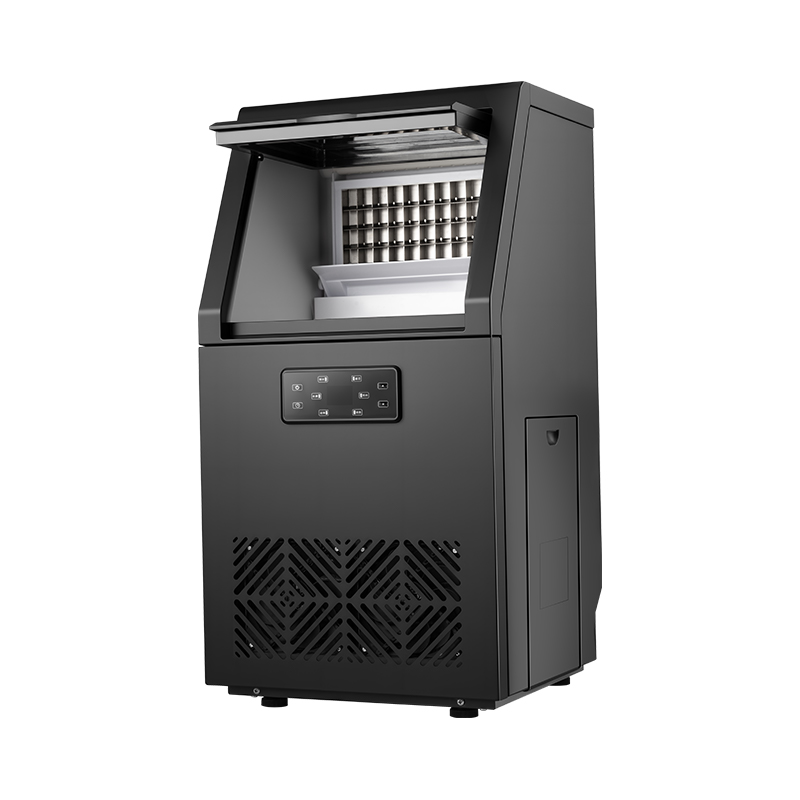
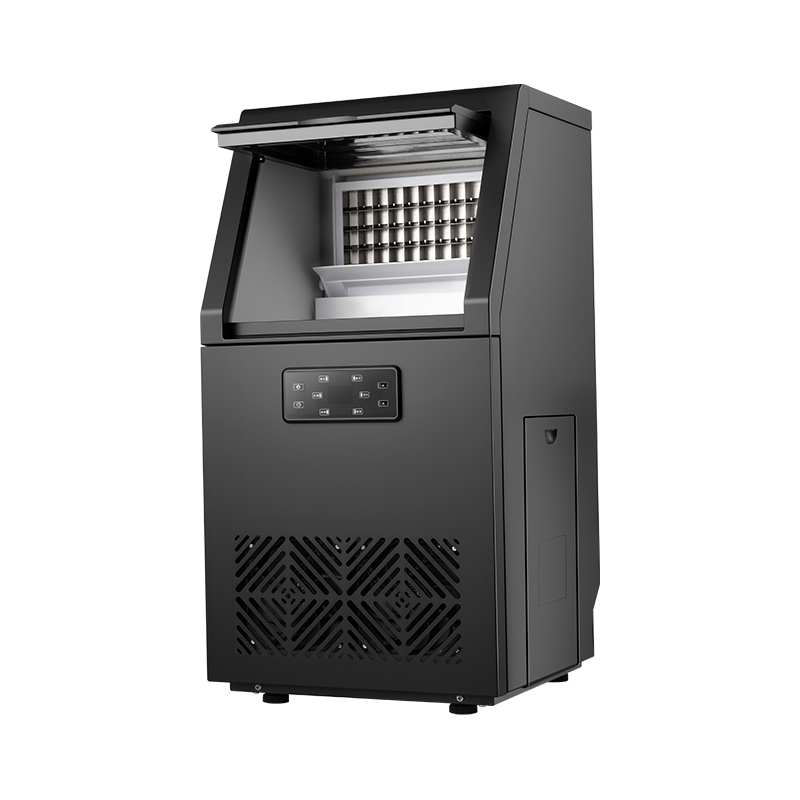
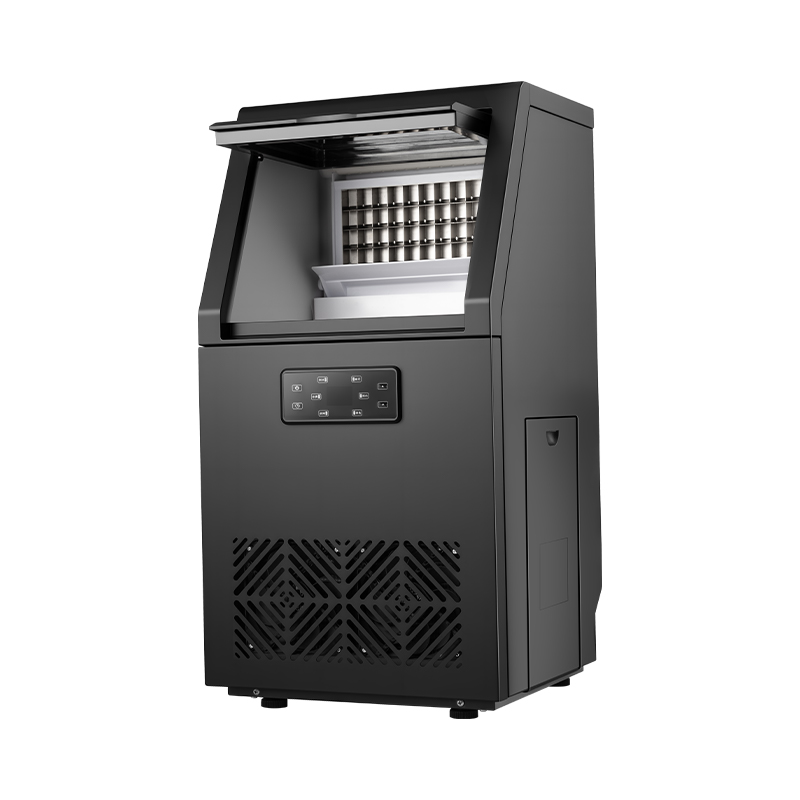
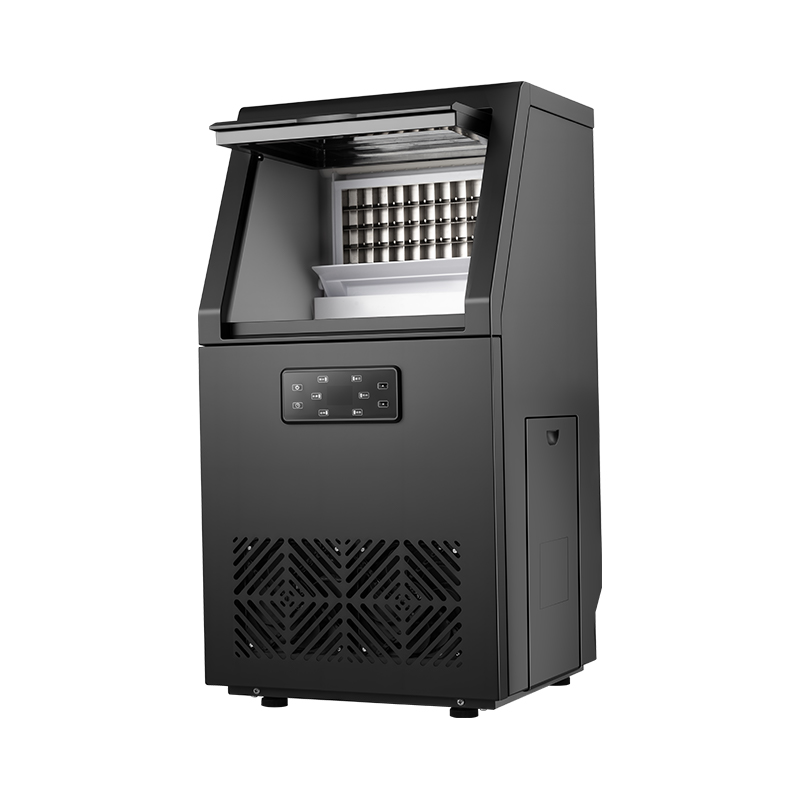
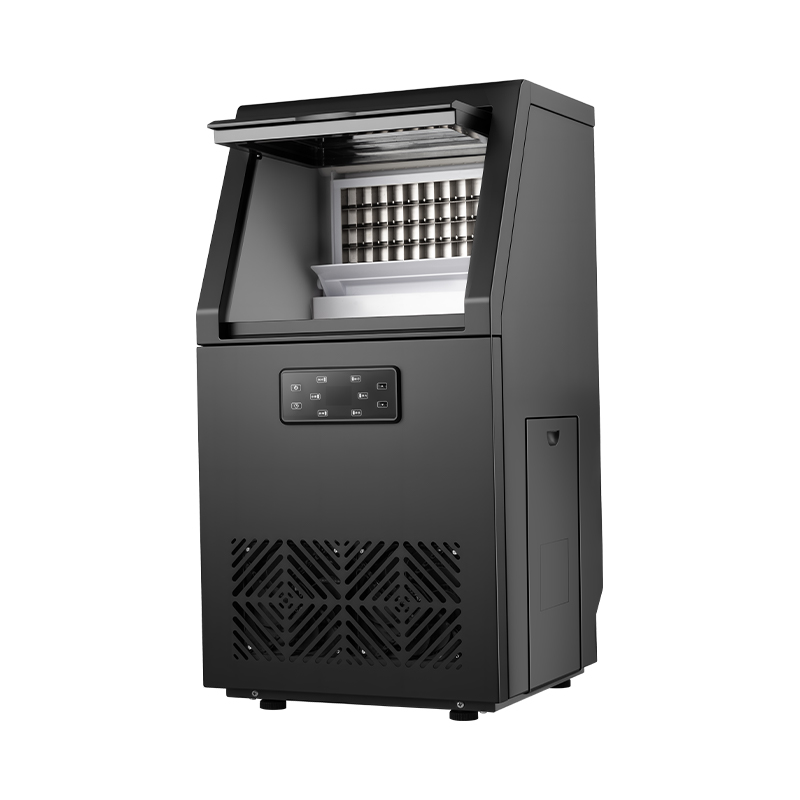
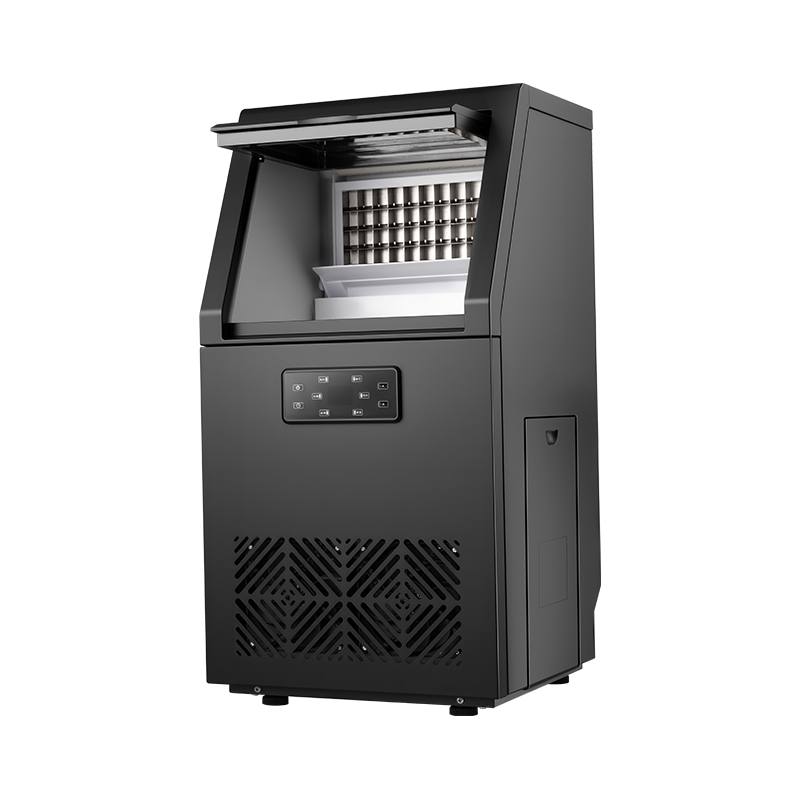
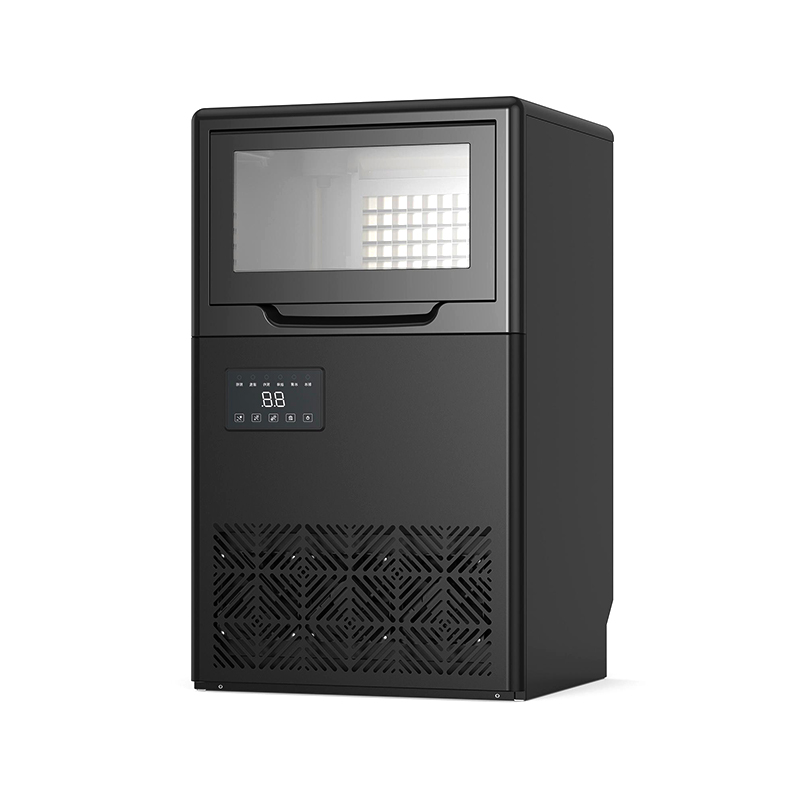
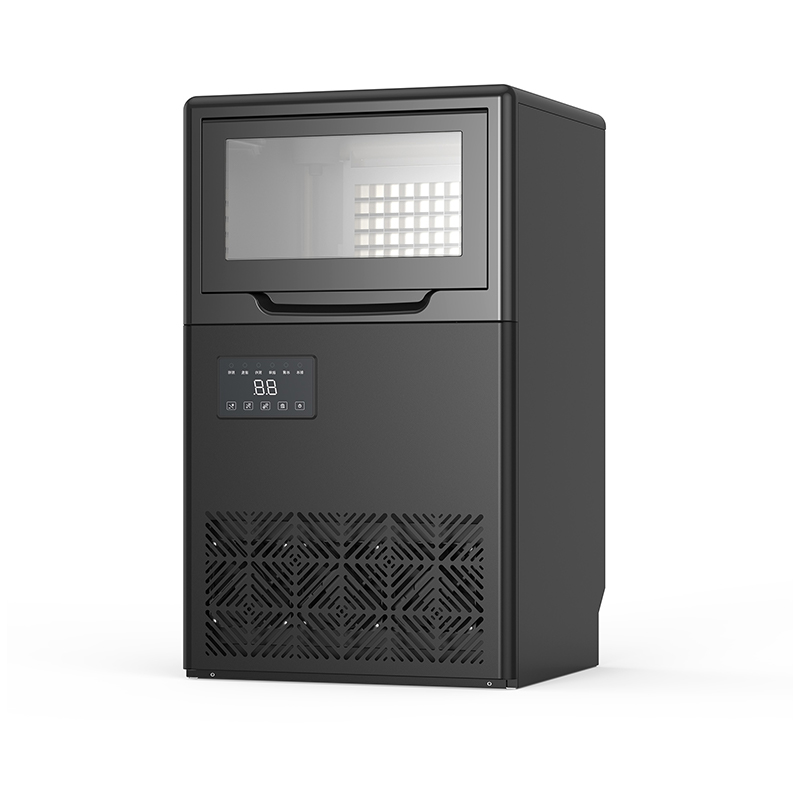
Cube Ice Maker Cube Ice Maker Custom
Home / Products / Cube Ice Maker

I. Product Definition and Overview
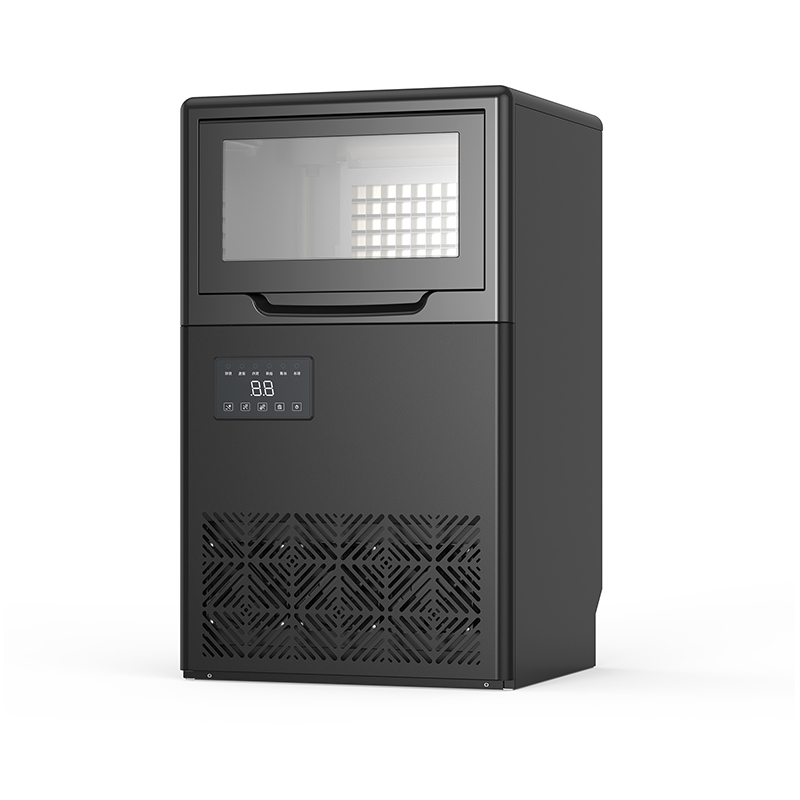
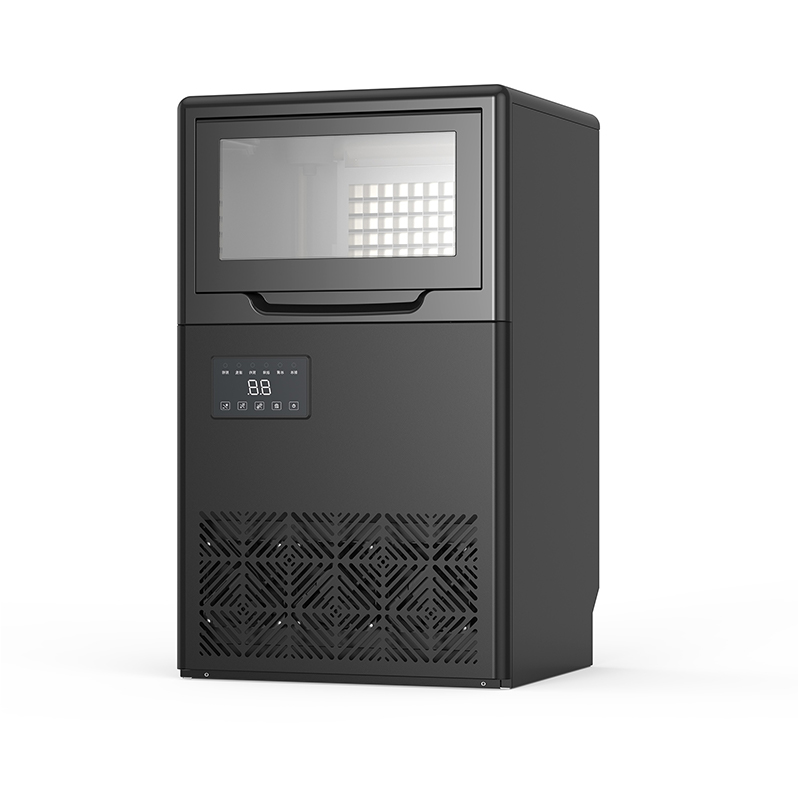
A Cube Ice Maker is an automated device that highly integrates the ice-making system, ice storage bin, and condensing system into a single, unified unit. Its core characteristic is the "all-in-one" integration of ice production and storage; it requires no external connection to a separate ice storage cabinet, features a compact structure, and primarily produces regular, transparent, and high-hardness square ice cubes. This integrated design philosophy has established it as the most mainstream ice-making solution across the catering, commercial, and light industrial sectors.
II. Application Scenarios
Due to its rapid ice production speed, high ice purity, and minimal spatial footprint, the integrated cube ice machine is widely utilized in various commercial settings.
(1) Catering and Beverage Industry: This constitutes its largest application market. Whether in bubble tea shops, coffee houses, or bars, high-quality square ice serves as the fundamental ingredient for crafting beverages. These ice cubes are crystal-clear and melt slowly, ensuring that the flavor and concentration of drinks are not rapidly diluted—making them particularly suitable for use with whiskey, fruit juices, iced coffee, and iced water.
(2) Hospitality and Baking Industries: Hotel room service and buffet restaurants require large quantities of ice for guest use; meanwhile, in the baking sector, ice is frequently employed to cool dough or for the refrigerated display of ingredients.
(3) Medical and Laboratory Settings: Certain medical institutions and laboratories also utilize small-scale cube ice machines for specimen refrigeration, physical cooling therapies, or the low-temperature preservation of biological reagents. These applications demand equipment featuring high-quality interior lining materials and antimicrobial properties.
(4) Food Processing and Preservation: In seafood stalls or food processing workshops, square ice is used for the chilled display of ingredients (such as fresh produce and seafood). This method not only preserves the visual luster of the ingredients but also ensures that their quality remains unaffected by melting water.
III. Technical Features of Production
(1) Core Refrigeration System: Typically employs reputable brand-name compressors (e.g., Wanbao compressors) and optimizes refrigerant usage (utilizing the eco-friendly R290 refrigerant) to ensure both the speed and stability of ice production. The evaporator (ice grid) is frequently constructed from nickel-plated red copper or thickened alloy materials to enhance thermal conductivity and corrosion resistance.
(2) Intelligent Control System: Features built-in microcomputer-based "fuzzy logic" control technology, enabling fully automated operation across the entire cycle—including water supply, ice production, and ice harvesting (de-icing). The unit features "automatic shut-off when full" and "automatic restart upon ice removal" functions; the machine automatically senses when the ice storage bin is full or when ice has been retrieved, adjusting its operating status accordingly to prevent unnecessary energy consumption.
IV. Core Advantages
Compared to split-system ice makers or units producing other ice types (such as flake ice or bullet ice), the integrated square-ice machine offers the following distinct advantages:
(1) Efficient Space Utilization: By combining ice production and storage into a single unit, it eliminates the need for a separate ice storage bin, making it an ideal solution for commercial kitchens or bars where space is at a premium.
(2) Superior Ice Quality: Utilizing next-generation ice-making technology, the machine effectively expels impurities and air bubbles from the water, producing square ice cubes characterized by high hardness, exceptional clarity, and sharp, distinct edges. This type of ice offers excellent visual appeal in beverages and, due to its high density, melts more slowly.
(3) Energy- and Water-Saving Design: Through optimized water supply logic and thickened thermal insulation, the machine consumes less electricity while maintaining low temperatures. Certain models further enhance water efficiency by utilizing water dilution techniques and computer-controlled water supply systems.
(4) Convenient Installation and Maintenance: The integrated design simplifies the on-site installation process; the unit becomes operational simply by connecting it to a power source and the water inlet/outlet lines. Furthermore, its modular structure facilitates easier routine cleaning and troubleshooting.

Company
Cixi City Sharmoon Electric Co., Ltd.
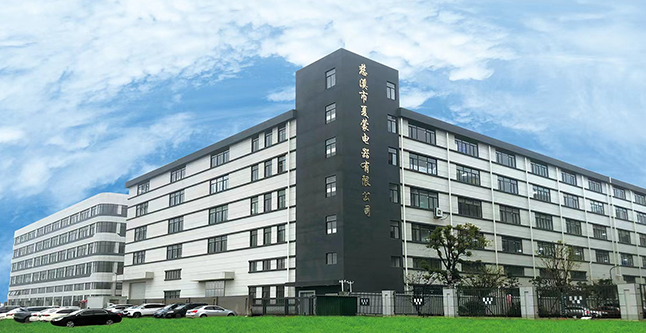
As OEM commercial cube ice maker for restaurants manufacturers and ODM large cube ice machine factory, Cixi City Sharmoon Electric Co., Ltd, founded in 2003, is a modern high-tech enterprise integrating R&D, manufacturing, and service. Located in Cixi, Zhejiang Province, and supported by more than 260 employees, Sharmoon has focused on the development and production of commercial ice makers, while also covering water filter pitchers, faucet water filters, pet water fountains, instant tea makers, and other related categories. We provide professional OEM/ODM manufacturing solutions for customers worldwide.
Sharmoon independently develops automated production lines and core equipment to reduce labor dependence and improve manufacturing efficiency. We continue to invest in product development and technical upgrades, especially in commercial ice makers and other core categories, launching no fewer than 30 new products every year.
Certificate Of Honor
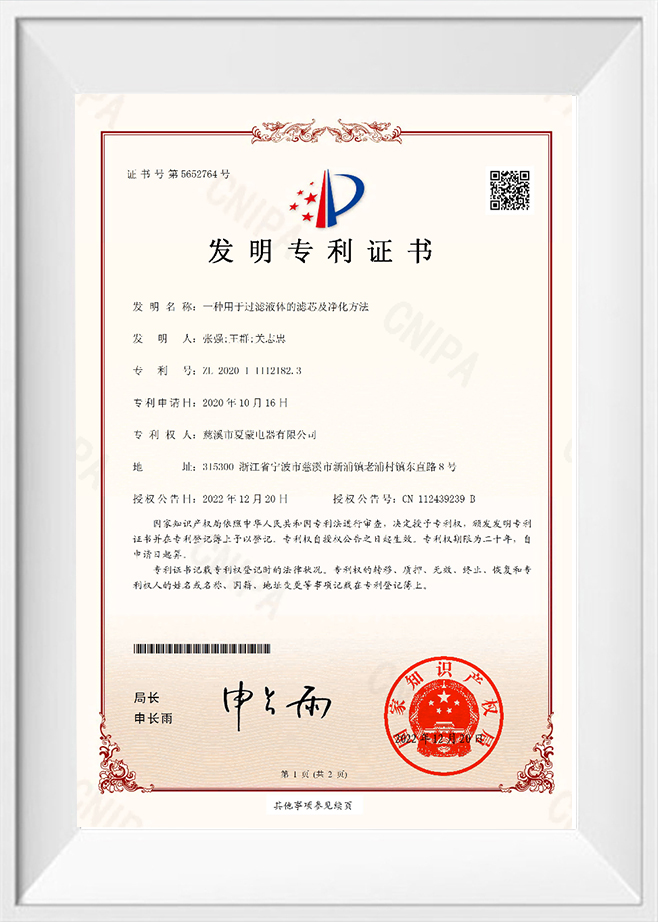
  • Certificate of Invention
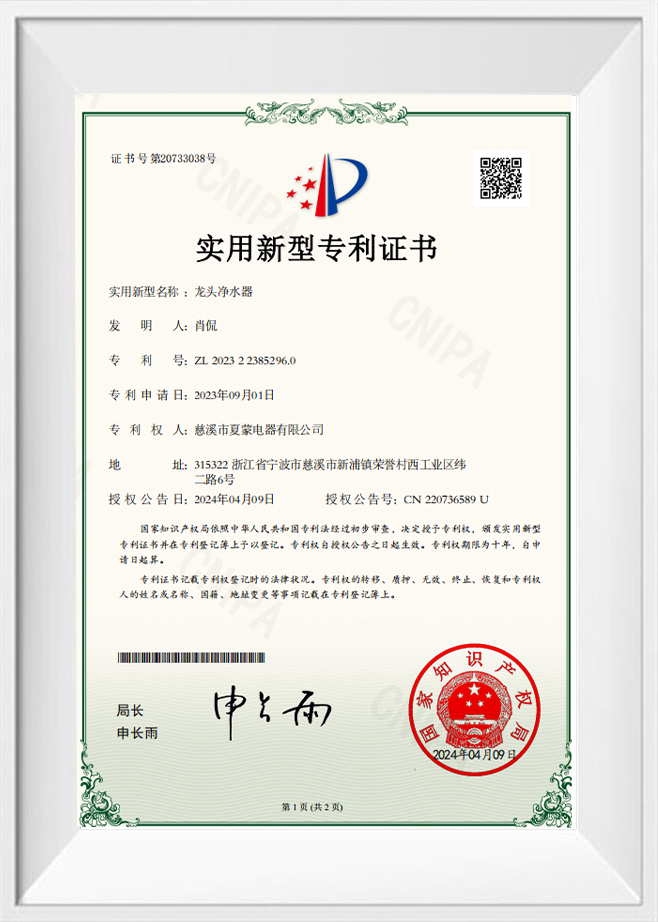
  • Utility Model Patent Certificate
News & Share
Cube Ice Maker Industry knowledge

A cube ice maker is a core piece of equipment in any commercial beverage or food service operation. Cube ice melts slowly, keeps drinks cold without rapid dilution, and delivers a clean visual presentation that other ice types cannot match. For restaurants, hotels, and catering businesses sourcing a commercial ice cube machine, understanding how these machines work — and how to select and maintain them — is essential to protecting both drink quality and equipment investment.

How a Commercial Ice Cube Machine Works

A commercial ice cube maker machine operates through a refrigeration cycle combined with a water distribution system. The process follows four stages: water fills the reservoir and is pumped over an evaporator; the refrigeration system gradually freezes the water into dense, clear cubes; a brief warm flush releases the cubes from the mold surface; and harvested cubes drop into an insulated storage bin. The machine then automatically restarts the next cycle. Slow, layered freezing is what produces the characteristic clarity and density of cube ice — a quality indicator buyers should look for when evaluating any ice cube machine.

Key Factors When Selecting a Commercial Ice Cube Maker Machine

Matching equipment to actual operational demand is more important than simply choosing the highest-capacity unit. The following factors determine whether a machine suits your business:

  • Daily output capacity: Estimate peak demand and select a machine rated 20–25% above that figure to handle high-traffic periods and warm ambient conditions.
  • Condenser type: Air-cooled units suit most commercial kitchens; water-cooled models perform better in poorly ventilated spaces but consume more water per kg of ice produced.
  • Water filtration: Hard water causes scale buildup on evaporator surfaces, reducing output and shortening machine lifespan. An inline filter is essential in most installations.
  • Cube size options: Full cubes suit spirits and premium cocktails; half cubes work well for high-volume soft drink service. Some commercial ice cube machines support interchangeable mold formats.

As an OEM commercial cube ice maker manufacturer and ODM large cube ice machine factory, Cixi City Sharmoon Electric Co., Ltd has been developing and producing commercial ice makers since 2003. With independently developed automated production lines and no fewer than 30 new products launched annually, Sharmoon provides buyers with a stable, scalable sourcing option backed by full OEM/ODM customization support.

Frequently Asked Questions

Q1: Why is my cube ice maker producing cloudy or undersized cubes?

Cloudy or small cubes are most commonly caused by scale buildup on the evaporator reducing heat transfer, a clogged water inlet filter restricting flow, or ambient temperatures exceeding the machine's rated operating range. Regular descaling every six months and timely filter replacement resolve the majority of these cases.

Q2: How often should a commercial ice cube machine be cleaned?

A full descaling and sanitizing cycle is recommended every six months for most commercial environments — more frequently in hard water areas or high-volume operations. The condenser filter on air-cooled units should be cleaned monthly to prevent airflow restriction, which raises operating temperatures and reduces ice output.

Q3: What certifications should a commercial ice cube maker machine have for export markets?

For North American markets, look for NSF/ANSI 12 (food equipment safety) and ETL or UL listing (electrical safety). European buyers should confirm CE marking and RoHS compliance. OEM and ODM suppliers with established international distribution experience typically hold multiple regional certifications — always request documentation during the sourcing process.

Q4: Is OEM or ODM customization available for commercial ice cube makers?

Yes. Distributors, hospitality groups, and equipment companies frequently source ice cube machines through OEM or ODM arrangements to build private-label product lines or meet market-specific requirements. Customization options typically include output capacity, cube size configuration, control panel design, branding, and export packaging. Confirming that a supplier operates automated production lines is important for maintaining quality consistency across large order volumes.