Industry News Industry News
HOME / News & Share / Industry News / How Is Cube Ice Made: Inside the Cube Ice Maker Process

How Is Cube Ice Made: Inside the Cube Ice Maker Process


Direct Answer: How Cube Ice Is Actually Made

Cube ice is made by circulating water over a refrigerated vertical grid inside a cube ice maker, allowing thin layers of ice to freeze gradually until a solid, clear cube forms, after which a brief hot gas defrost cycle releases the cubes into a storage bin. This continuous freeze and harvest cycle, typically lasting between 15 and 25 minutes per batch, is what gives commercial cube ice its dense structure and slow melting characteristics compared to ice frozen in a single solid block.

  • Restaurants and BarsFull size or half size cubes from a cube ice maker offer slow melt and clean presentation
  • Healthcare FacilitiesSmaller cube sizes support patient comfort and beverage service needs
  • High Volume VenuesModular cube ice maker systems scale production for peak demand periods

The Core Process Behind Every Cube Ice Maker

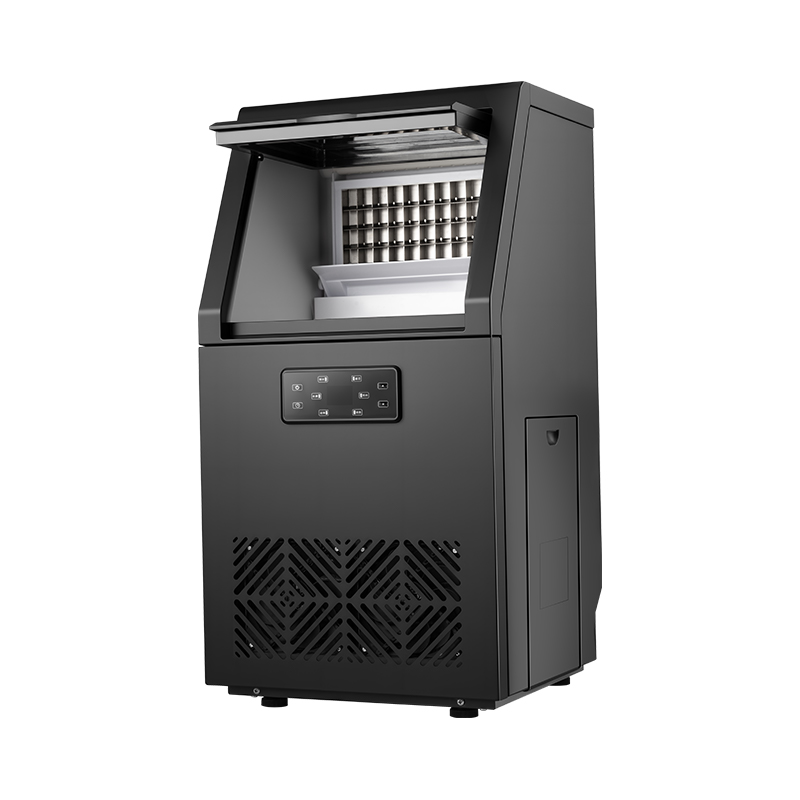
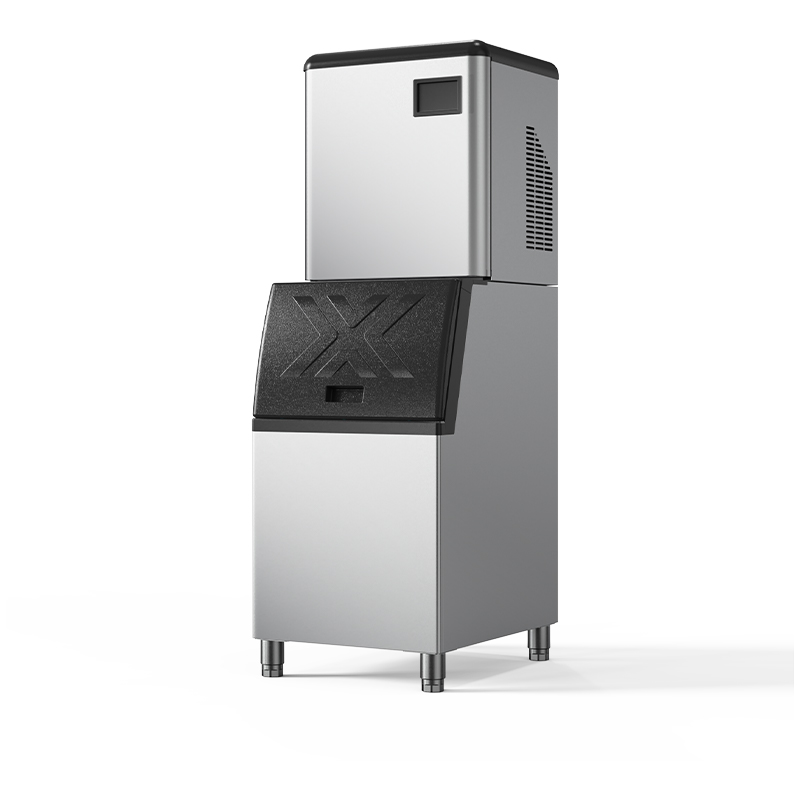
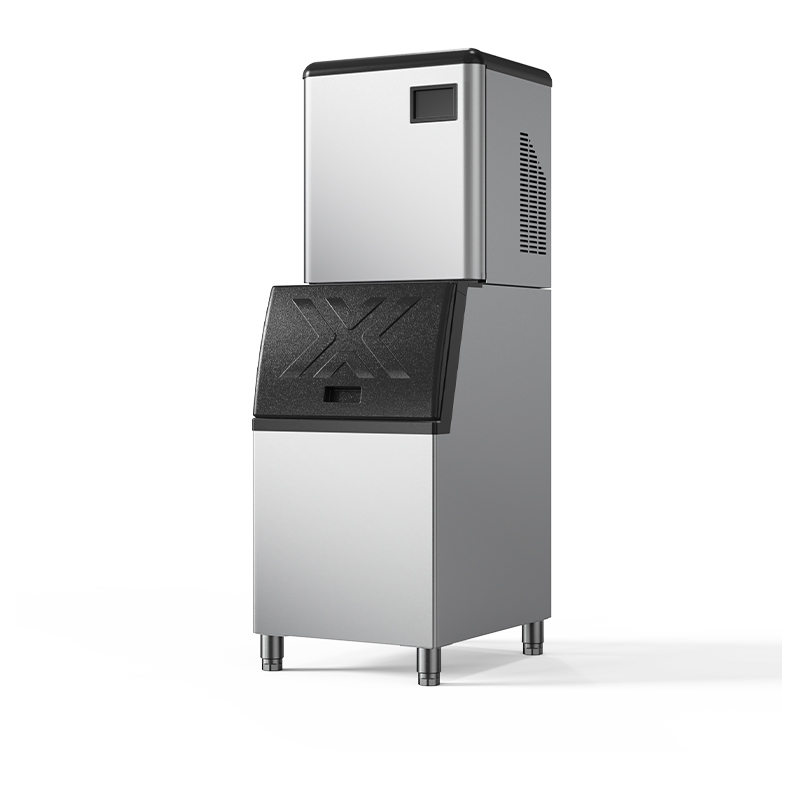
A cube ice maker relies on a refrigeration cycle nearly identical to a standard air conditioning system, using a compressor, condenser, expansion valve, and evaporator to remove heat from water and convert it into ice. What distinguishes a cube ice maker from other ice production methods is the vertical evaporator plate design, which allows water to flow continuously over a grid of individual cube molds during the freezing phase.

As water flows across the chilled evaporator surface, it freezes in thin successive layers, building up density and clarity with each pass. This is why properly made cube ice from a quality cube ice maker appears clear rather than cloudy, since the continuous water flow flushes away dissolved minerals and trapped air that would otherwise cause cloudiness in the finished cube.

Why Water Flow Direction Matters

Water in a cube ice maker is pumped from the bottom reservoir upward over the freezing grid, then recirculated repeatedly rather than freezing in a single static pour. This constant movement is the key mechanical difference that separates commercial cube ice from tray frozen ice, resulting in denser cubes that melt more slowly and dilute beverages less over time.

Comparing the Stages of the Cube Ice Making Cycle

Understanding each stage of the cube ice maker cycle helps explain why commercial ice machines produce consistent, high quality cubes batch after batch.

Stages of the standard cube ice maker freeze and harvest cycle
Stage Typical Duration Key Function Result
Water Fill 1 to 2 minutes Reservoir fills with fresh water Ready for freeze cycle
Freeze Cycle 12 to 20 minutes Water circulates over chilled evaporator grid Clear layered ice builds up in molds
Hot Gas Defrost 10 to 20 seconds Warm refrigerant gas loosens cube edges Cubes release from the evaporator plate
Harvest Drop Few seconds Cubes fall into the storage bin Finished cube ice ready for use
Bin Storage Continuous Insulated bin holds finished ice Ice ready for immediate service

Each cycle from a commercial cube ice maker typically produces between 20 and 24 individual cubes depending on the evaporator grid configuration, with total daily output ranging from under 200 pounds for compact units to over 1000 pounds for high capacity models.

Key Factors That Determine Ice Cube Quality

Not all cube ice maker output looks or performs the same. Several operational factors directly affect the clarity, density, and consistency of the finished ice.

1Water Filtration and Mineral Content

Water quality entering a cube ice maker significantly affects final cube clarity. Filtered water with reduced mineral content produces noticeably clearer cubes, since dissolved solids are a primary cause of cloudy or opaque ice when they become trapped during rapid freezing.

2Condenser Cooling Method

Cube ice maker units use either air cooled or water cooled condensers to reject heat during the refrigeration cycle. Air cooled models are more common in general commercial kitchens, while water cooled units perform more consistently in high ambient temperature environments but require additional water supply management.

3Ambient Temperature and Water Supply Temperature

Higher ambient room temperatures and warmer incoming water supply both reduce total ice production output. Manufacturers typically rate cube ice maker capacity at a standard 70 degree Fahrenheit air temperature and 50 degree Fahrenheit water temperature, with actual output often varying in real kitchen conditions.

How to Choose the Right Cube Ice Maker for a Business

Selecting an appropriately sized cube ice maker requires evaluating daily ice demand alongside available space and utility connections.

  1. Calculate peak daily ice usage based on customer volume and beverage service style
  2. Choose between full cube, half cube, or nugget style output depending on service needs
  3. Confirm available space for both the ice machine head and storage bin capacity
  4. Evaluate air cooled versus water cooled condenser options based on kitchen ventilation and water availability
  5. Review energy and water consumption ratings to estimate ongoing operating costs

Industry usage data commonly shows that full service restaurants require between 1 and 2 pounds of ice per seat per day, making accurate demand calculation essential before selecting a cube ice maker capacity.

Maintenance Steps That Keep Cube Ice Production Consistent

Routine maintenance directly affects both the ice quality and mechanical lifespan of a cube ice maker in daily commercial use.

  • Clean the Evaporator RegularlyScale buildup on freezing plates reduces efficiency and cube clarity over time
  • Replace Water Filters on ScheduleFresh filtration maintains clear ice and protects internal components
  • Check Condenser AirflowBlocked airflow on air cooled units reduces production capacity significantly
  • Sanitize the Storage BinRegular sanitizing prevents bacterial growth in stored ice
  • Monitor Refrigerant LevelsLow refrigerant charge extends freeze cycle time and lowers daily output

Standards and Guidelines Relevant to Commercial Ice Production

Commercial cube ice maker equipment used in food service settings is expected to meet recognized health and performance standards to ensure safe, consistent ice production.

NSF/ANSI 12

This standard covers automatic ice making equipment, establishing sanitation requirements for materials, design, and construction to prevent contamination during the ice making process.

Energy Star Commercial Ice Machine Guidelines

These guidelines set benchmarks for water and energy consumption per 100 pounds of ice produced, helping buyers compare the efficiency of different cube ice maker models before purchase.

Sourcing a Dependable Cube Ice Maker for Commercial Use

When sourcing a cube ice maker for a restaurant, bar, or institutional kitchen, production capacity claims should always be verified against standardized test conditions rather than marketing figures alone, since real world output can vary based on water and ambient temperature. Requesting documented performance data under standard test conditions helps buyers compare units fairly across different manufacturers.

Buyers should also confirm service part availability and warranty coverage, since compressor and evaporator components typically represent the highest cost repairs over the operational life of a commercial ice machine.

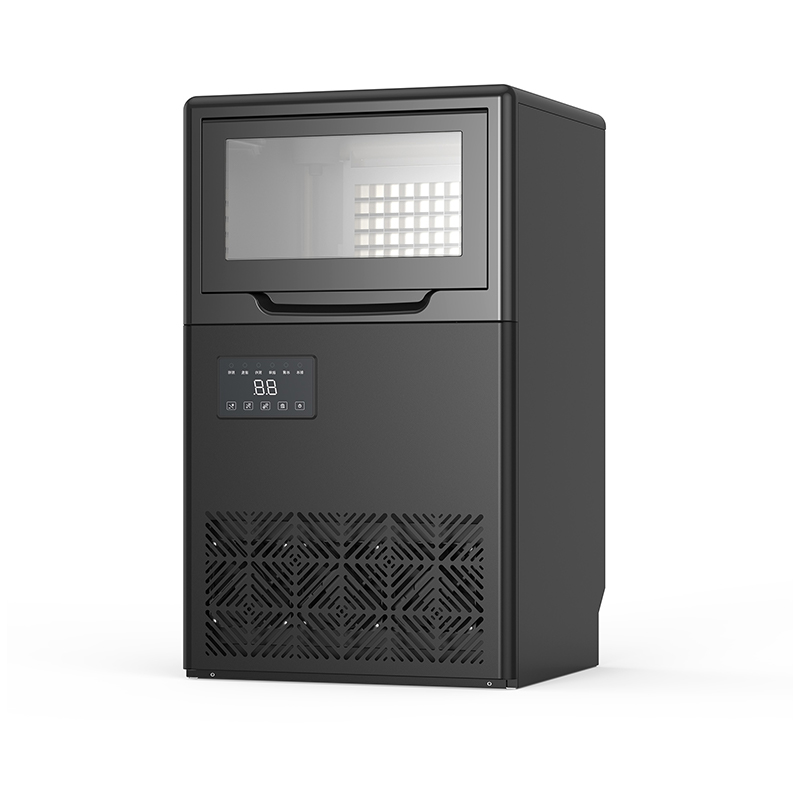
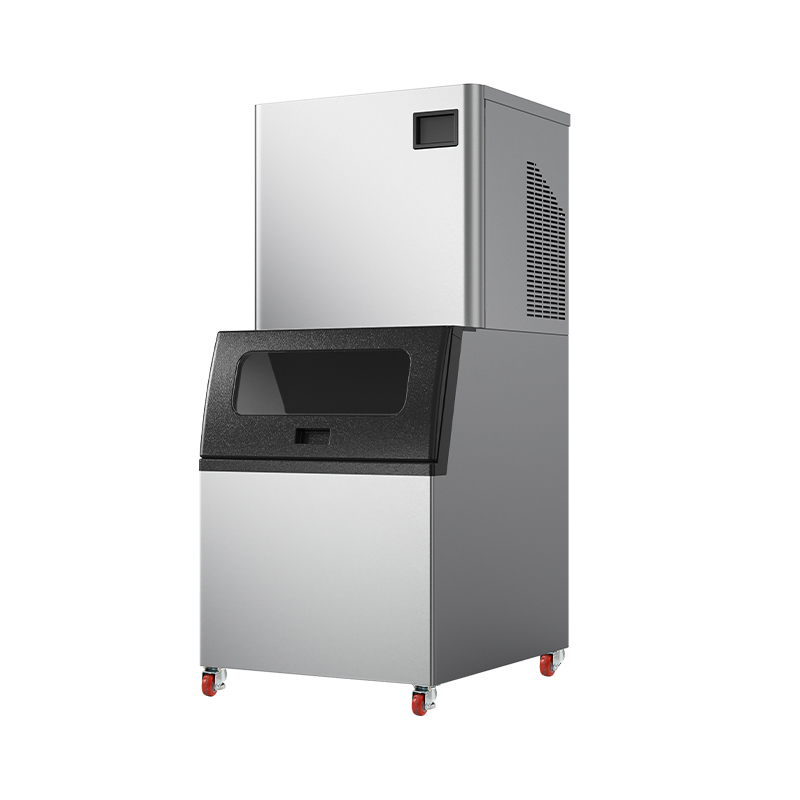
A manufacturer offering a complete range of cube ice maker models, from compact under counter units to high volume modular systems, allows food service operators to match equipment precisely to demand while working with one consistent source for parts, service support, and technical documentation.