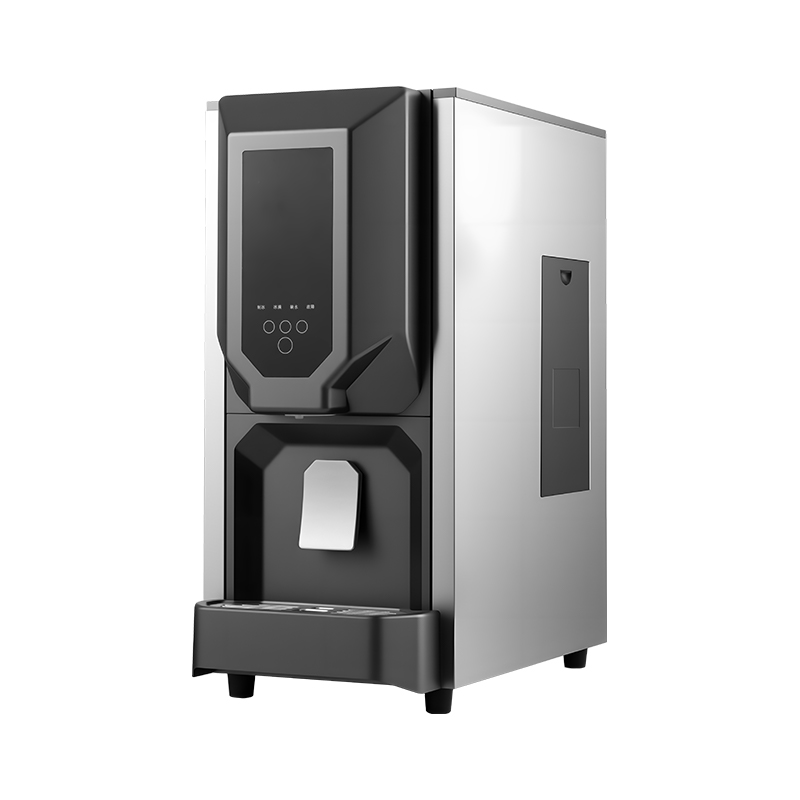
Flake Ice Maker Flake Ice Maker Custom
Home / Products / Flake Ice Maker

Flake Ice Maker Machine Commercial Manufacturers

I. Product Definition and Overview
The Flake Ice Maker (Integrated Unit) is a multi-functional device that highly integrates the ice-making system, ice storage bin, and chilled water supply system into a single, unified chassis. Its core feature is a "dual-effect" capability—combining ice production with chilled water supply—enabling it to not only produce fine, granular ice particles but also simultaneously provide a continuous and stable supply of chilled water, thereby serving two distinct functions within a single machine. These units typically feature a compact, countertop design with a small footprint, making them ideally suited for commercial venues where space is at a premium.
Due to its diminutive size and excellent resistance to melting, this type of ice is commonly referred to within the industry as "granular ice" or "ice pellets." Unlike traditional cube ice machines, granular ice makers produce ice through processes such as helical extrusion or standard mold formation; the resulting ice is fine, practical, and capable of rapidly cooling beverages. This integrated ice-and-water solution makes the device an ideal choice for specialty coffee bars, high-end cocktail lounges, and small-scale dining establishments.
II. Application Scenarios
Leveraging its unique "ice + water" dual functionality, the granular ice maker is widely deployed in various settings that demand high levels of service efficiency and optimal space utilization.
(1) Specialty Coffee Shops and Tea Houses: This constitutes the primary application environment for this device. Granular ice—characterized by its small, rounded shape and crystal-clear appearance—melts quickly into beverages. It is suitable for a wide array of freshly prepared drinks—including Iced Americanos, cold brew coffees, fruit teas, and sparkling water—ensuring rapid cooling without compromising the beverage's flavor profile. Concurrently, the integrated chilled water system provides an on-demand supply of cold water for beverage preparation or general bar operations.
(2) High-End Bars and Executive Lounges: When crafting cocktails, serving whiskey, or preparing fruit juices, the rapid-cooling properties of granular ice help to swiftly lock in the beverage's aromatic nuances, thereby elevating the overall quality of the drink. The chilled water component can be utilized for cleaning purposes or as an auxiliary ingredient in cocktail mixing.
(3) Hotel Suites and Private Clubs: These units provide guests in rooms or lounge areas with immediate access to both ice and chilled water, thereby enhancing the overall guest experience. Furthermore, the device operates with minimal noise, ensuring it does not disrupt the tranquil atmosphere of the resting environment.
(4) Convenience Stores and Light-Bite Cafés: These units effectively meet customer demand for daily ice-cold beverages and chilled water. Characterized by simple operation and ease of maintenance, the device is well-suited for high-traffic environments requiring frequent, heavy-duty use. (5) Medical and Laboratory Applications: In specific scenarios involving vaccine storage, scientific temperature testing, and biological sample refrigeration, fine ice particles are required for rapid cooling or ice baths; consequently, granular ice machines are widely utilized in these settings due to their hygienic nature and high efficiency.
(6) Food Preservation and Processing: Granular ice can penetrate narrow crevices and facilitates rapid cooling, making it ideal for the chilled display of fresh foods—such as seafood and meat—thereby extending their shelf life.
III. Production Technology Features
(1) Dual-Function Integrated System Design: The equipment features an internal integration of independent ice-making and chilled water supply systems. Controlled by an intelligent valve assembly, this design ensures that the ice-making and chilled water dispensing processes operate independently without mutual interference.
(2) High-Efficiency Ice-Making Technology: Utilizing a spiral cutter extrusion mechanism, the machine produces amorphous, fine-grained "snowflake" ice chips characterized by their small size and rapid cooling capabilities. The de-icing process typically employs hot-fluorine technology, which facilitates rapid ice release; furthermore, the inclusion of a de-icing drainage function ensures the resulting ice is cleaner and more transparent.
(3) Intelligent Control System: Equipped with a built-in microcomputer and fully automated control program, the unit features protective functions such as automatic shut-off when the ice bin is full, automatic shutdown in the event of water shortages, and fault warning displays. The machine automatically ceases operation when the ice storage bin reaches capacity or if the water supply is interrupted; it then automatically restarts once ice has been retrieved or the water supply has been restored, enabling unattended operation.
(4) Hygiene, Safety, and Materials: The evaporator tubes and all components that come into contact with water are predominantly constructed from stainless steel, ensuring full compliance with food safety and hygiene standards. Select high-end models are equipped with a high-performance motor cooling system and filtration screens, effectively extending the service life of the compressor. Additionally, some units feature a float-valve-controlled water tank intake system, which prevents residual water accumulation and inhibits bacterial growth.
(5) Energy-Efficient and Silent Design: The unit utilizes brand-name compressors and eco-friendly refrigerants to ensure stable operation with minimal noise output. An optimized heat dissipation system and thermal insulation structure work together to minimize energy consumption and reduce cold loss.
IV. Core Advantages
(1) Dual Functionality and Efficient Space Utilization: By integrating both ice-making and chilled water dispensing into a single unit, there is no need to purchase a separate chilled water machine or allocate space for a standalone ice storage bin. This makes the system ideally suited for commercial bar counters and compact kitchen environments where space is at a premium. (2) Superior Ice Quality and Rapid Cooling: The small volume and large specific surface area of ​​the granular ice allow it to quickly penetrate the spaces within beverages or ingredients, ensuring highly efficient cooling. Furthermore, the ice features an aesthetically pleasing, crystal-clear appearance that enhances the visual appeal of drinks. Certain models are capable of producing ice at temperatures as low as -8°C, offering exceptional hardness.
(3) Intelligent Operation for Energy Savings and Peace of Mind: Featuring fully automated computer control, the unit automatically shuts down when the ice bin is full or when water levels are low, thereby minimizing manual intervention and preventing energy waste. A built-in heat dissipation system and a high-quality brand-name compressor ensure stable, long-term operation with a low incidence of malfunctions.
(4) Hygienic, Safe, and Easy to Maintain: The use of stainless steel ice molds and food-grade materials guarantees that the ice is safe for direct consumption. Thoughtful design details—such as a drainage system for residual water during the de-icing cycle and a float-valve water intake system—effectively prevent bacterial growth. The modular structural design makes routine cleaning and maintenance procedures both convenient and hassle-free.
(5) Enhancing Operational Efficiency and Customer Experience: With ice granules and chilled water available on demand, the system eliminates the need for manual ice production and the laborious transport of ice bins, thereby significantly boosting service efficiency. For high-end dining establishments, this type of instant-access ice service serves to effectively elevate customer satisfaction levels and enhance the brand's overall image.

Company
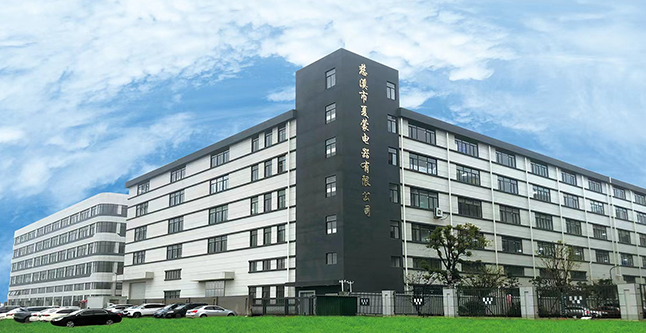
Cixi City Sharmoon Electric Co., Ltd.
As OEM commercial flake ice maker manufacturers and ODM ice flake maker machine factory, Cixi City Sharmoon Electric Co., Ltd, founded in 2003, is a modern high-tech enterprise integrating R&D, manufacturing, and service. Located in Cixi, Zhejiang Province, and supported by more than 260 employees, Sharmoon has focused on the development and production of commercial ice makers, while also covering water filter pitchers, faucet water filters, pet water fountains, instant tea makers, and other related categories. We provide professional OEM/ODM manufacturing solutions for customers worldwide.
Sharmoon independently develops automated production lines and core equipment to reduce labor dependence and improve manufacturing efficiency. We continue to invest in product development and technical upgrades, especially in commercial ice makers and other core categories, launching no fewer than 30 new products every year.
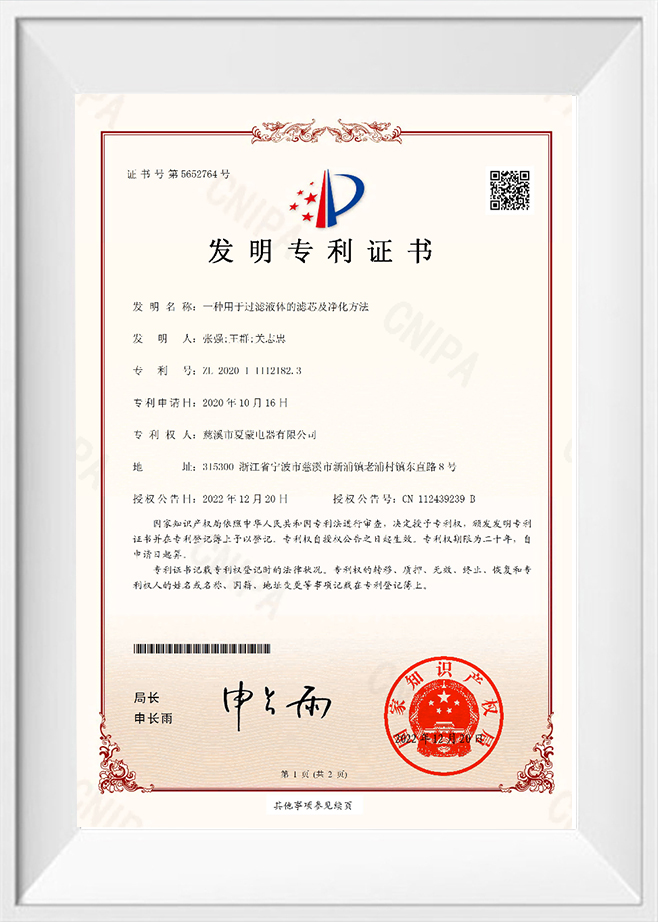
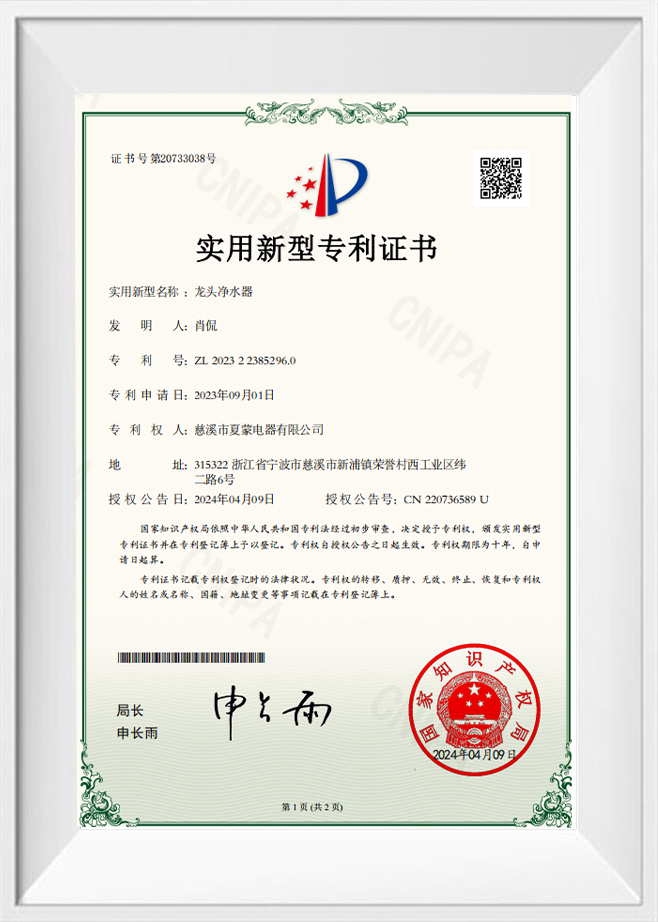
Certificate Of Honor
  • Certificate of Invention
  • Utility Model Patent Certificate
News & Share
Flake Ice Maker Industry knowledge

A flake ice maker produces thin, flat ice pieces with a soft, moldable texture that is ideal for rapid cooling across a wide range of commercial and industrial applications. Unlike cubed ice, flake ice offers a larger surface-area-to-mass ratio, enabling faster and more uniform temperature transfer. From seafood display counters to concrete mixing in construction, the commercial flake ice maker has become an indispensable piece of equipment in modern cold-chain operations. This article explores how flake ice machines work, their key advantages, common use cases, and answers to frequently asked questions.

How a Flake Ice Machine Works

The core mechanism of an ice flake making machine involves a refrigerated drum or evaporator cylinder that rotates continuously. Water is distributed evenly over the outer or inner surface of this drum, where it freezes into a thin ice sheet. A stainless-steel ice-scraping blade then harvests the sheet in small, irregular flake pieces — typically 2 mm to 3 mm thick.

The refrigeration system uses a compressor, condenser, and expansion valve to maintain the drum surface at temperatures as low as −10 °C to −15 °C. Most modern commercial flake ice makers use air-cooled or water-cooled condensers depending on the installation environment. The result is a continuous, high-volume output of dry, non-adhesive flake ice — typically ready within minutes of startup.

Key Advantages of Flake Ice Over Other Ice Forms

Compared to cube ice or block ice, flake ice delivers measurable performance benefits in temperature-sensitive applications. The table below provides a quick comparison:

Ice Type Thickness Cooling Speed Surface Contact Typical Use
Flake Ice 2–3 mm Very Fast Maximum Seafood, produce, healthcare
Cube Ice 25–35 mm Moderate Limited Beverages, retail displays
Block Ice 50+ mm Slow Minimal Long-haul transport, fishing
Table 1: Comparison of common commercial ice types by key performance parameters

Flake ice is also non-damaging to delicate products — its soft texture wraps around irregular shapes like fresh fish or medical specimens without bruising or puncturing them. This makes it the preferred choice in supermarket display cases, hospital laboratories, and poultry processing plants worldwide.

Industries and Applications That Rely on Commercial Flake Ice Makers

The versatility of flake ice means that a single commercial flake ice maker can serve very different industries depending on its capacity and configuration. Common sectors include:

  • Food retail and hospitality: Supermarkets and fishmongers use flake ice in open display counters to preserve the visual freshness of seafood and meat while keeping surface temperatures below 4 °C.
  • Healthcare and pharmaceuticals: Blood banks and laboratories rely on flake ice to maintain strict temperature ranges for samples and reagents without the risk of freezer burn.
  • Food processing: Meat, poultry, and dough manufacturers mix flake ice directly into products during processing to control dough temperature and prevent bacterial growth.
  • Construction: In hot-climate concrete mixing, flake ice replaces part of the mixing water to reduce the hydration temperature of cement and improve structural integrity.
  • Aquaculture and fishing vessels: Offshore fishing boats use high-capacity ice flake making machines to preserve the catch directly at sea.

Choosing the Right Flake Ice Machine for Your Needs

Selecting the correct capacity and configuration is critical to achieving cost-effective operation. Key parameters to evaluate include:

  1. Daily output capacity: Small venues such as cafés may require as little as 30–50 kg/day, while large seafood processing plants may need machines rated at 3,000–10,000 kg/day.
  2. Condenser type: Air-cooled units are easier to install; water-cooled units offer higher efficiency in hot environments but require a water source and drainage.
  3. Material and hygiene standards: Food-grade stainless steel (304 or 316) interiors are essential for applications in food handling or healthcare.
  4. Energy efficiency rating: Look for models with inverter-driven compressors or auto-cleaning functions to reduce operating costs over time.
  5. OEM/ODM availability: For distributors and resellers, working with an experienced OEM manufacturer allows brand customization, private-label packaging, and product specification adjustments to match regional markets.

As an OEM commercial ice maker manufacturer and ODM ice machine factory, Cixi City Sharmoon Electric Co., Ltd, founded in 2003, supports global buyers with tailored commercial flake ice maker solutions backed by automated manufacturing lines and a dedicated R&D team. With over 260 employees and no fewer than 30 new product launches per year, Sharmoon provides professional customization for wholesale and distribution customers worldwide.

Flake Ice Machine for Home: Is It a Practical Option?

The growing popularity of home entertaining, home bars, and high-end kitchen setups has fueled demand for a flake ice machine for home use. Compact countertop models designed for residential environments are now available, typically producing 10–20 kg of flake ice per day — more than enough for a household or small gathering.

Home flake ice machines are favored for making cocktails, smoothies, and shaved-ice desserts, as the soft texture blends easily and chills drinks faster than conventional cube ice. Most residential units are air-cooled, self-contained, and require only a standard power outlet and periodic water refilling — no plumbing required. When evaluating a home unit, prioritize low noise levels (under 45 dB), compact footprint, and easy-clean drip trays.

Frequently Asked Questions

Q1. What is the difference between a flake ice maker and a nugget ice maker?

A flake ice maker produces thin, flat, dry ice pieces (2–3 mm) by scraping a frozen drum. A nugget ice maker compresses flake ice into small, chewable cylindrical pellets. Flake ice is preferred for product display and processing; nugget ice is more popular in beverages and healthcare settings due to its softer, chewable texture.

Q2. How often does a commercial flake ice maker need to be cleaned?

For food-grade applications, it is recommended to clean and sanitize the water system and ice-contact surfaces every 3–6 months, or more frequently in high-mineral-content water areas. Many commercial units include automatic self-cleaning cycles that reduce manual maintenance requirements significantly.

Q3. Can an ice flake making machine operate in high ambient temperatures?

Yes, but performance will vary. Most air-cooled units are rated for ambient temperatures up to 38 °C (100 °F), though output capacity may decrease by 10–20% in peak summer conditions. For installations in hot climates or confined spaces, water-cooled models are the more reliable choice as they are less affected by ambient air temperature.

Q4. What water quality is required for a flake ice machine?

Potable tap water is generally sufficient. However, water with high hardness (above 170 ppm calcium carbonate) can cause scale buildup on the evaporator drum, reducing efficiency and shortening component life. Installing an in-line water softener or filter is recommended in hard-water regions. For pharmaceutical or laboratory use, deionized or reverse-osmosis water may be specified.

Q5. What should I look for when sourcing a commercial flake ice maker from an OEM factory?

Key factors include: factory certifications (CE, ETL, NSF), minimum order quantities, lead times, customization scope (branding, voltage, capacity), and after-sales support. Partnering with an established ODM manufacturer that operates its own automated production lines — rather than a trading company — typically ensures tighter quality control, faster response to specification changes, and more competitive unit costs at scale.