A snowflake ice maker produces ultra-fine, powdery ice crystals with a dry, non-adhesive texture that resembles freshly fallen snow. Unlike flake ice or pellet ice, snowflake ice is milled or shaved to a particle size of just 1–2 mm, giving it an exceptionally high surface-area-to-mass ratio and a soft, smooth consistency. These properties make the snowflake ice maker machine indispensable in applications where rapid, uniform temperature transfer and aesthetic presentation are both priorities — from high-end dessert shops to laboratory specimen storage.
How a Snowflake Ice Maker Machine Works
The production mechanism in a snowflake ice maker machine begins with a refrigerated drum or auger evaporator, similar in principle to a flake ice machine. Water is distributed over the chilled surface and frozen into a thin sheet. The critical difference lies in the harvesting stage: instead of a single scraper blade producing flat flake pieces, a high-speed rotating cutter or milling drum breaks the ice sheet into extremely fine particles before they are discharged.
Output temperature typically falls between −4 °C and −8 °C, keeping the snowflake ice dry and free-flowing rather than wet and clumping. Because the particles are so fine, they conform tightly to irregular product surfaces — surrounding a whole fish or a medical sample with consistent contact on all sides — maximizing heat extraction efficiency from the very first seconds of contact.
Core Advantages of Snowflake Ice
The sub-2 mm particle size of snowflake ice creates performance advantages that no other ice format can fully replicate. The table below compares snowflake ice against flake ice and pellet ice across the metrics most relevant to commercial buyers:
| Property |
Snowflake Ice |
Flake Ice |
Pellet Ice |
| Particle Size |
1–2 mm |
2–3 mm |
8–12 mm |
| Surface Contact |
Maximum |
High |
Moderate |
| Product Damage Risk |
None |
Very Low |
Low |
| Visual Presentation |
Premium / Snow-like |
Functional |
Good |
| Primary Use |
Desserts, labs, display |
Seafood, processing |
Beverages, healthcare |
Table 1: Snowflake ice compared to flake ice and pellet ice across key commercial parameters
The snow-like texture also carries a strong aesthetic value. In shaved-ice dessert bars, bingsu shops, and premium seafood counters, the visual appeal of evenly distributed snowflake ice directly influences how fresh and high-quality products appear to end consumers.
Industries That Rely on Commercial Snowflake Ice Makers
Demand for commercial snowflake ice maker units spans several distinct sectors, each driven by different performance priorities:
- Dessert and food retail: Bingsu, Hawaiian shave ice, and Taiwanese snow ice desserts require fine, dry snowflake ice that absorbs flavored syrups evenly without immediately dissolving.
- Seafood and fresh produce display: The ultra-fine particles surround irregular shapes such as whole fish, scallops, or berries with complete surface coverage, maintaining display temperatures reliably below 4 °C.
- Biomedical and laboratory: Snowflake ice is used to keep reagent trays, tissue samples, and PCR tubes at near-zero temperatures during bench work without the risk of sample damage from hard ice edges.
- Pharmaceutical cold chain: Packing temperature-sensitive medications or vaccines with snowflake ice during last-mile delivery offers more even temperature distribution than gel packs or cube ice.
Buying Snowflake Ice Makers Wholesale: What Distributors Should Verify
For importers and resellers sourcing snowflake ice maker wholesale quantities from a commercial snowflake ice maker factory, product consistency and supplier reliability are the two most critical variables. Key evaluation points include:
- Cutter durability and blade material: The milling or scraping mechanism is the highest-wear component. Confirm the blade alloy specification and the manufacturer's stated replacement interval — typically every 2,000–4,000 operating hours for well-engineered units.
- Particle size consistency: Request a production sample and measure particle distribution. Inconsistent particle size — a mix of fine snow and coarser flake fragments — indicates poor blade geometry or inadequate evaporator surface finish.
- Hygiene certifications: Food-contact surfaces must comply with NSF, CE, or equivalent standards. For laboratory-grade units, additional documentation on material inertness may be required.
- OEM/ODM scope: Confirm whether the factory supports private-label branding, voltage adaptation, and custom capacity configurations for different regional markets.
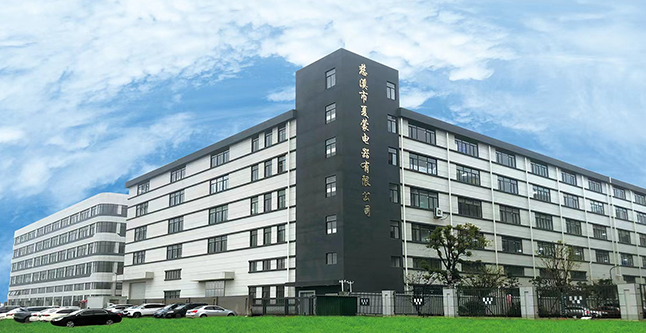
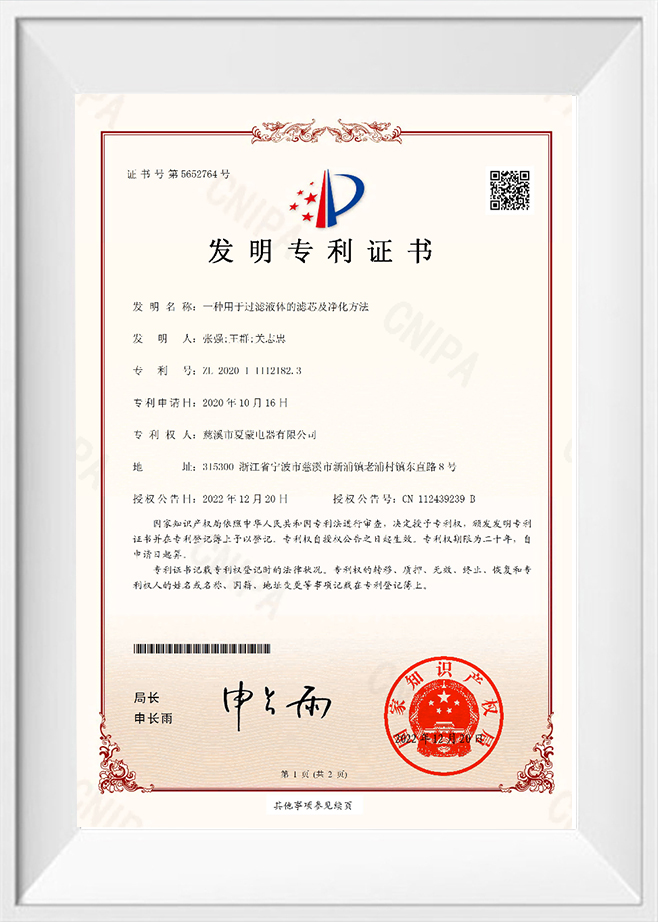
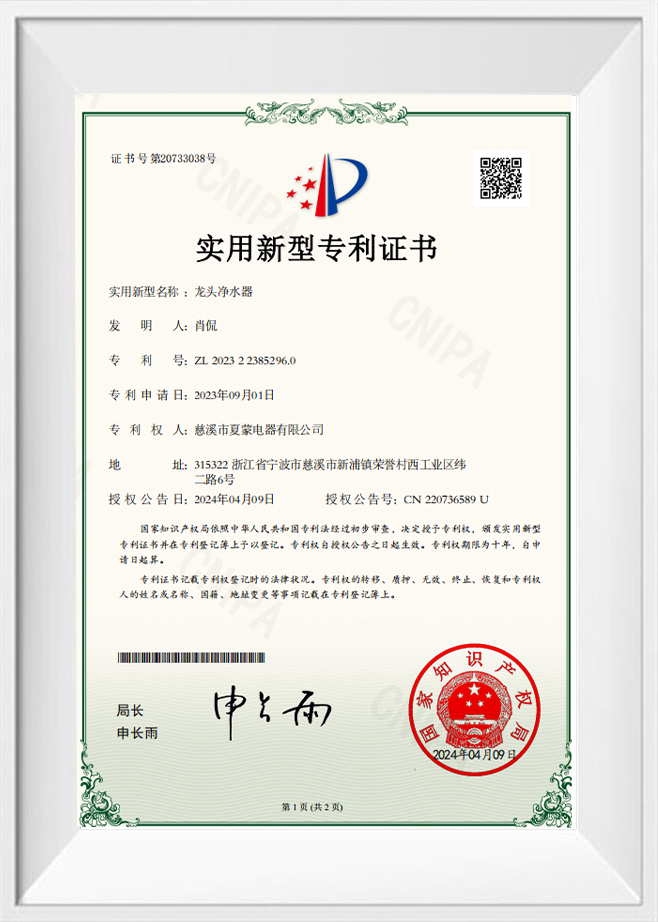
As a dedicated commercial snowflake ice maker factory and broader ice maker manufacturer, Cixi City Sharmoon Electric Co., Ltd — founded in 2003 in Cixi, Zhejiang Province — independently develops automated production lines and core equipment, ensuring consistent output quality across wholesale volumes. With over 260 employees and no fewer than 30 new products launched annually, Sharmoon provides reliable OEM/ODM solutions for global distributors across all major ice maker categories.
Frequently Asked Questions
Q1. What is the difference between a snowflake ice maker and a flake ice maker?
Both machine types use a refrigerated drum to freeze water into a thin ice sheet, but a snowflake ice maker adds a secondary milling or cutting stage that reduces the ice to particles of 1–2 mm — roughly half the thickness of standard flake ice. This results in a drier, finer texture suited to dessert and laboratory applications, whereas flake ice is better suited for bulk cooling of large product volumes such as seafood or cut vegetables.
Q2. How much daily output should I specify for a dessert shop?
A standard bingsu or shave-ice serving uses approximately 150–250 g of snowflake ice. A busy shop serving 150 portions per day would therefore consume around 25–40 kg of snowflake ice daily. Specifying a machine rated at 40–60 kg/day provides a comfortable buffer for peak periods and accounts for ice lost to ambient melting during service hours.
Q3. Does snowflake ice melt faster than cube ice?
Yes. The larger total surface area of fine snowflake particles means they absorb ambient heat more quickly than dense cube ice. In open display applications, snowflake ice typically requires replenishment every 4–6 hours depending on ambient temperature and airflow. For storage, an insulated bin with a well-sealed lid significantly extends hold time. In dessert applications, the faster melt rate is often desirable — it creates a softer, creamier mouthfeel as the ice gradually incorporates flavored syrups.
Q4. What water quality is recommended for a snowflake ice maker machine?
Potable tap water is generally acceptable, but water hardness above 150 ppm accelerates mineral scale buildup on the evaporator drum, which degrades particle size consistency over time. Installing an in-line pre-filter or water softener is recommended for most installations. For laboratory or pharmaceutical use, reverse-osmosis water is preferred to eliminate any risk of mineral contamination in the ice particles.



 English
  Español



 + 86 - 18158466171
  No. 6 Wei'er Road, Xigong District, Xinpu Town, Cixi City, Zhejiang Province, China