I. Product Definition and Overview
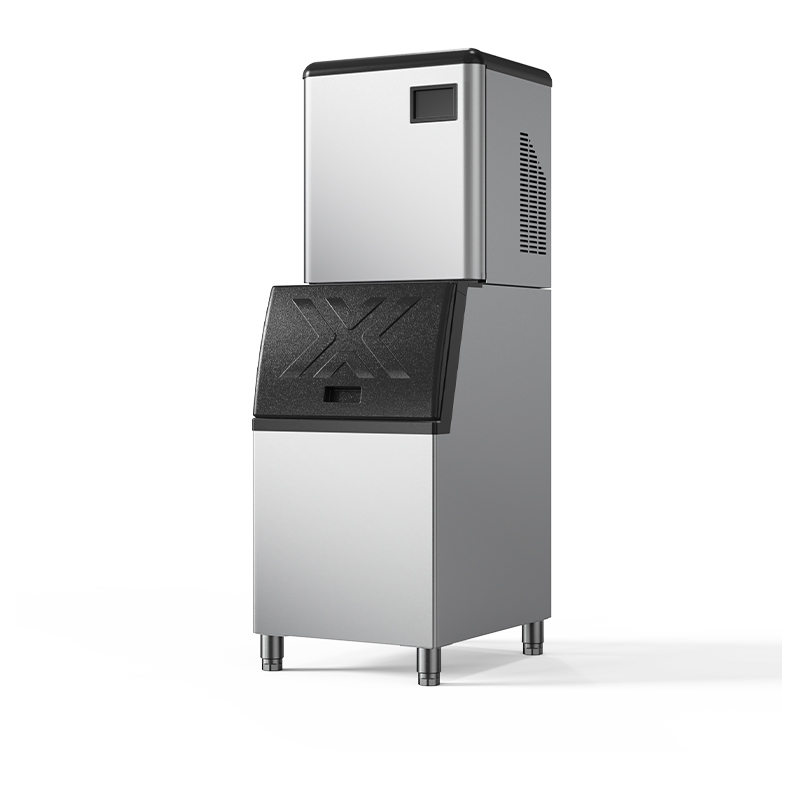
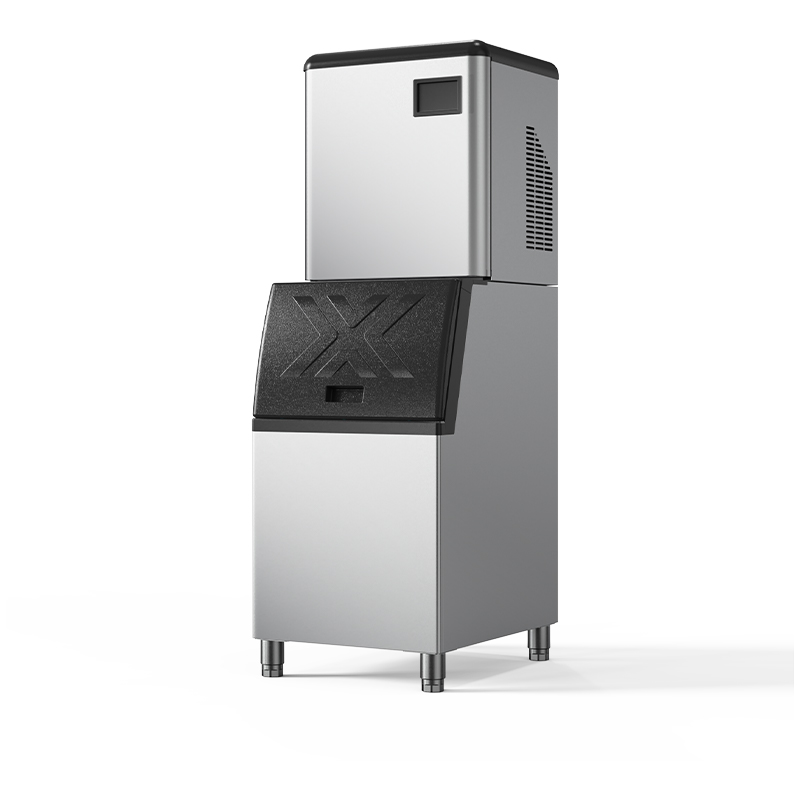
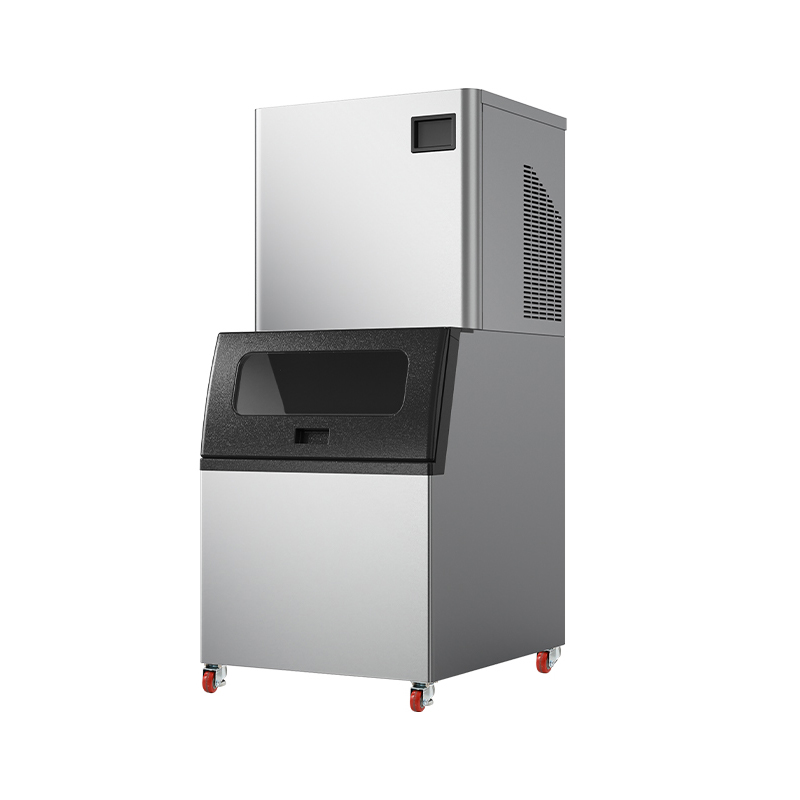
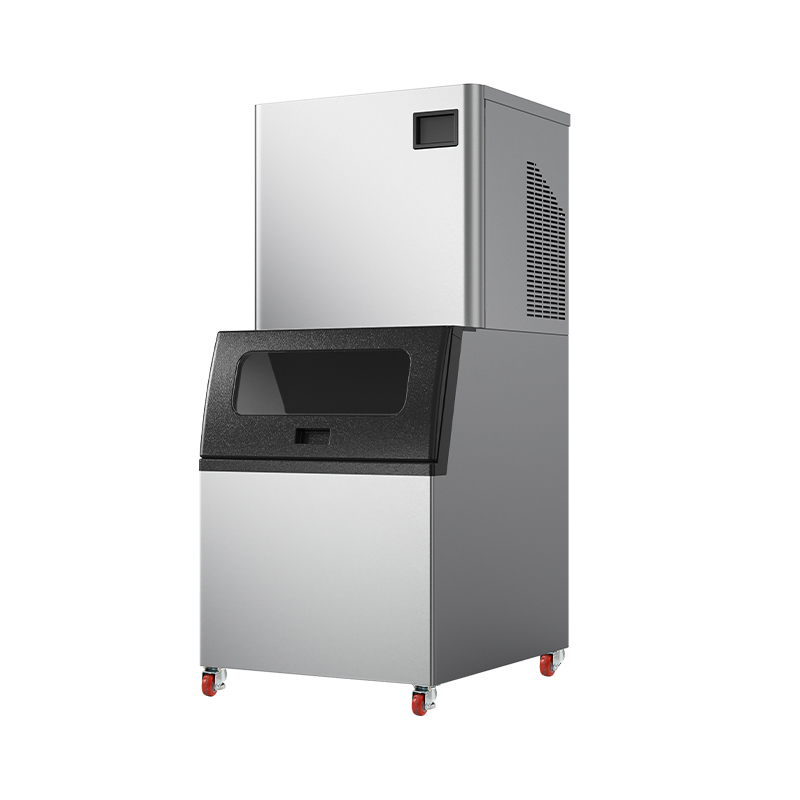
The Split-Type Cube Ice Maker is a specialized ice-making device designed with a separation between its ice-making system and its ice storage system. Its core characteristic is its "split-structure design"—the ice-making unit and the ice storage bin exist as two independent modules that work in tandem, connected via piping and electrical lines. This design transcends the limitations of traditional "all-in-one" integrated units, achieving a qualitative leap in terms of ice production capacity, storage volume, and installation flexibility. Depending on capacity requirements, the split-type series offers a wide range of specifications—from a daily output of 160 kg to over 350 kg—including "space-saving split models" suitable for small to medium-sized commercial businesses, thereby satisfying the varying ice demands of diverse operational settings.
II. Application Scenarios
Thanks to their high production capacity, extended ice storage duration, and flexible installation options, split-type cube ice makers are widely deployed in various venues with high demands for ice consumption.
(1) Large-Scale Dining & Chain Brands: Chain hot pot restaurants, barbecue eateries, buffets, fast-food outlets, and similar venues consume vast quantities of ice, with demand often peaking during specific hours. The large storage bins of split-type units allow for the pre-accumulation of ample ice reserves, ensuring an uninterrupted supply even during peak operational periods.
(2) Hotels & High-End Clubs: Hotel room service, banquet halls, and executive lounges require a continuous supply of high-quality ice. Split-type systems allow the ice-making unit to be installed in the back kitchen or an equipment room, leaving only the ice-dispensing outlet or bar area exposed; this arrangement satisfies operational ice needs while simultaneously enhancing the aesthetic appeal of the space.
(3) Bars, KTVs, & Nightclubs: Nighttime entertainment venues face high and concentrated demands for ice. The split-type design enables the placement of the relatively noisy ice-making unit away from the main business area, preventing noise interference that could detract from the customer experience, while the large-capacity storage bin ensures sufficient ice is available to meet the venue's needs throughout the entire night.
(4) Supermarkets & Fresh Food Markets: Used for the chilled display of fresh produce, such as seafood and meat. Split-type units can be connected to multiple ice-dispensing outlets or integrated with automated ice-delivery systems, allowing market staff to conveniently access ice on demand to maintain the freshness of their merchandise. (5) Food Processing and Central Kitchens: In food processing operations, ice is frequently used to cool ingredients, regulate temperatures during mixing, or preserve freshness during packaging. The high production capacity and continuous ice-making capabilities of split-system ice machines effectively meet the consistent ice demands of production lines.
(6) Healthcare, Chemicals, and Laboratories: Medical institutions, research institutes, chemical plants, and similar facilities require a stable and reliable source of ice for specimen preservation, physical cooling, or reaction temperature control. The hygienic design and stable performance of split-system units satisfy the rigorous requirements of these specialized fields.
III. Production Technology Features
The production technology behind split-system cube ice makers represents the pinnacle of commercial ice-making capabilities, characterized primarily by the following aspects:
(1) High-Efficiency Refrigeration System: Utilizing compressors from world-renowned brands, the refrigeration system features an optimized design. The evaporator is constructed from nickel-plated red copper or stainless steel, ensuring high thermal conductivity and exceptional corrosion resistance. Certain models enhance overall output by over 15% through the addition of extra ice molds and the use of thicker thermal insulation layers.
(2) Rapid Ice-Making Cycle: Advanced models achieve rapid ice-making cycles, producing ice cubes with an internal temperature reaching -7°C. These cubes possess high hardness and melt slowly, ensuring that ice supply remains sufficient even during peak demand periods.
(3) Water and Energy-Saving Design: Split-system units require no water drainage during the freezing process, resulting in water savings of up to 30% compared to traditional models. Furthermore, the integrated polyurethane foam insulation technology applied to the ice storage bin ensures superior thermal retention, minimizing cold loss and reducing energy consumption.
(4) Intelligent Control System: Employing microcomputer-based fuzzy logic control technology, the system automates the entire process—including water supply, ice making, and ice harvesting. Photoelectric sensors monitor ice levels, automatically shutting down the machine when the bin is full and restarting it once ice is removed; this ensures reliable operation unaffected by fluctuations in ambient temperature. The system also features an automatic fault detection function, enabling it to automatically enter a self-correction mode tailored to the specific type of malfunction detected.
(5) Hygienic and Safety Assurance: All components that come into contact with ice are constructed from stainless steel or food-grade materials, fully complying with international hygiene standards. Select models are equipped with an automatic cleaning function that periodically cleans the water circulation system, thereby preventing bacterial growth. Additionally, a unique residual water drainage mechanism ensures that both the machine and the produced ice remain clean and hygienic. (6) Modularity and Maintainability: Featuring a detachable mounting bracket design, the ice-making unit is separated from the ice storage bin, facilitating subsequent troubleshooting and routine maintenance. The front-mounted condenser is easy to clean, thereby reducing maintenance costs.
(7) Eco-friendly Refrigerant Application: Utilizes environmentally friendly refrigerants to minimize ozone layer depletion, making the ice-making process greener and healthier.
IV. Core Advantages
Compared to integrated ice machines or other types of ice-making equipment, the split-system square ice machine offers the following distinct advantages:
(1) Large Storage Capacity to Meet Peak Demand: The split-system design significantly increases the capacity of the ice storage bin. Taking the "Split-System Economy Model" as an example: a unit with a daily output of 160 kg can be paired with an 80 kg storage bin, while a unit with a daily output of 350 kg can be paired with a 150 kg storage bin. These high-capacity storage bins effectively handle peak demand periods—such as holidays and banquets—preventing the embarrassing situation of running out of ice.
(2) Separation of Ice-Making Unit and Dispensing Point for Flexible Installation: The ice-making unit can be installed in the back kitchen, an equipment room, or outdoors, leaving only the ice dispensing port visible at the bar or service area. This approach not only saves valuable prime floor space but also enhances the aesthetic appeal of the environment. Depending on the venue's layout, the ice storage bin can be selected with either a side-opening door or a top-lifting door design.
(3) Exceptional Ice Quality: Employs a spray-type, layer-by-layer freezing technology that effectively expels impurities and air bubbles from the water, producing square ice cubes characterized by high hardness, excellent clarity, and sharp, distinct edges. The internal temperature of the ice cubes reaches as low as -7°C; their high density ensures slow melting, thereby preserving the original flavor and concentration of beverages without rapid dilution.
(4) Energy and Water Efficiency with Low Operating Costs: The freezing process requires no water drainage, resulting in water savings of up to 30%. A thickened polyurethane foam insulation layer effectively minimizes thermal loss and reduces the frequency of compressor startups. The use of brand-name compressors and an optimized refrigeration system ensures a high energy efficiency ratio, leading to lower long-term operating costs.
(5) Intelligent Operation for Effortless Management: Features fully automatic computer control with functions such as automatic shut-off when the bin is full, automatic shutdown in the event of a water shortage, and fault alarms, enabling completely unattended operation. The automatic cleaning function and residual water drainage mechanism reduce manual maintenance requirements and ensure the hygiene of the ice.
(6) Guaranteed Hygiene and Safety: Multiple safeguards—including a stainless steel exterior and interior liner, food-grade materials, and an automatic cleaning function—ensure that every batch of ice meets food safety standards.



 English
  Español



 + 86 - 18158466171
  No. 6 Wei'er Road, Xigong District, Xinpu Town, Cixi City, Zhejiang Province, China