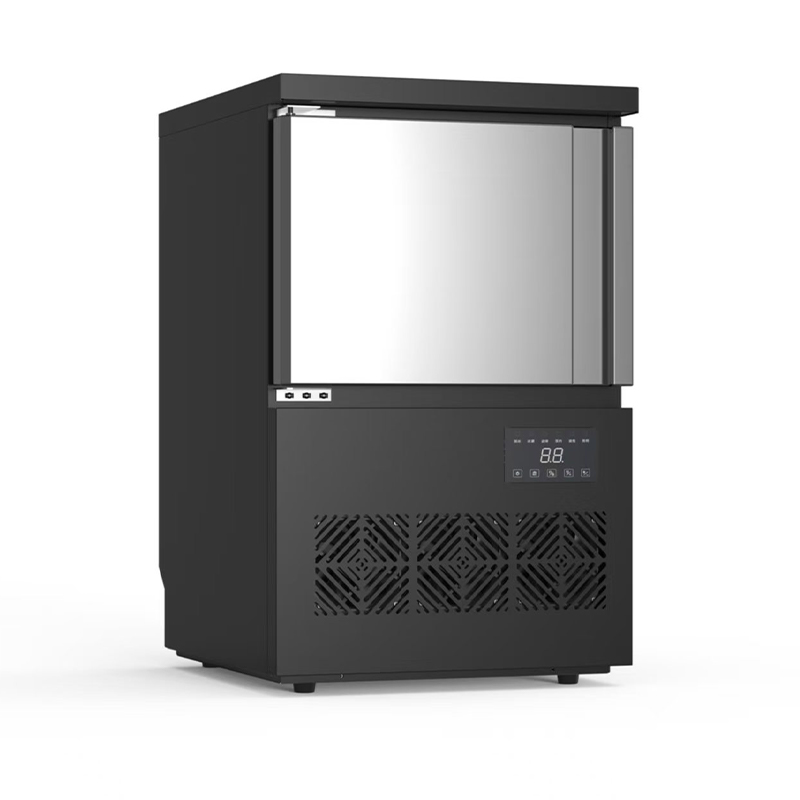
An extruded pellet ice maker produces small, cylindrical ice pieces by forcing compressed flake ice through a die plate under controlled pressure. The resulting pellets are soft, chewable, and slightly hollow — characteristics that make them exceptionally popular in healthcare, foodservice, and beverage applications. As global demand for specialty ice formats continues to grow, understanding how extruded pellet ice machines work and what to look for when sourcing them is increasingly valuable for procurement and distribution professionals.
How an Extruded Pellet Ice Maker Works
The production process in an extruded pellet ice maker begins the same way as flake ice manufacturing: water is distributed over a refrigerated evaporator drum and frozen into a thin sheet. A scraper blade harvests the sheet as raw flake ice. The key difference lies in the next stage — the flake ice is fed into an auger-driven compression chamber, where it is compacted and forced through a die with small circular apertures, typically 8–12 mm in diameter.
The extrusion pressure partially warms the outer surface of the ice, creating a slightly wet, fused texture that holds the pellet shape without shattering. The result is a soft, nugget-style pellet that retains a porous, air-incorporated core — making it easy to chew and quick to cool beverages. Output temperatures typically range from −2 °C to −5 °C, keeping pellets intact while remaining gentle on dental enamel.
Core Advantages of Extruded Pellet Ice
Pellet ice delivers a unique combination of performance and user experience that cube ice and block ice cannot replicate. The table below highlights the key differences:
| Feature |
Extruded Pellet Ice |
Cube Ice |
Flake Ice |
| Chewability |
Excellent |
Poor |
Good |
| Cooling Speed |
Fast |
Moderate |
Very Fast |
| Pellet Integrity |
High |
High |
Low |
| Typical Application |
Beverages, healthcare |
Retail drinks |
Seafood, processing |
Table 1: Performance comparison of extruded pellet ice, cube ice, and flake ice
Additional advantages include high absorption capacity — pellet ice soaks up beverage flavor more readily than dense cube ice, enhancing the drinking experience — and a lower risk of dental injury, which is why it is the standard choice in hospital patient care units and rehabilitation centers.
Primary Applications Across Industries
The soft texture and consistent shape of extruded pellet ice make it suitable across a broad range of commercial environments:
- Quick-service restaurants and cafés: Pellet ice is the preferred format for fountain beverages, blended drinks, and cold brew coffee because it fills cups efficiently and cools quickly without over-diluting.
- Hospitals and long-term care facilities: Patients recovering from surgery or oral procedures can safely consume pellet ice for hydration without risk of hard-ice injury.
- Hotel lobbies and self-service ice stations: Compact countertop extruded pellet ice makers serve guest-facing installations where both aesthetics and hygiene are priorities.
- Convenience stores and supermarkets: Bagged pellet ice is a growing retail segment, driven by consumer familiarity with the format from fast-food chains.
What to Evaluate When Sourcing from an Extruded Pellet Ice Maker OEM Supplier
For distributors and brand owners looking to source from an extruded pellet ice maker OEM supplier or an ODM/OEM extruded pellet ice maker factory, the following criteria are essential to assess before committing to a manufacturing partner:
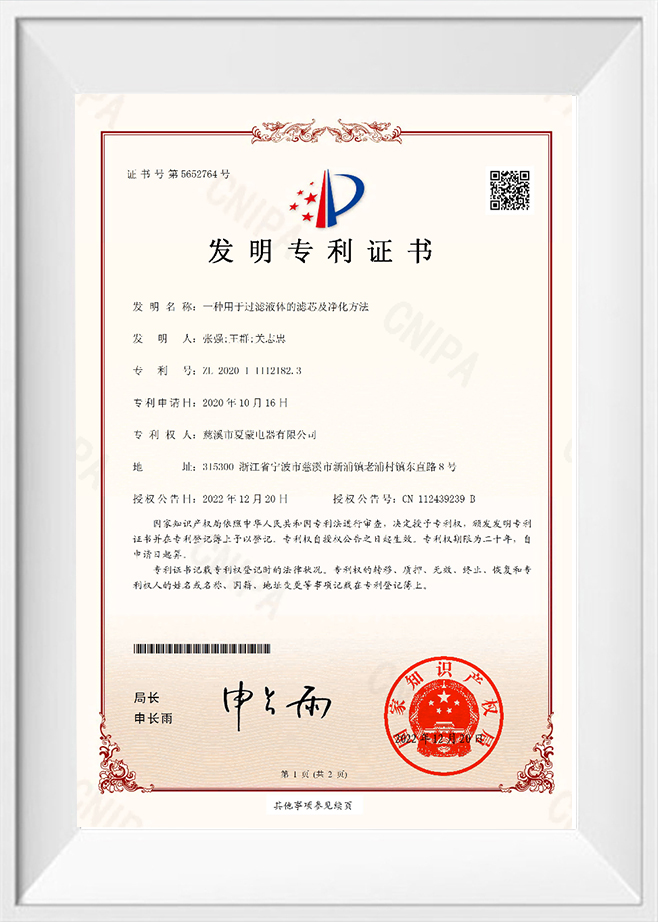
- In-house R&D capability: A factory that designs its own auger mechanisms and die configurations can adapt pellet size and output capacity to meet specific market requirements, rather than relying on generic components.
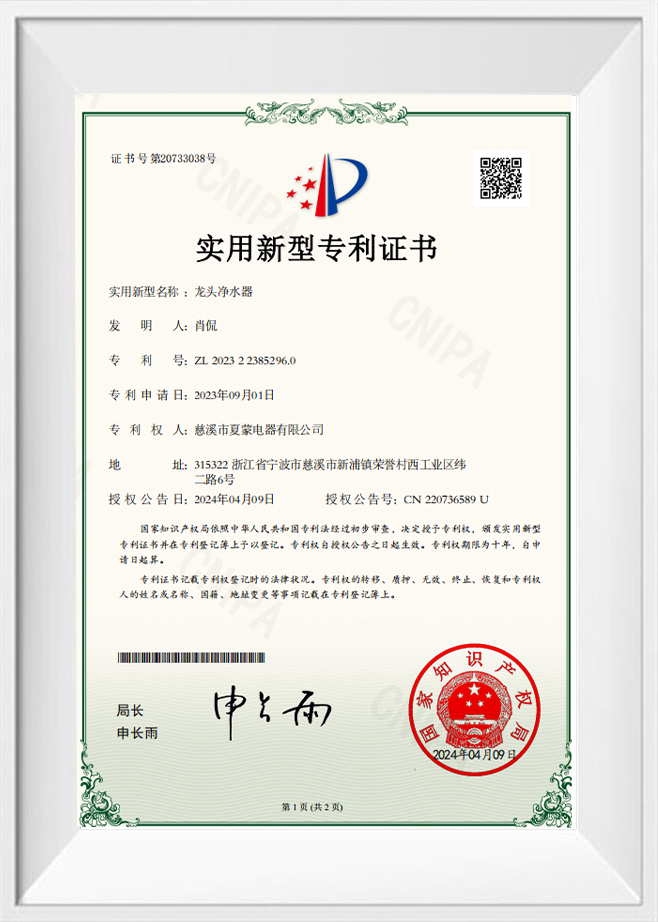
- Certifications: Confirm CE, ETL, NSF, or other market-entry certifications are held directly by the factory, not obtained through third-party resellers.
- Production scale and automation: Automated assembly lines reduce unit-to-unit variation and improve delivery reliability. Ask about annual output capacity and lead times per order batch.
- Customization scope: Confirm whether the supplier supports private-label branding, voltage adaptation (110V/220V/60Hz/50Hz), and packaging design for different regional markets.
- After-sales infrastructure: Spare-part availability, multilingual technical documentation, and warranty terms directly affect the total cost of ownership for downstream resellers.
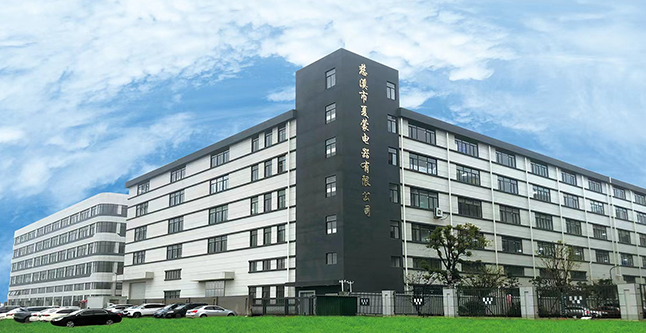
As a dedicated extruded pellet ice maker factory, Cixi City Sharmoon Electric Co., Ltd — founded in 2003 in Cixi, Zhejiang Province — operates independently developed automated production lines and launches no fewer than 30 new products each year across its commercial ice maker range. With over 260 employees and comprehensive OEM/ODM manufacturing solutions, Sharmoon supports global buyers from initial specification through to production and after-sales service.
Frequently Asked Questions
Q1. What is the typical daily output range for a commercial extruded pellet ice maker?
Commercial units generally range from 30 kg/day for countertop models suited to small cafés or hotel rooms, up to 500 kg/day for freestanding machines designed for hospital wings or high-volume quick-service restaurants. Industrial-scale configurations can exceed 1,000 kg/day when multiple units are deployed in parallel.
Q2. How does pellet size affect performance, and can it be customized?
Pellet diameter (commonly 8 mm, 10 mm, or 12 mm) affects packing density in cups, melting rate, and perceived chewability. Smaller pellets fill cups more uniformly and melt faster, while larger pellets last longer in cold-held displays. Most ODM/OEM extruded pellet ice maker factories can supply interchangeable die plates to allow buyers to specify the pellet size that matches their end-use market.
Q3. What maintenance does an extruded pellet ice maker require?
Routine maintenance includes descaling the water distribution system every 3–6 months, inspecting the auger and scraper blade for wear annually, and sanitizing ice-contact stainless-steel surfaces per food safety guidelines. Units with self-cleaning water circuits significantly reduce manual intervention and are recommended for installations where trained technical staff are not on-site daily.
Q4. What is the minimum order quantity when sourcing from an OEM supplier?
MOQ varies by factory and customization level. Standard production models with logo printing may start from as few as 50–100 units, while full ODM projects involving custom housing design or new PCB programming typically require higher commitments — often 200–500 units — to offset tooling and certification costs. It is advisable to confirm MOQ, tooling fees, and sample lead times before finalizing a supplier agreement.



 English
  Español



 + 86 - 18158466171
  No. 6 Wei'er Road, Xigong District, Xinpu Town, Cixi City, Zhejiang Province, China