Industry News Industry News
HOME / News & Share / Industry News / Does Eating Ice Lower Your Iron? The Real Connection Explained

Does Eating Ice Lower Your Iron? The Real Connection Explained


Quick Answer: Does Eating Ice Actually Lower Your Iron?

No, chewing or eating ice does not directly cause your iron levels to drop. The relationship actually runs in the opposite direction: a strong craving to chew ice, known medically as pagophagia, is a well-documented symptom of iron deficiency anemia, not a cause of it. In other words, low iron often makes people crave ice, rather than ice consumption making iron levels low. If you find yourself craving and chewing ice frequently, it is worth having your iron levels checked, since the craving itself can be an early warning sign of an underlying deficiency rather than a habit that created the problem.

The sections below explain the science behind this connection, how to recognize other signs of iron deficiency, and how the ice you consume, including ice produced by a home or commercial ice maker, fits into this picture.

What Is Pagophagia and Why Is It Linked to Iron Deficiency?

Pagophagia is a specific form of pica, a condition characterized by cravings for substances with no nutritional value. Unlike general pica, which can involve craving dirt, chalk, or paper, pagophagia is defined specifically as a persistent urge to chew ice.

Clinical observations have repeatedly linked pagophagia to iron deficiency anemia, and in many documented cases, the craving resolves once iron levels are restored through supplementation. This pattern is one of the reasons doctors often ask about ice-chewing habits during evaluations for unexplained fatigue or anemia symptoms.

Why Does Low Iron Trigger a Craving for Ice?

Researchers have proposed several explanations for why iron deficiency specifically triggers a desire to chew ice rather than another substance. While the exact mechanism is still studied, the leading theories include the following.

  • Chewing ice may increase alertness and mental clarity in people whose iron deficiency is causing brain fog or reduced oxygen delivery
  • Cold sensation from ice may temporarily soothe inflammation of the tongue, a common symptom of iron deficiency called glossitis
  • Some researchers suggest chewing ice increases blood flow to the brain, which may offset the reduced oxygen-carrying capacity caused by low iron

Regardless of the exact mechanism, the important takeaway is that the craving itself, not the ice, is the signal worth paying attention to.

Other Signs of Iron Deficiency to Watch For

Ice cravings rarely occur in isolation. Iron deficiency anemia typically presents alongside several other symptoms, summarized in the table below.

Common symptoms associated with iron deficiency anemia
Symptom Why It Occurs
Persistent fatigue Reduced oxygen delivery to muscles and tissues
Pale skin Lower concentration of hemoglobin in the blood
Shortness of breath The body compensates for reduced oxygen-carrying capacity
Brittle nails and hair thinning Iron is essential for healthy cell turnover
Ice cravings (pagophagia) Not fully understood, but strongly correlated with low ferritin levels

If several of these symptoms appear together, a simple blood test measuring hemoglobin and ferritin can confirm whether iron deficiency is the underlying cause.

Does the Act of Chewing Ice Itself Affect Iron Absorption?

There is no established evidence that chewing ice interferes with how the body absorbs iron from food or supplements. Iron absorption is primarily influenced by factors such as the form of iron consumed, whether it is taken with vitamin C, and whether it is taken alongside substances known to inhibit absorption, such as calcium or certain compounds found in tea and coffee.

Ice itself is simply frozen water and contains no compounds that bind or block iron. This means the ice is not the problem, and eliminating ice from your diet will not correct an underlying iron deficiency. Addressing the root cause, typically through dietary changes or supplementation guided by a healthcare provider, is what actually restores iron levels.

When to See a Doctor About Ice Cravings

  1. If ice cravings are frequent, intense, or difficult to control
  2. If cravings are accompanied by fatigue, dizziness, or shortness of breath
  3. If you are pregnant, since iron demands increase significantly during pregnancy
  4. If you have a history of heavy menstrual bleeding or gastrointestinal blood loss
  5. If chewing ice is damaging your teeth, which is a separate but important reason to address the habit

A healthcare provider can order a simple blood panel to check ferritin, hemoglobin, and total iron-binding capacity, giving a clear picture of whether supplementation is needed.

The Ice You Consume Still Matters, Just Not for Iron

While ice itself does not lower iron, the source and quality of the ice you consume still matters for general health and hygiene. Ice produced in poorly maintained machines can harbor bacteria or mineral buildup, particularly if filters are not changed regularly or the unit is not cleaned on schedule.

For people who chew ice frequently, whether due to a habit or an ongoing craving, using a well-maintained ice maker with regular filter changes and scheduled cleaning helps ensure the ice consumed is free of contaminants. This is particularly relevant for households or food service operations that rely heavily on ice production throughout the day.

Choosing a Reliable Ice Maker for Everyday Use

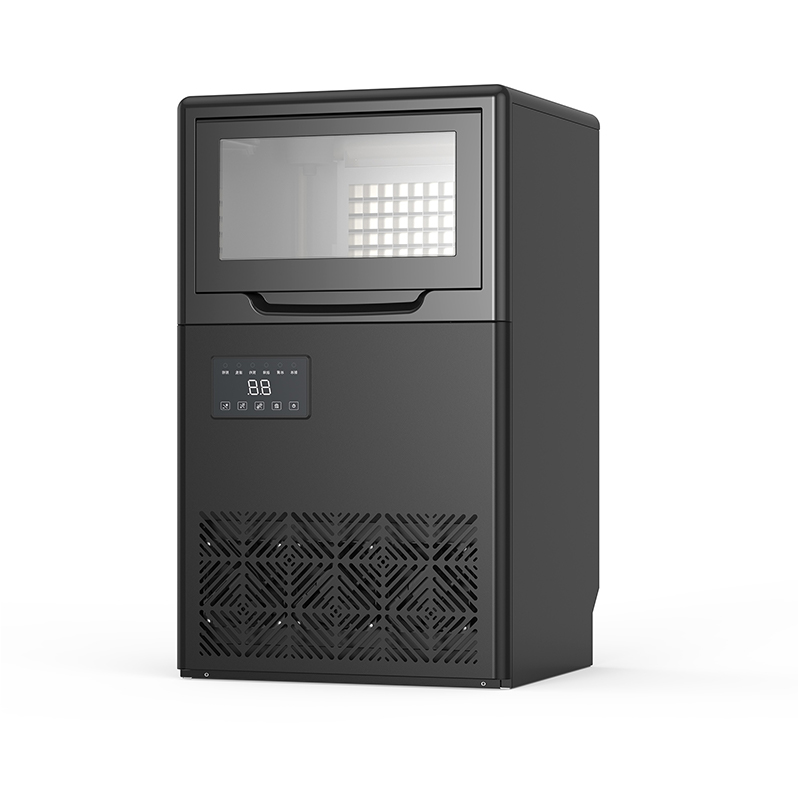
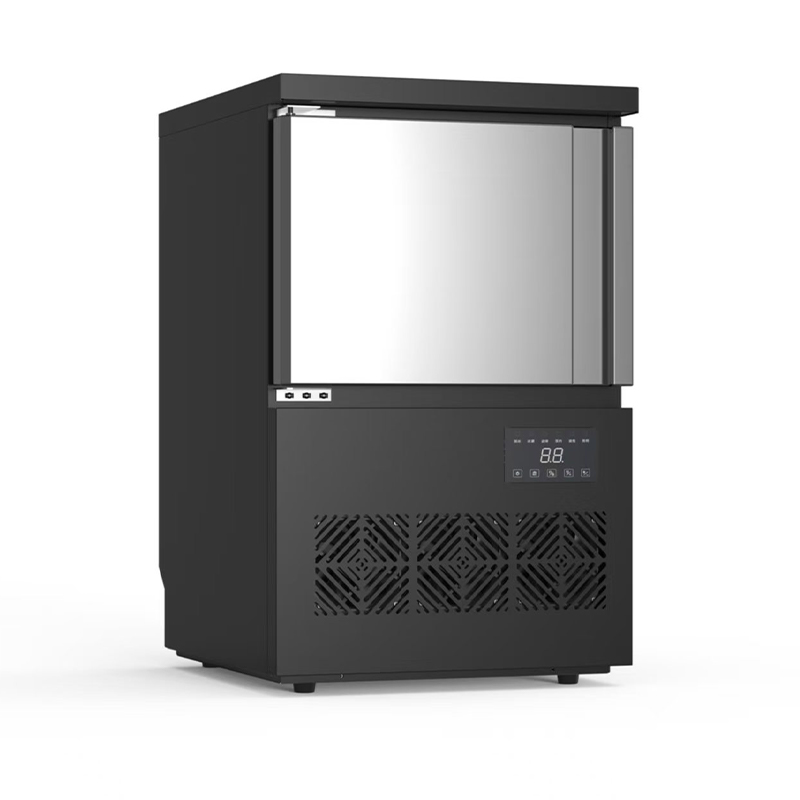
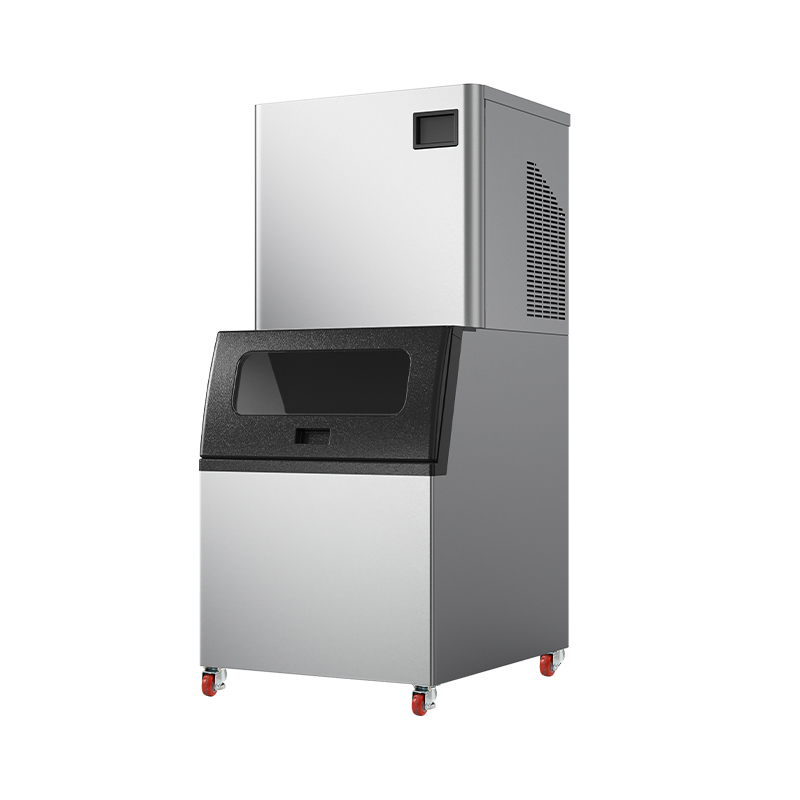
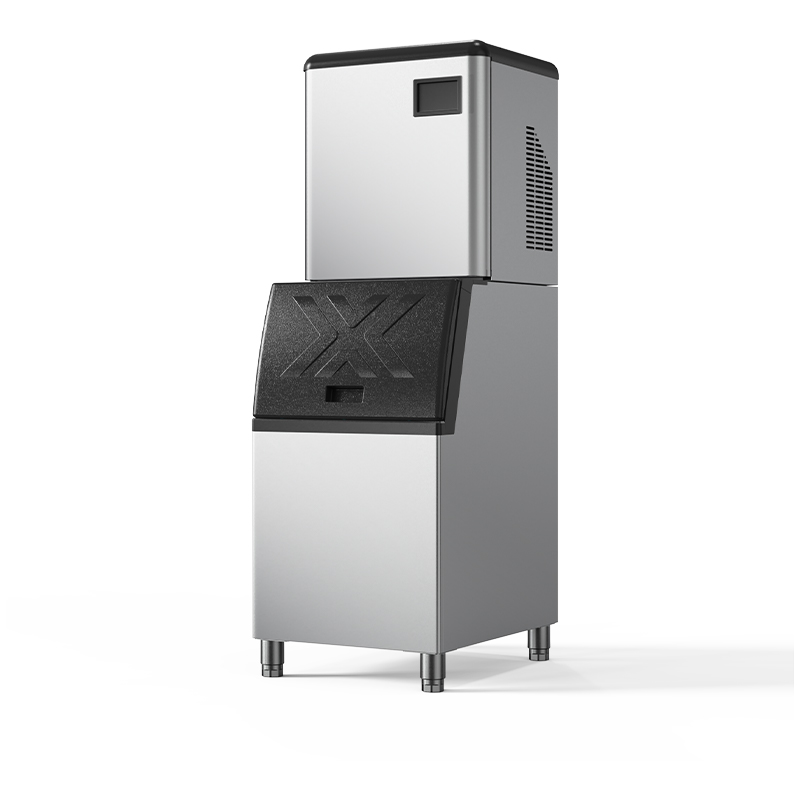
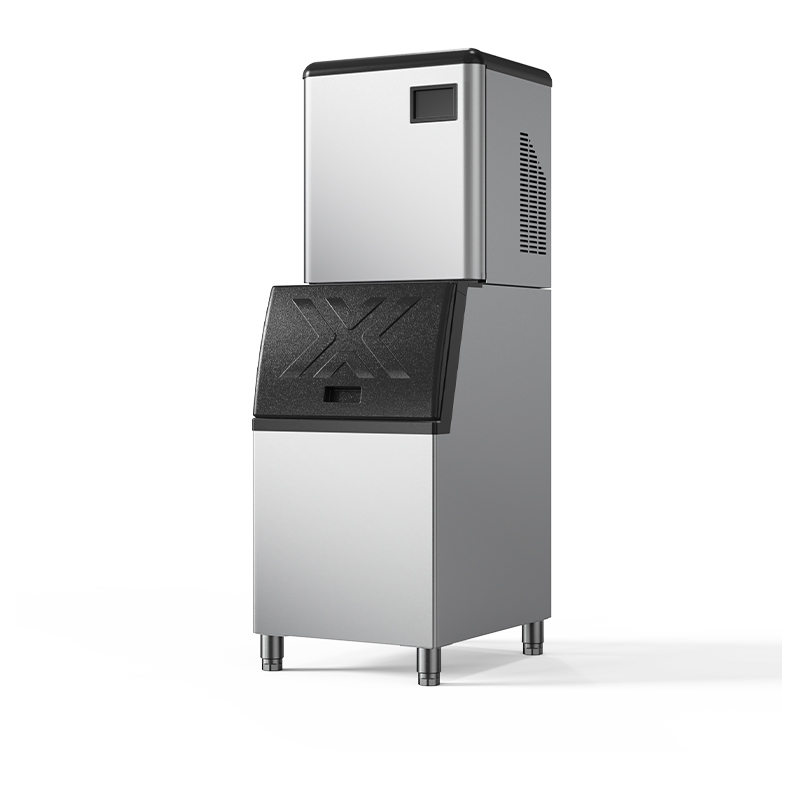
Since ice cravings related to iron deficiency often mean frequent, high-volume ice consumption, having access to a dependable ice maker becomes a practical consideration, both at home and in commercial settings such as cafes, clinics, or offices. An efficient ice maker with consistent filtration and hygienic ice production helps ensure the ice being chewed is clean, even if the underlying craving itself is best addressed through proper iron testing and treatment.

Whether the need is a compact countertop unit for personal use or a higher-capacity commercial ice maker for continuous demand, selecting equipment with reliable filtration and easy maintenance supports safer ice consumption for anyone managing frequent ice cravings while working with a doctor to correct the underlying iron levels.