Industry News Industry News
Home / News & Share / Industry News / Best Ice Cube Maker Guide: How to Choose a Cube Ice Maker

Best Ice Cube Maker Guide: How to Choose a Cube Ice Maker


What Makes the Best Ice Cube Maker

The best ice cube maker is a machine that produces clear, dense, slow-melting cubes consistently, while keeping water and energy consumption low relative to output. In practical terms, a high-quality cube ice maker should deliver at least 90% ice-to-water conversion efficiency, maintain stable cube size and clarity even during peak demand, and require minimal manual intervention for cleaning or descaling. Machines built with stainless steel evaporators, food-grade water systems, and automatic self-cleaning cycles are generally considered top-tier choices for both commercial kitchens and beverage service environments.

Unlike flake or nugget ice, cube ice is prized for its slower melt rate, which keeps beverages cold without diluting flavor too quickly. This makes a reliable cube ice maker essential equipment for bars, restaurants, hotels, and any operation where drink quality and presentation matter.

Beyond raw output numbers, the best-performing units also share a few less obvious traits: quiet compressor operation, a compact footprint relative to production capacity, and construction materials that resist corrosion in humid kitchen environments. Buyers who focus only on daily kilogram output often overlook these secondary factors, only to discover later that noise levels, service accessibility, or plumbing requirements make daily operation more difficult than expected. A truly well-rounded ice cube maker balances output, efficiency, durability, and ease of use in equal measure.

Key Types of Cube Ice Makers

Not all cube ice makers are built the same. Understanding the main categories helps buyers match a machine to their operational needs, since each format is engineered around a different balance of freeze speed, cube density, and storage flexibility.

Full Cube Ice Maker

Produces solid, dense cubes that melt slowly and hold their shape well in mixed drinks. This type is favored by upscale bars and restaurants for premium beverage presentation, as the tight, clear structure of a full cube resists rapid melting even in high-ambient-temperature settings.

Half Cube Ice Maker

Smaller, faster-freezing cubes that cool drinks quickly and are common in fast-service restaurants, cafeterias, and self-service beverage stations. Because half cubes freeze in less time than full cubes, machines producing this shape often achieve a slightly higher daily output using the same compressor size.

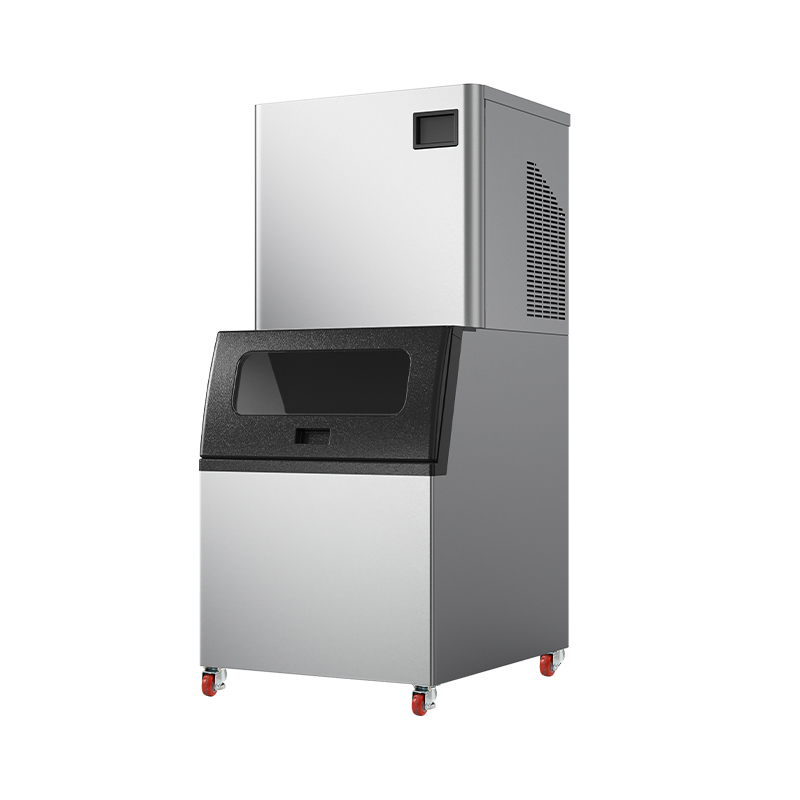
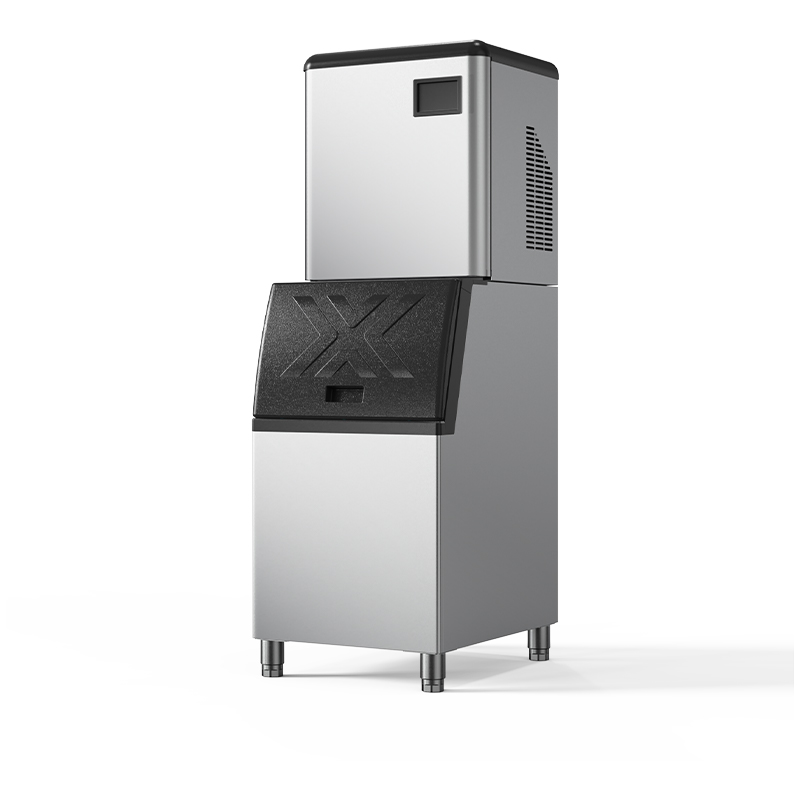
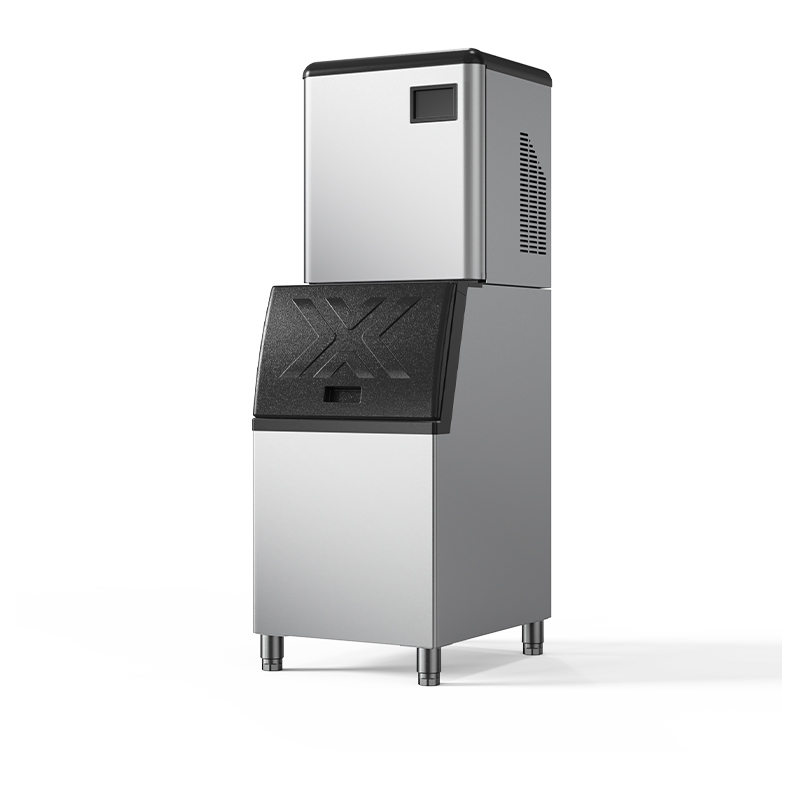
Modular Cube Ice Maker

A standalone ice-making head installed above a separate storage bin, allowing operators to scale storage capacity independently from production capacity — ideal for high-volume commercial kitchens. Modular systems also make future upgrades easier, since the ice-making head can often be replaced or upgraded without changing the storage bin.

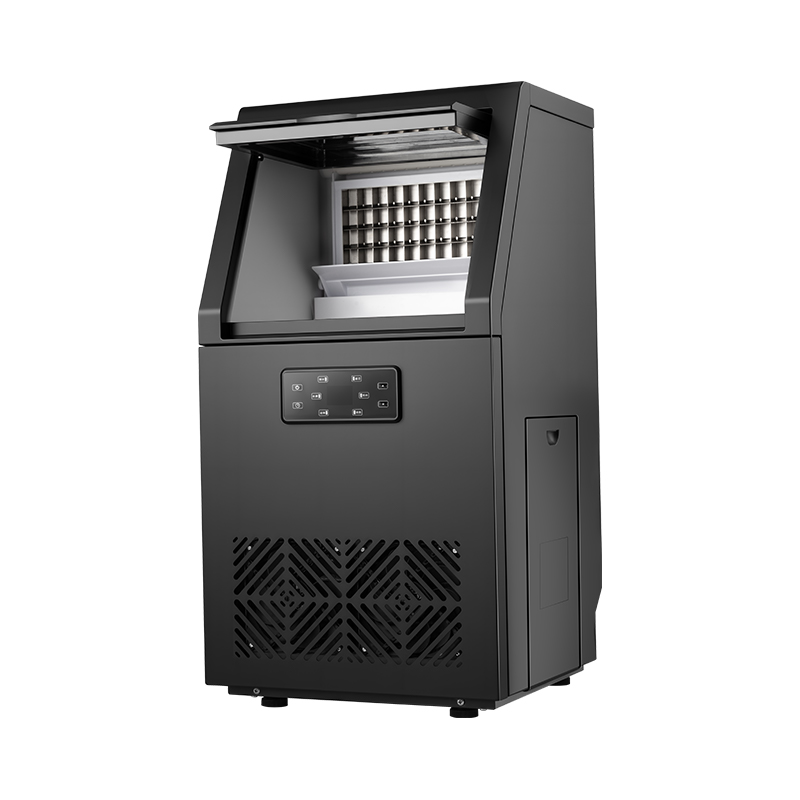
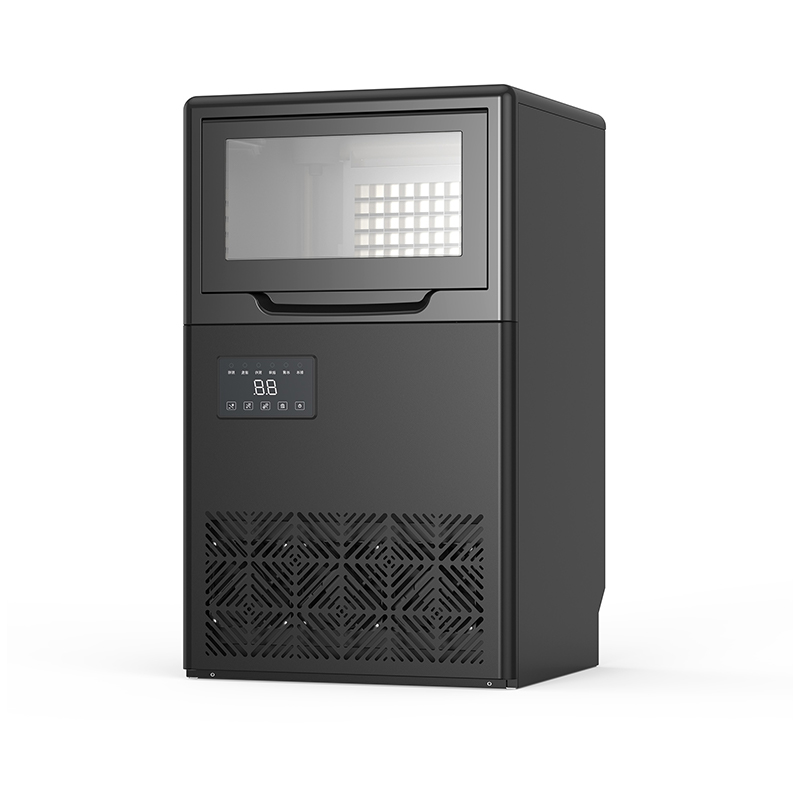
Undercounter Cube Ice Maker

Designed to fit beneath standard counter heights, these compact units combine production and storage in a single cabinet. They are a practical choice for smaller bars, coffee shops, and retail beverage counters where floor space is limited but consistent cube ice supply is still required.

Core Specifications to Compare

When comparing cube ice maker models, focus on the specifications that directly affect daily operating cost and output reliability rather than just the sticker price. Two machines with the same daily output rating can differ significantly in real-world performance depending on water consumption ratios, ambient temperature tolerance, and refrigeration design.

Typical specification ranges for commercial cube ice makers
Specification Light Commercial Heavy-Duty Commercial
Daily Output 50–150 kg 300–1000+ kg
Storage Bin Capacity 15–40 kg 100–500 kg
Water Consumption Ratio 1.2–1.5 L per kg ice 1.1–1.3 L per kg ice
Refrigerant Type R404A / R290 R404A / R507
Freeze Cycle Time 15–20 minutes 10–15 minutes

A well-matched Cube Ice Maker should have a storage bin sized to roughly 30–50% of daily production capacity, preventing both overflow waste and excessive idle time between production cycles. Freeze cycle time is another underrated metric: shorter cycles generally mean the machine recovers faster after heavy usage periods, reducing the risk of running short during peak service hours.

Cube Ice Maker vs Other Ice Shapes

Choosing between a cube, flake, or nugget ice maker depends heavily on the intended use case. While all three formats are technically "ice makers," the internal freezing mechanism, harvest cycle, and output texture differ substantially between them:

  1. Cube ice offers the slowest melt rate and highest clarity, best suited for beverage service.
  2. Flake ice melts faster and molds around products, making it ideal for seafood display and food preservation.
  3. Nugget ice is soft and chewable, popular in healthcare facilities and casual dining chains.
  4. Crescent or half-moon ice offers a middle ground between cube density and faster freeze cycles, sometimes used in high-volume beverage dispensers.

For businesses focused on drink quality, a dedicated ice cube maker remains the preferred solution over multi-purpose machines, since combination units often compromise cube clarity or freeze speed in order to accommodate multiple ice shapes.

Energy and Water Efficiency Considerations

Operating cost is often the deciding factor when businesses evaluate a Cube Ice Maker long-term. Machines with variable-speed compressors and improved heat exchangers can reduce energy consumption by up to 20-25% compared to older fixed-speed models, according to industry equipment testing standards. Air-cooled condensers are generally more water-efficient than water-cooled systems, though they may require more ambient airflow and ventilation space around the unit.

Buyers operating in warmer climates should prioritize models rated for higher ambient temperature tolerance, typically up to 40°C, to avoid significant output drop-off during summer months. It is also worth checking whether the manufacturer publishes independently verified efficiency data, since self-reported figures can vary widely between testing conditions.

Water-cooled condensers, while less common today due to rising water costs, can still be advantageous in regions with low water rates and consistently high ambient temperatures, since they tend to maintain more stable output regardless of external heat. However, most commercial kitchens now favor air-cooled systems for their lower ongoing utility costs and simpler installation requirements.

Commercial Applications of Cube Ice Makers

Bars and Nightclubs

High-volume, fast-recovery cube ice makers keep pace with peak-hour drink orders without running out of ice. In these environments, a short freeze cycle time and a generously sized storage bin are often more important than raw daily output.

Hotels and Resorts

Quiet operation and consistent cube clarity are prioritized, since machines are often placed near guest areas or hallway ice stations. Hotels also tend to favor models with antimicrobial interior linings to maintain hygiene standards across long operating hours.

Restaurants and Cafeterias

Compact under-counter cube ice makers help save floor space while still delivering steady daily output for beverage stations. Many restaurant operators also value simplified front-panel controls that allow staff to monitor ice levels at a glance.

Convenience Stores and Retail Beverage Counters

Smaller-footprint cube ice makers with self-contained storage bins are common in this setting, where consistent daily output matters more than peak-hour surge capacity. Reliability and low maintenance frequency are typically the top priorities here.

Maintenance Tips for Long-Term Performance

Routine maintenance is the single biggest factor in extending the service life of any cube ice maker. Neglected units are far more likely to experience reduced output, cloudy ice, or premature compressor failure, and repair costs from deferred maintenance frequently exceed the cost of routine servicing many times over.

  • Clean and descale the water system every 3–6 months depending on local water hardness.
  • Replace water filters on schedule to prevent mineral buildup on the evaporator plate.
  • Keep condenser coils free of dust to maintain cooling efficiency.
  • Sanitize the storage bin monthly to prevent bacterial buildup in stored ice.
  • Schedule annual professional inspection of refrigerant levels and electrical components.
  • Check door gaskets and bin seals periodically to prevent warm air infiltration that accelerates melting.
  • Keep a maintenance log to track service dates, filter changes, and any recurring issues over time.

Choosing the Right Capacity

Undersized machines are one of the most common mistakes businesses make when purchasing an ice cube maker. A general guideline for estimating daily ice demand:

  • Bars: approximately 1.5 kg of ice per customer per day
  • Restaurants: approximately 1 kg of ice per seat per day
  • Hotels: approximately 1–2 kg of ice per occupied room per day
  • Coffee shops: approximately 0.5–1 kg of ice per beverage transaction per day

Always add a 20% buffer to calculated demand to account for seasonal spikes and equipment downtime during cleaning cycles. Businesses in hot climates or with strong seasonal tourism patterns should consider an even larger buffer, since summer demand can be 30-40% higher than the annual average.

Installation and Space Planning

Proper installation planning prevents many of the performance issues that owners later mistake for equipment defects. A cube ice maker needs adequate clearance around the condenser to allow proper airflow — typically a minimum of 15 cm on all sides and at least 45 cm above the unit for units with top-mounted ventilation.

Water Supply Requirements

Stable water pressure and consistent water quality both affect ice clarity and machine longevity. Installing a dedicated water filtration line ahead of the unit is a common recommendation, particularly in areas with hard or mineral-heavy water supplies.

Drainage and Electrical Considerations

Gravity drainage is preferred where possible, since it reduces the risk of standing water and bacterial growth compared to pump-assisted drainage. Electrical requirements should always be confirmed against local voltage standards before installation to avoid compressor damage from mismatched power supply.

Final Buying Checklist

Before finalizing a purchase, confirm the following points to ensure the selected Cube Ice Maker matches operational requirements:

  1. Daily output matches peak demand plus a reasonable safety margin
  2. Storage bin capacity aligns with usage patterns and service hours
  3. Unit dimensions fit available installation space, including ventilation clearance
  4. Water and energy efficiency ratings are documented by the manufacturer
  5. Warranty coverage and local service support are available
  6. Replacement parts and filters are readily accessible for ongoing maintenance

Taking time to evaluate these factors ensures the chosen cube ice maker delivers reliable performance, lower long-term operating costs, and consistent ice quality for years of daily commercial use. A thoughtful purchase decision today can meaningfully reduce both energy bills and service headaches for the entire lifespan of the equipment.