

 English
  Español
 Industry News
HOME / News & Share / Industry News / How the Ice Machine Refrigeration Cycle Affects Ice Quality and Energy Efficiency
How the Ice Machine Refrigeration Cycle Affects Ice Quality and Energy Efficiency
Sharmoon appreciates your support and sincerely looks forward to cooperating with you for mutual development!
Related Product
-
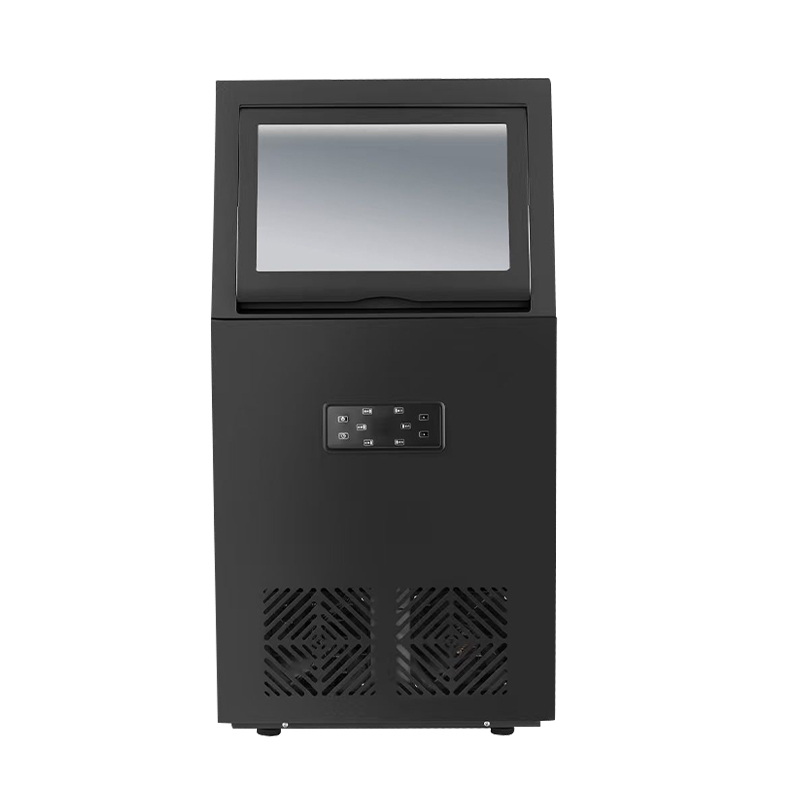
-
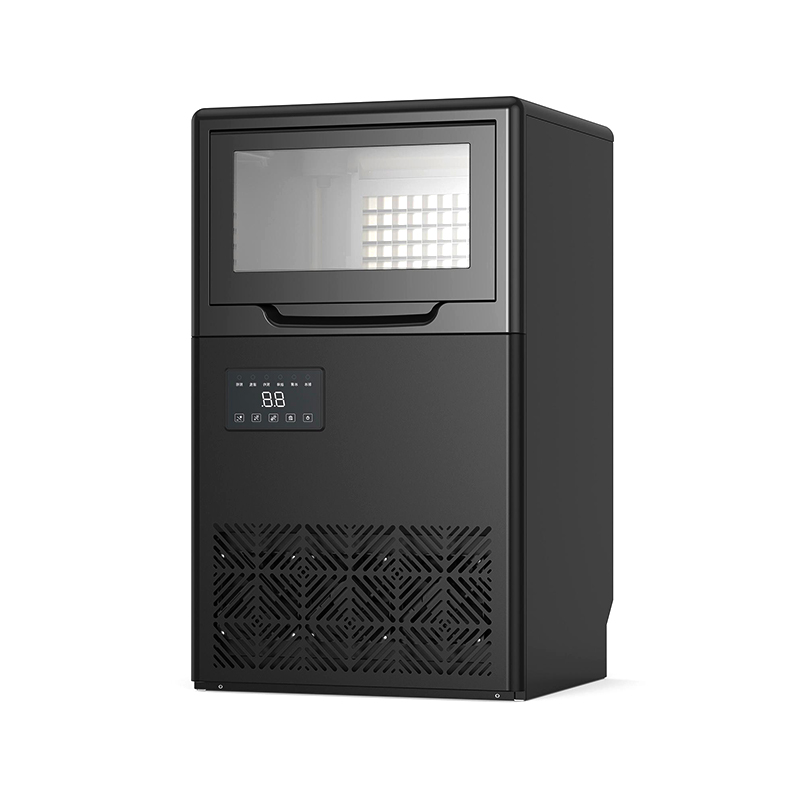
The SMK-72F Cube Ice Machine stands as the flagship product within the SMK series, specifically engi...
+ VIEW MORE -
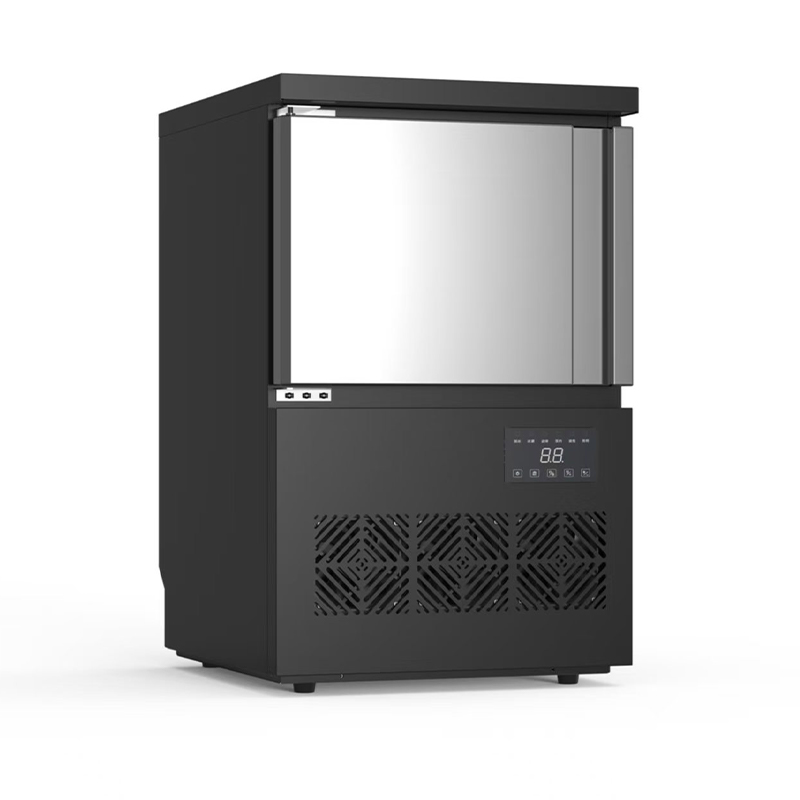
The Spray Cubic Ice Machine is a commercial ice-making equipment that uses spray ice-making technolo...
+ VIEW MORE -
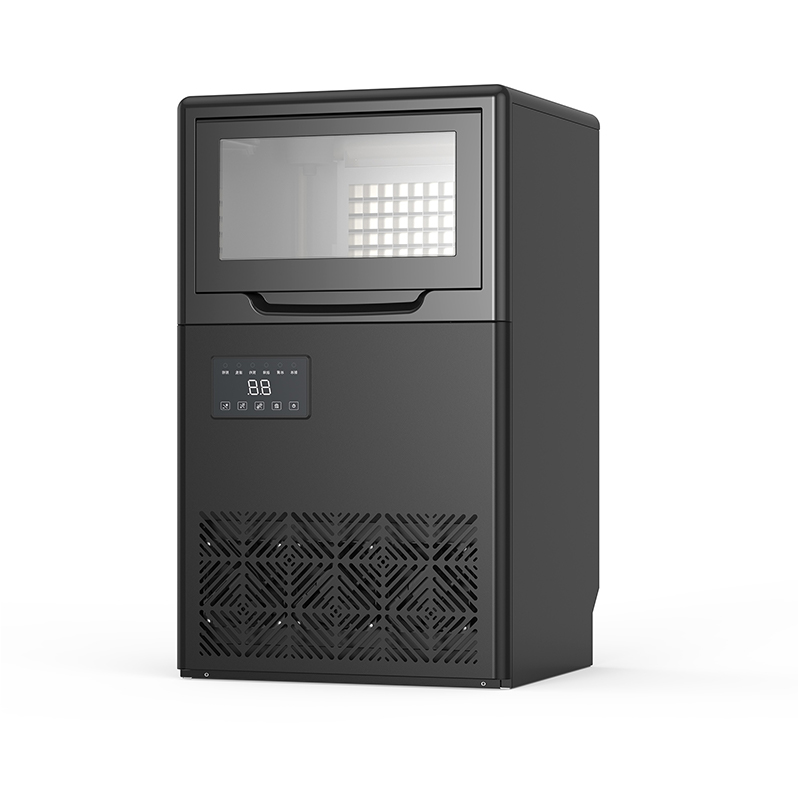
The SMK-91F Heavy-Duty Square Ice Machine is an industrial-grade ice-making solution specifically en...
+ VIEW MORE -
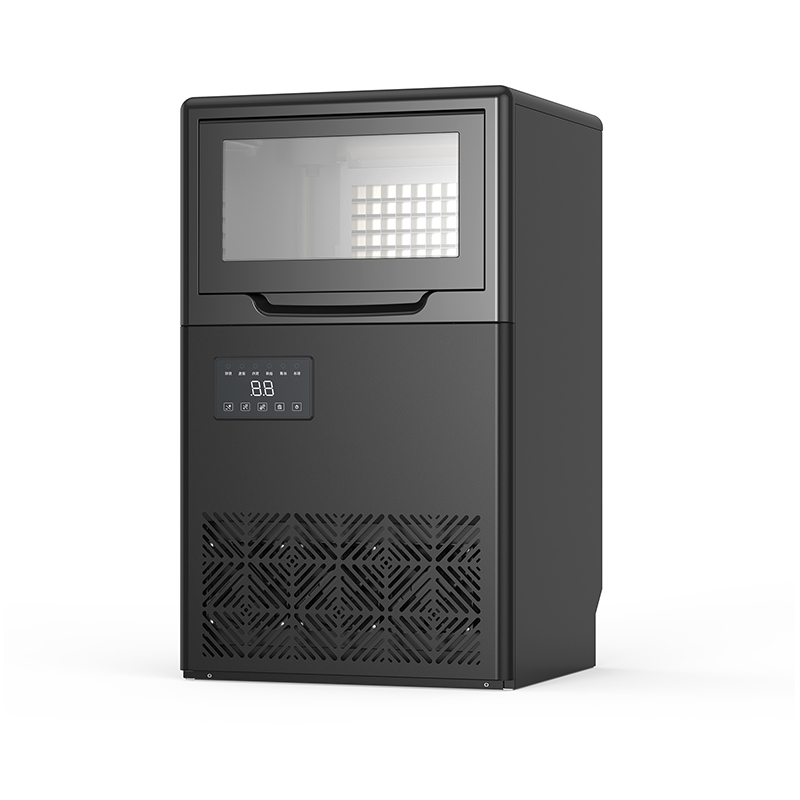
The SMK-84F High-Capacity Cube Ice Machine is an industrial-grade ice-making solution specifically e...
+ VIEW MORE -
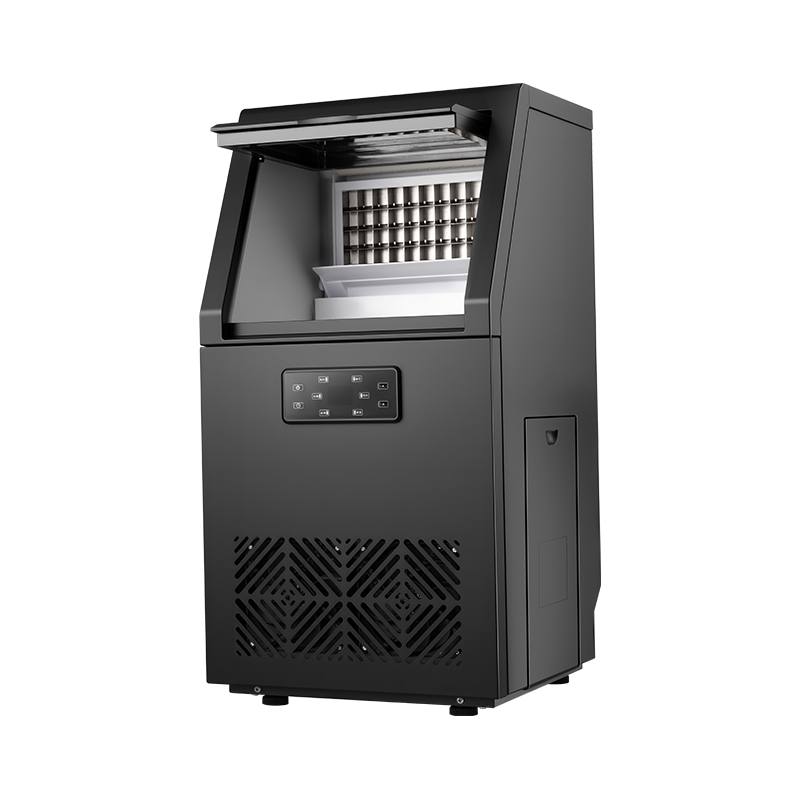
The SMK-60F High-Density Integrated Ice Maker is a highly efficient ice-making solution engineered s...
+ VIEW MORE


Product Categories
Cube Ice Maker Flake Ice Maker Extruded Pellet Ice Maker Split Type Cube Ice Maker Snowflake Ice MakerContact
 [email protected]
 + 86 - 18158466171
 No. 6 Wei'er Road, Xigong District, Xinpu Town, Cixi City, Zhejiang Province, China
Copyright © Cixi City Sharmoon Electric Co., Ltd. All Rights Reserved
Custom commercial ice machine outdoor Manufacturer
OEM/ODM commercial ice machine company
