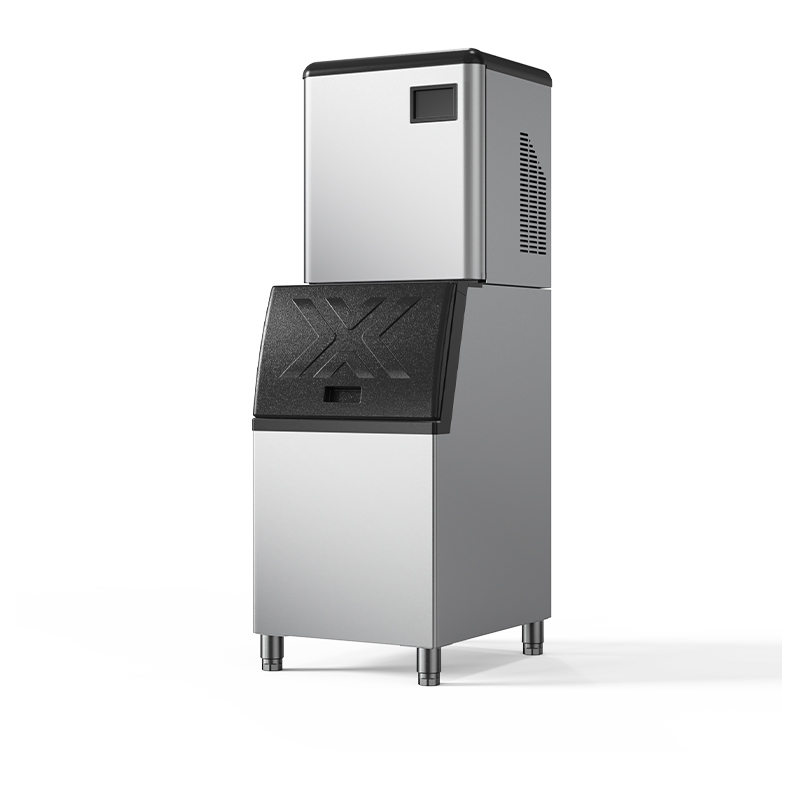
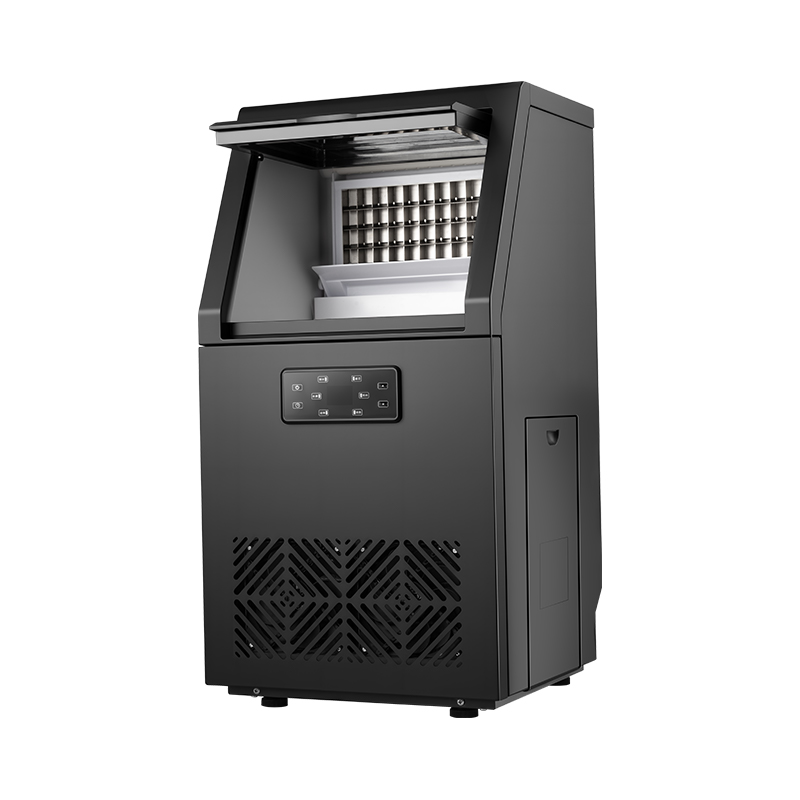
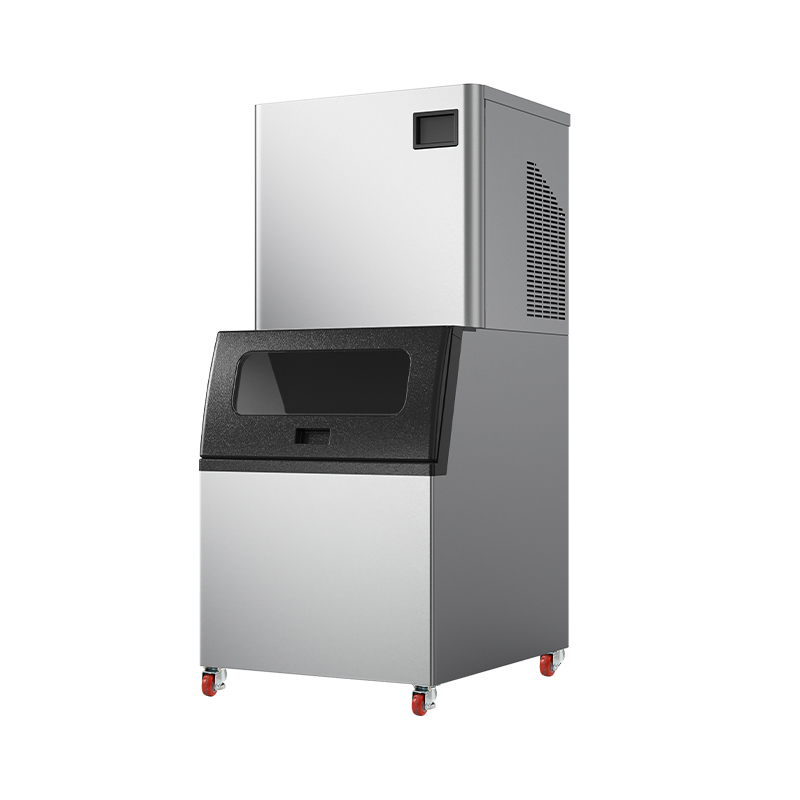
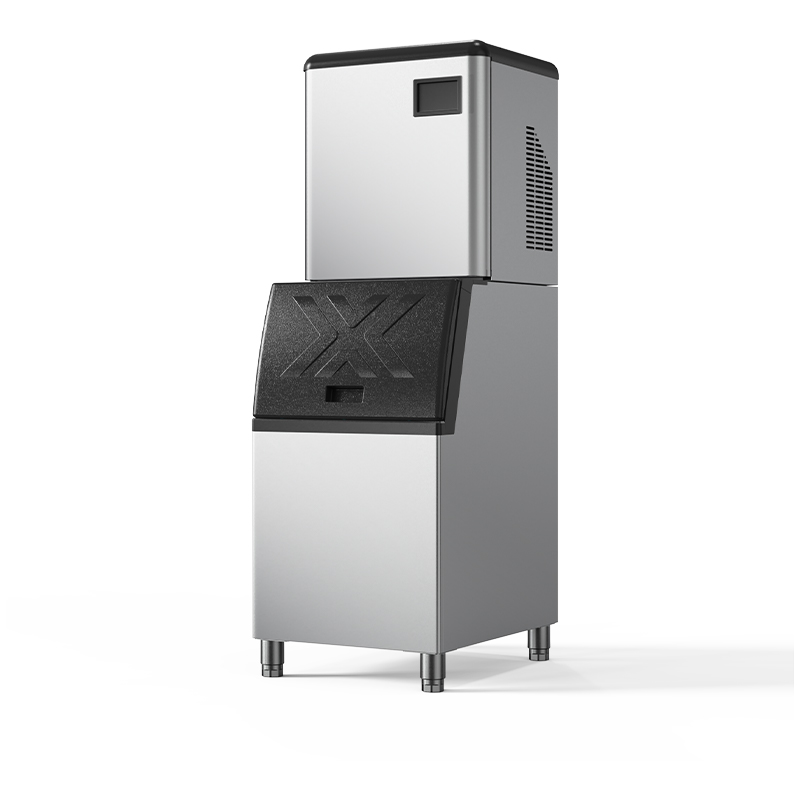
SMK-156 for High-Capacity Cube Ice Maker— A Commercial Flagship and Production Powerhouse
+ VIEW MORE

Industry News
Sharmoon appreciates your support and sincerely looks forward to cooperating with you for mutual development!
Before diving into selection criteria, here is the direct answer: the best extruded pellet ice maker for your needs depends on your daily ice output requirement, available space, intended use environment (commercial vs. residential), and budget — but output capacity and nugget ice quality are the two factors that should drive your decision above all others.
An extruded pellet ice maker — also commonly called a nugget ice maker or chewable ice machine — works by freezing water into a continuous sheet, then forcing (extruding) it through a die plate to create small, cylindrical or irregular pellet shapes. The resulting ice is softer, more porous, and easier to chew than traditional cube ice, which is why it is enormously popular in healthcare settings, foodservice, and home use among ice enthusiasts.
The global commercial ice machine market was valued at approximately $3.2 billion in 2023, with nugget and pellet ice segments growing faster than cube ice owing to rising demand in hospitals, fast food chains, and residential kitchens. Understanding what separates a high-performing extruded pellet ice maker from a mediocre one can save you thousands of dollars and years of frustration.
The extrusion process is fundamentally different from the way cube ice makers operate. In a conventional cube machine, water fills individual molds and freezes from the outside in. In an extruded pellet system, water is continuously fed over a cylindrical evaporator. The resulting ice sheet is scraped off and pushed through a die, producing consistent pellets or nuggets.
Understanding these internals helps you ask the right questions when comparing models and ensures you are not swayed purely by marketing language.
Daily production capacity, measured in pounds (lbs) or kilograms (kg) per 24 hours, is the single most important number to match against your actual usage. Undersizing leads to ice shortages during peak demand; oversizing wastes energy and space.
| Use Case | Recommended Daily Output | Typical Machine Class |
|---|---|---|
| Home / countertop personal use | 20–50 lbs (9–23 kg) | Countertop residential |
| Small café or office break room | 50–150 lbs (23–68 kg) | Light commercial undercounter |
| Restaurant or fast casual dining | 200–500 lbs (91–227 kg) | Commercial modular head |
| Hospital or large healthcare facility | 500–1,000+ lbs (227–454+ kg) | High-capacity commercial |
A practical rule of thumb used by commercial kitchen designers: plan for 1.5× your average daily demand to accommodate peak periods such as lunch rushes, summer heat, or large gatherings. Manufacturers typically rate output at 70°F (21°C) ambient air and 50°F (10°C) water temperature — real-world output in warmer conditions can be 10–20% lower.
Extruded pellet ice makers come in three primary physical configurations, each suited to different environments and space constraints.
Countertop extruded pellet ice makers are compact units designed for placement on kitchen counters, office desks, or bar tops. They typically produce 26–44 lbs (12–20 kg) per day and include a small built-in storage bin. Installation requires only a power outlet and, in most cases, a water line or manual refill. These are ideal for home use, dorm rooms, RVs, and small offices. Dimensions generally range from 12–16 inches wide and 14–18 inches deep, making them genuinely portable.
Undercounter units fit beneath a standard 34–36 inch countertop and include an integrated storage bin. They typically produce 80–250 lbs (36–113 kg) per day. These are common in bars, small restaurants, hotel rooms, and offices with moderate daily demand. They offer a cleaner aesthetic than freestanding machines while delivering substantially more output than countertop models. Most require a direct plumbed water line and a drain.
Modular ice machine heads are designed to sit on top of a separately purchased storage bin or ice and water dispenser. They are the workhorses of the commercial world, often producing 300–1,000+ lbs (136–454+ kg) per day. The separation of the ice-making head from the storage bin allows for flexible bin sizing. For high-volume healthcare, hospitality, or foodservice operations, modular systems are almost always the correct choice.
The condenser type affects energy consumption, water usage, installation requirements, and performance in different ambient conditions. Air-cooled models account for approximately 80% of commercial ice machine sales due to their ease of installation and lower operating costs in most environments.
For most buyers — residential through medium commercial — an air-cooled extruded pellet ice maker installed in a properly ventilated space is the most cost-effective and practical choice.
Energy efficiency in ice makers is measured by the Energy Efficiency Ratio (EER) or by kilowatt-hours consumed per 100 lbs of ice produced (kWh/100 lbs). The lower the kWh/100 lbs figure, the more efficient the machine.
| Machine Class | Typical kWh per 100 lbs Ice | Monthly Energy Cost (Est.) |
|---|---|---|
| Countertop (30 lbs/day) | 7–10 kWh | $4–$8 |
| Undercounter (150 lbs/day) | 5–8 kWh | $20–$40 |
| Commercial modular (500 lbs/day) | 4–6 kWh | $60–$120 |
Look for machines certified by ENERGY STAR, which typically consume at least 15% less energy than the minimum federal standard. In a commercial setting, an ENERGY STAR-certified extruded pellet ice maker can save $50–$200 per year in electricity compared to non-certified equivalents. Over a 7–10 year service life, those savings accumulate to meaningful sums that should factor into your total cost of ownership calculation.
Water consumption matters too. Most extruded pellet ice makers use 15–30 gallons of water per 100 lbs of ice produced (inclusive of ice plus water discarded during harvesting). High-efficiency models approach the lower end of this range, which reduces both water costs and drain infrastructure requirements.
Not all pellet ice is created equal. The quality of the ice produced by an extruded pellet ice maker affects drink dilution rates, patient care outcomes (in healthcare), blender performance, and customer satisfaction.
Extruded pellet ice is inherently softer than cube or crescent ice because air is trapped within its porous structure during the extrusion process. The hardness can vary by model: machines that produce denser, harder pellets are preferred in blended beverages for better crushing performance, while softer pellets are preferred in healthcare for patient chewing safety and in cocktails for slower melt rates. Look for machines that specify ice hardness or compaction percentage — softer nugget ice typically has 20–30% trapped air, while harder variants may have less than 10%.
Pellet diameter and length directly affect how the ice fills a cup, how quickly it melts, and how well it dispenses through automated systems. Standard nugget ice typically measures 0.75–1.25 inches (19–32 mm) in length. Machines with worn or poorly designed die plates produce inconsistent shapes that cause dispensing jams and uneven beverage performance. Ask manufacturers about pellet size tolerances and die plate replacement intervals.
The minerals and impurities in your water supply directly affect ice taste, appearance, and the long-term health of your machine. Scale buildup from hard water is the leading cause of premature ice machine failure. A water hardness above 15 grains per gallon (gpg) typically requires a dedicated filtration or water softening system. Many extruded pellet ice maker manufacturers offer proprietary filter cartridges — factor replacement filter costs (typically $30–$80 every 6 months) into your annual operating budget.
Ice is classified as a food by the FDA, and commercial ice machines must meet stringent sanitation standards. NSF/ANSI Standard 12 is the benchmark certification for commercial ice machine hygiene, covering materials in contact with ice, cleanability, and design requirements that prevent contamination.
When evaluating an extruded pellet ice maker, prioritize the following sanitation features:
In healthcare environments, choose only machines with NSF/ANSI 12 and NSF/ANSI 372 (lead-free) certifications. Some facilities additionally require UL or ETL safety listings as a condition of procurement.
Extruded pellet ice makers generate noise from compressors, fans, water pumps, and the extrusion mechanism. Residential and light commercial models typically operate at 45–55 dB(A), roughly comparable to a quiet office environment or a running refrigerator. Heavy commercial units can reach 60–65 dB(A) — similar to normal conversation level — which may be disruptive in quiet settings such as hotel rooms, patient waiting areas, or home offices.
If noise is a concern, look for machines marketed with vibration-dampened compressor mounts, low-noise fan blades, and rotary compressors. For particularly noise-sensitive environments, a remote-cooled configuration that keeps the compressor and condenser outside the occupied space is the most effective solution.
Proper installation is essential for reliable performance and warranty compliance. Before purchasing an extruded pellet ice maker, verify the following in your installation space:
Most ice makers require a cold water supply line with 20–80 PSI water pressure and a 3/8-inch or 1/2-inch inlet connection. Incoming water temperature should ideally be below 70°F (21°C) for rated output. Higher water temperatures reduce ice production rates significantly — a machine rated at 400 lbs/day at 50°F water may only produce 320 lbs/day at 70°F water.
All ice makers require a floor drain or standpipe drain connection. Gravity drains must have a minimum 1/4-inch drop per foot to function reliably. Some locations require drain pumps if a gravity drain is not accessible — budget $100–$300 for a quality drain pump if needed. Ensure the drain line is properly air-gapped per local plumbing codes to prevent backflow contamination.
Countertop residential models typically run on standard 115V / 15A circuits. Larger undercounter and commercial models usually require a dedicated 115V / 20A or 230V / 15–30A circuit. Always verify the machine's nameplate amperage against your available electrical service — running a commercial ice maker on an undersized circuit is a fire hazard and voids the warranty.
The purchase price of an extruded pellet ice maker is just one component of its true cost. A commercial ice machine can consume 2–3× its purchase price in maintenance, energy, and water costs over a 10-year life. Buyers who factor in total cost of ownership make significantly better purchasing decisions.
Machines from manufacturers with strong parts availability networks, clear service manuals, and widespread authorized service centers cost meaningfully less to maintain over their lifespans than those from manufacturers with limited support infrastructure.
Warranty terms vary dramatically between manufacturers and model tiers. A robust warranty is a signal of manufacturing confidence; a thin warranty should raise questions about long-term reliability.
| Component | Good Warranty Coverage | Typical Minimum |
|---|---|---|
| Parts (general) | 3–5 years | 1 year |
| Compressor | 5–7 years | 2 years |
| Evaporator / sealed system | 5–7 years | 3 years |
| Labor | 1–2 years | 90 days |
Pay close attention to warranty exclusions. Most warranties are voided by: use of non-approved water filtration, installation in environments exceeding the rated ambient temperature range, failure to perform documented preventive maintenance, and use of third-party replacement parts. Registering your product immediately after purchase and keeping service records protects your warranty rights.
The ideal extruded pellet ice maker differs meaningfully depending on your specific application. Here is how selection criteria shift by use case:
Nugget ice is the preferred ice type in hospitals and rehabilitation centers because its soft, chewable texture is safer for patients with swallowing difficulties. Key priorities: NSF-certified sanitation, antimicrobial components, easy-access dispensing to minimize hand contact with ice, and high reliability to ensure continuous availability. Many healthcare facilities also require compliance with Joint Commission infection control standards and prefer dispensers over open-bin designs.
Bars, restaurants, and hotels prioritize high output, consistent ice quality for beverages, and durability under continuous heavy use. Remote-cooled or water-cooled options may be preferable in hot kitchens. Look for models with quick-connect auger replacement to minimize downtime during peak service periods. Self-contained dispensers are popular in hotel guest corridors where staff supervision is limited.
Home buyers prioritize quiet operation, compact footprint, ease of installation, and the quality of chewable nugget ice for everyday drinking. Countertop models that connect directly to a water line (rather than requiring manual refills) offer the best balance of convenience and output for most households. Self-contained units with built-in water reservoirs are the simplest to install — just plug in and fill — but must be refilled manually and typically produce less than 30 lbs per day.
Extruded pellet ice maker prices span a wide range, and understanding what each price tier delivers helps set realistic expectations.
Do not select an ice maker based on purchase price alone. A $400 residential model used for light-duty home purposes and properly maintained can outlast a $600 model pushed beyond its rated capacity in a busy office. Match the machine's rated capacity and duty cycle to your actual usage pattern.
Use this checklist when comparing extruded pellet ice maker models to ensure you have covered all the critical decision points:
Answering these questions before making a purchase puts you in a strong position to select an extruded pellet ice maker that delivers reliable, high-quality nugget ice for years to come — matched precisely to your environment, your volume, and your budget.
SMK-156 for High-Capacity Cube Ice Maker— A Commercial Flagship and Production Powerhouse
+ VIEW MORE
The SMK-24F Full-Cube Undercounter Ice Maker is a fully automated ice-making unit meticulously desig...
+ VIEW MORE
The SMK-32F Smart Integrated Commercial Ice Maker is a highly efficient ice-making device specifical...
+ VIEW MORE
The SMK-260 FRO High-Yield Cube Ice Maker is a split-system ice machine specifically engineered for ...
+ VIEW MORE
The SMK-182 FRO Stainless Steel Cube Ice Maker is a split-system square ice maker specifically engin...
+ VIEW MORE
SMK-EA 50 FRO Dual-Core Indoor Nugget Ice Maker— The Barista's Ally, A Powerhouse of Efficiency
+ VIEW MORESend us your requirements and we will reply within 24 hours.

Product Categories
Cube Ice Maker Flake Ice Maker Extruded Pellet Ice Maker Split Type Cube Ice Maker Snowflake Ice MakerContact
[email protected]
+ 86 - 18158466171
No. 6 Wei'er Road, Xigong District, Xinpu Town, Cixi City, Zhejiang Province, China
English
Español