

 English
  Español
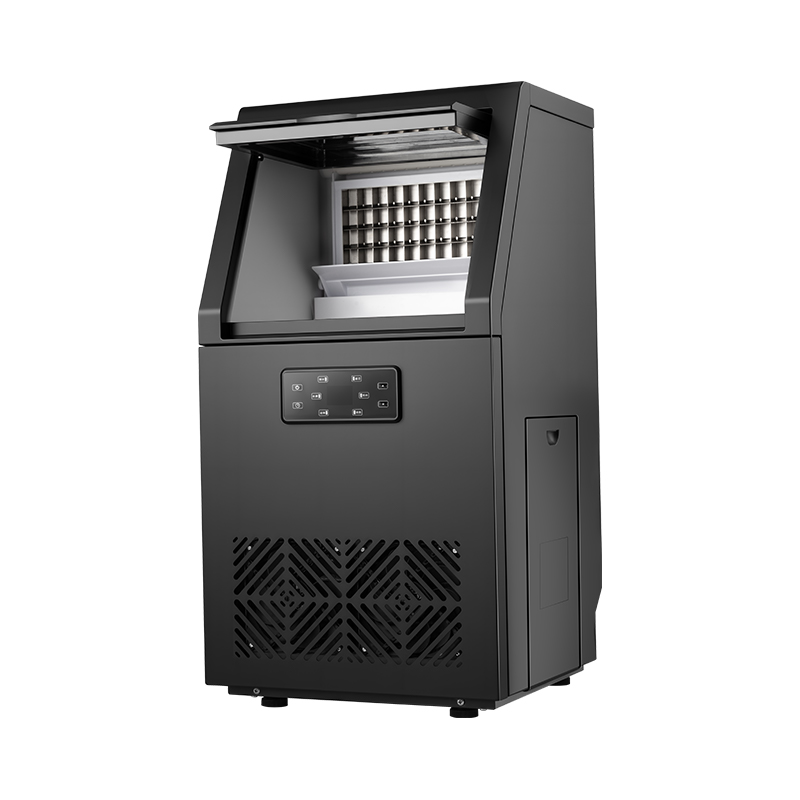
 The SMK-24F Full-Cube Undercounter Ice Maker is a fully automated ice-making unit meticulously desig...
+ VIEW MORE
 Industry News
HOME / News & Share / Industry News / How a Slow Melting Ice Maker Helps Reduce Ice Waste and Operating Costs
How a Slow Melting Ice Maker Helps Reduce Ice Waste and Operating Costs
Sharmoon appreciates your support and sincerely looks forward to cooperating with you for mutual development!
Related Product
-
-
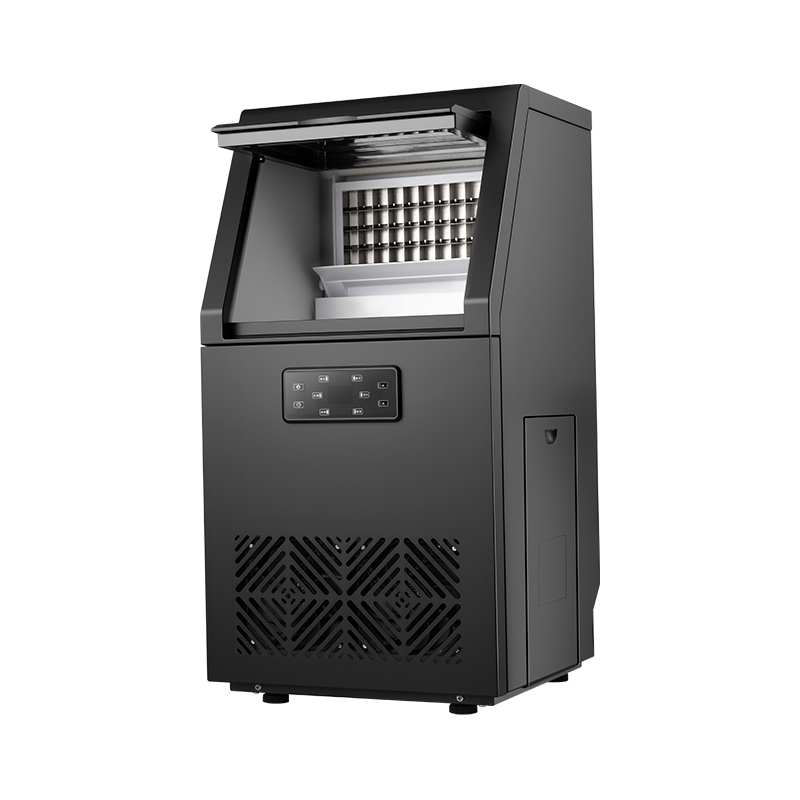
The SMK-32F Smart Integrated Commercial Ice Maker is a highly efficient ice-making device specifical...
+ VIEW MORE -
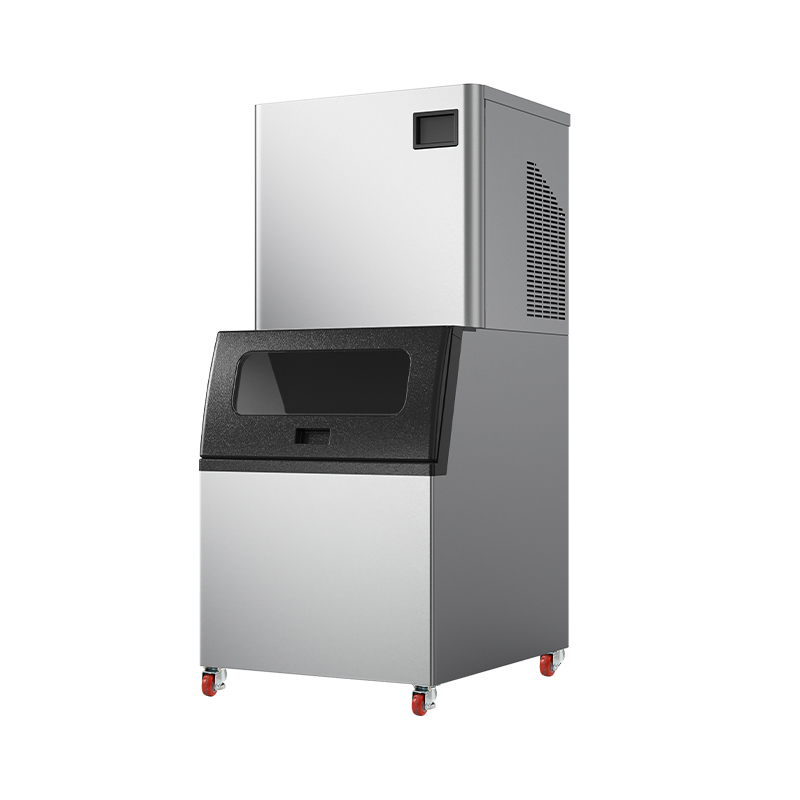
The SMK-260 FRO High-Yield Cube Ice Maker is a split-system ice machine specifically engineered for ...
+ VIEW MORE -
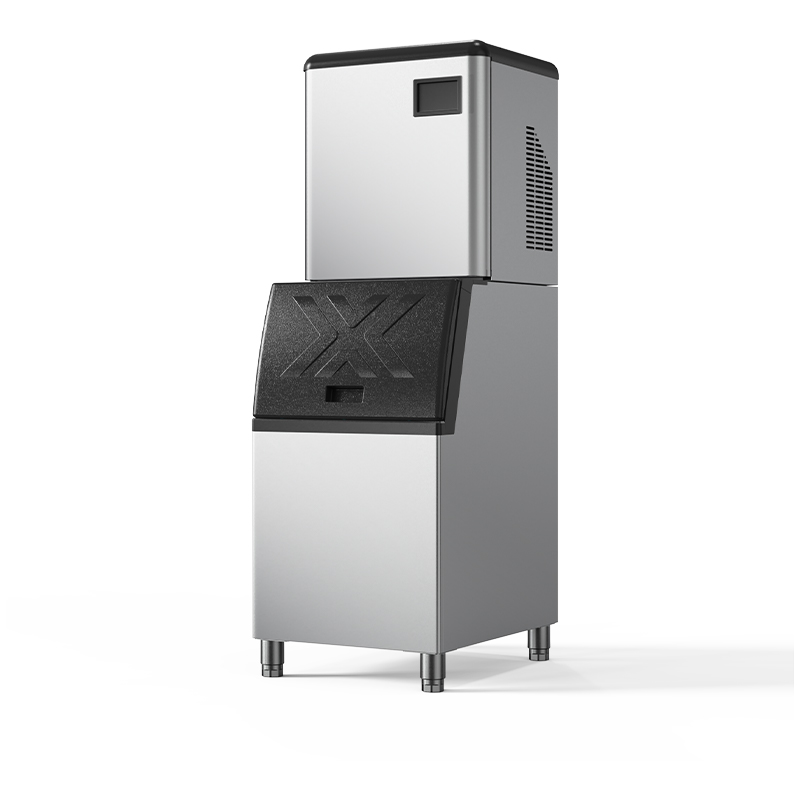
The SMK-182 FRO Stainless Steel Cube Ice Maker is a split-system square ice maker specifically engin...
+ VIEW MORE -
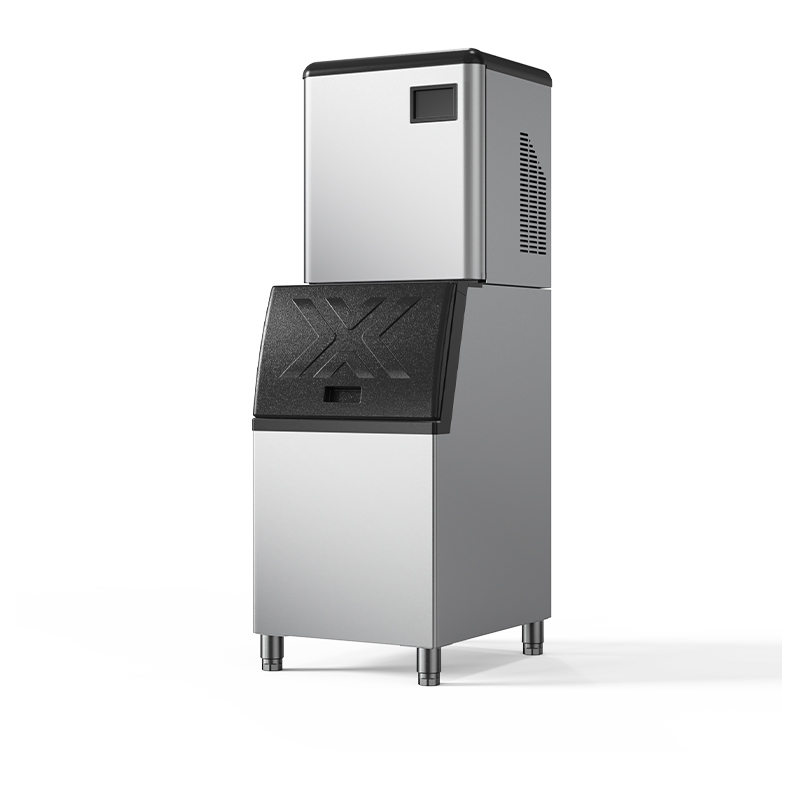
SMK-156 for High-Capacity Cube Ice Maker— A Commercial Flagship and Production Powerhouse
+ VIEW MORE -
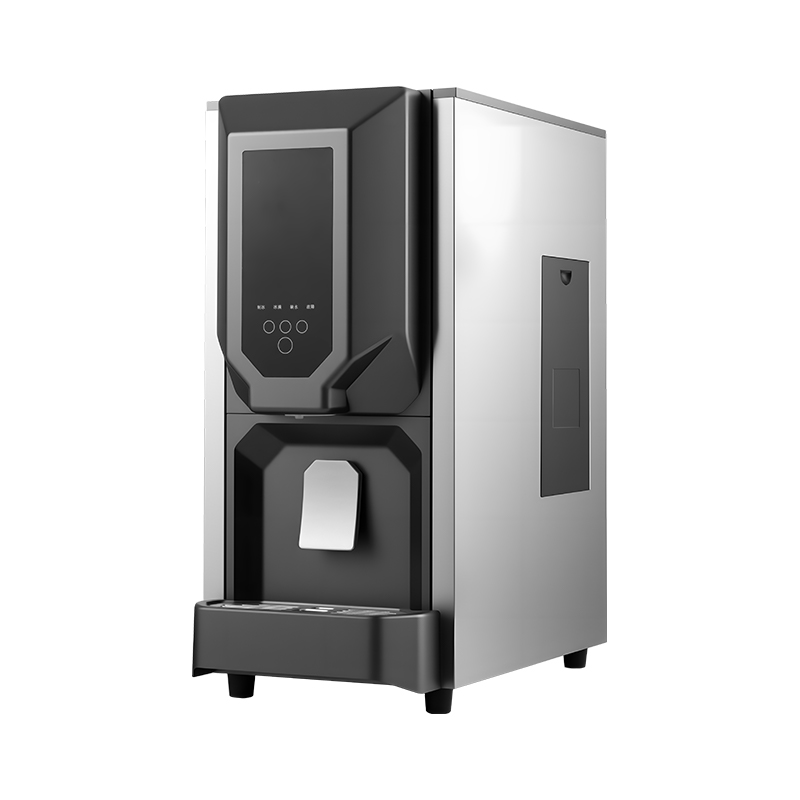
SMK-EA 50 FRO Dual-Core Indoor Nugget Ice Maker— The Barista's Ally, A Powerhouse of Efficiency
+ VIEW MORE


Product Categories
Cube Ice Maker Flake Ice Maker Extruded Pellet Ice Maker Split Type Cube Ice Maker Snowflake Ice MakerContact
 [email protected]
 + 86 - 18158466171
 No. 6 Wei'er Road, Xigong District, Xinpu Town, Cixi City, Zhejiang Province, China
Copyright © Cixi City Sharmoon Electric Co., Ltd. All Rights Reserved
Custom commercial ice machine outdoor Manufacturer
OEM/ODM commercial ice machine company
