Industry News Industry News
Home / News & Share / Industry News / Main Components of a Modular Ice Maker and How Each Part Works

Main Components of a Modular Ice Maker and How Each Part Works


Sharmoon appreciates your support and sincerely looks forward to cooperating with you for mutual development!

A modular ice maker is a flexible, scalable cooling system widely used in commercial and industrial scenarios, composed of several core components that work together to ensure efficient, stable ice production. Each part has a unique function, and their coordinated operation is the key to the machine’s performance.
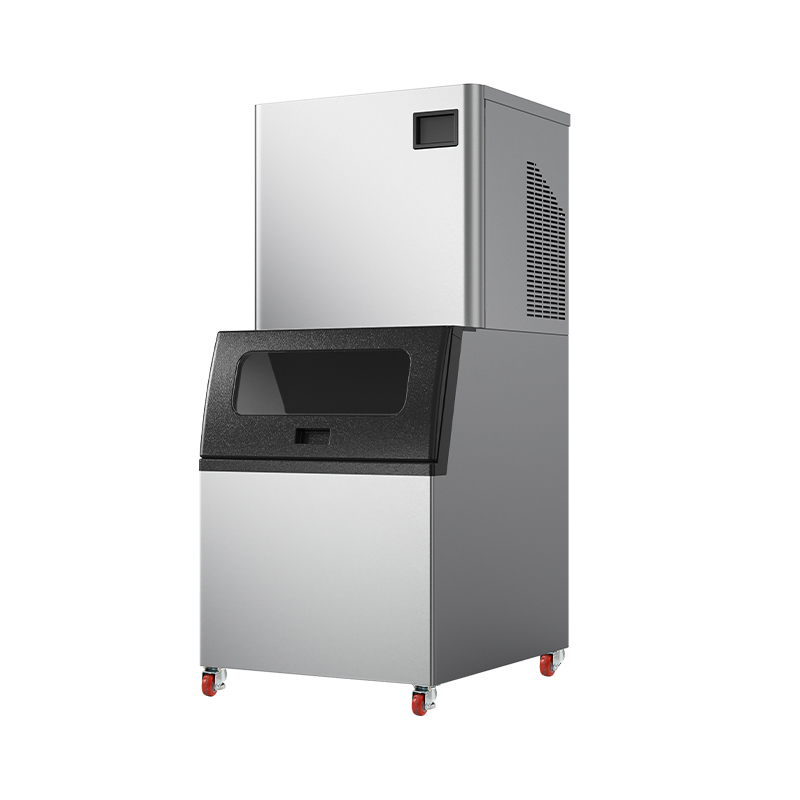
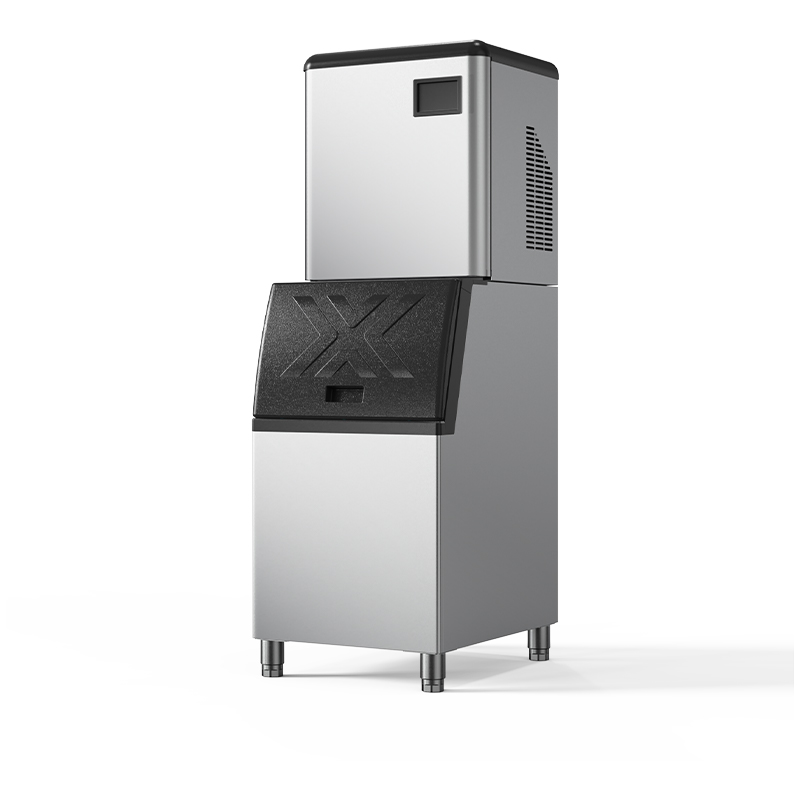
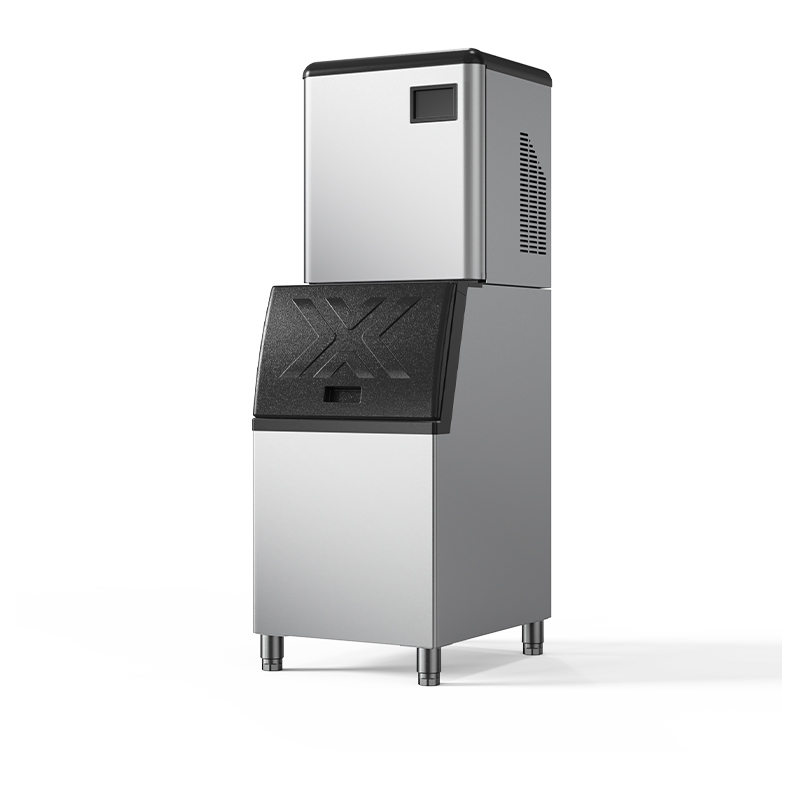
Unlike integrated ice makers, modular models separate the ice-making unit from the storage bin, allowing for customized combinations based on production needs. Below are the main components and their working principles:

1. Ice-Making Head (Evaporator Module)

As the core ice-forming component, the ice-making head houses the evaporator, which is closely connected to the refrigeration system. Its working principle: Low-pressure refrigerant flows through the evaporator coils, absorbing heat from the water sprayed on the coils. This heat absorption causes the water to freeze gradually on the coil surface, forming ice cubes (or other shapes, depending on the evaporator design). Once the ice reaches the preset thickness, the system triggers defrosting to release the ice into the storage bin.

2. Condenser

The condenser is a key part of the refrigeration cycle, responsible for releasing heat absorbed by the refrigerant. It is usually installed near the ice-making head or as an independent module. Working principle: High-temperature, high-pressure refrigerant vapor from the compressor enters the condenser, where it exchanges heat with the surrounding air (air-cooled) or water (water-cooled). The refrigerant cools down and condenses into a liquid, ready for the next cycle of evaporation and heat absorption.

3. Compressor

Known as the “heart” of the modular ice maker, the compressor drives the circulation of refrigerant in the system. Working principle: It sucks in low-pressure, low-temperature refrigerant vapor from the evaporator, compresses it into high-temperature, high-pressure vapor, and delivers it to the condenser. This compression process provides the power required for the entire refrigeration cycle, directly affecting ice production speed and energy efficiency.

4. Expansion Device (Expansion Valve/Capillary Tube)

Installed between the condenser and the evaporator, the expansion device regulates refrigerant flow and pressure. Working principle: It throttles the high-pressure liquid refrigerant from the condenser, reducing its pressure and temperature rapidly. The cooled, low-pressure refrigerant then enters the evaporator to absorb heat and complete the ice-forming process. Precise regulation ensures stable ice quality and efficient operation.

5. Storage Bin

As an independent modular component, the storage bin is used to store ice cubes and prevent premature melting. It is equipped with insulation layers and temperature sensors. Working principle: After ice is released from the ice-making head, it falls into the storage bin. The insulation layer maintains a low temperature inside the bin, while the sensor monitors the ice level—when the ice reaches the preset height, the ice-making head stops working to avoid overflow; when the ice level drops, it restarts automatically.

6. Control System

The control system is the “brain” of the modular ice maker, integrating sensors, controllers, and operation panels. Working principle: It monitors key parameters (ice thickness, refrigerant pressure, storage bin ice level, water temperature) in real time, automatically adjusting the operation of the compressor, expansion valve, and ice-making head. It also enables manual settings (ice production speed, ice thickness) and fault alarms, ensuring safe and intelligent operation.

In summary, the modular ice maker’s components work in close coordination: the compressor provides power, the condenser releases heat, the expansion device regulates pressure, the ice-making head forms ice, the storage bin preserves ice, and the control system ensures stability. This modular design not only enhances flexibility but also makes maintenance and replacement of individual components more convenient.