Industry News Industry News
Home / News & Share / Industry News / Home Ice Cube Maker Machine: How It Works & What to Buy

Home Ice Cube Maker Machine: How It Works & What to Buy


What Is a Home Ice Cube Maker Machine? The Direct Answer

A home ice cube maker machine is a compact, self-contained appliance that produces solid ice cubes on demand, without needing a plumbed water line or a built-in freezer. Water is pumped from an internal reservoir over a refrigerated evaporator plate or into individual ice molds; once the water freezes into cube shape, the machine releases the cubes into a storage bin, and the cycle repeats automatically. Most countertop models can produce a first batch of ice in 6 to 12 minutes and continue cycling throughout the day, making them a practical alternative to waiting for a freezer's built-in ice tray to fill.

Within this category, a cube ice maker specifically refers to the ice shape it produces — solid or hollow cubes, as opposed to nugget, flake, or crescent-shaped ice. This distinction matters because cube ice melts more slowly and is generally preferred for drinks where dilution should stay minimal.

How a Home Ice Cube Maker Machine Works

Despite differences in size and features, nearly every home cube ice maker follows the same basic refrigeration cycle:

  1. Water is added to an internal reservoir, either by hand or through a small connected line on plumbed-in models.
  2. A pump circulates water up over a refrigerated evaporator plate fitted with cube-shaped molds or pins.
  3. A compressor and refrigerant loop cool the plate below freezing, and the water gradually forms into solid cubes as it repeatedly passes over the surface.
  4. Once cubes reach the target thickness, a brief warming or reverse-cycle step loosens them from the mold so they drop into the storage bin below.
  5. The machine repeats the cycle automatically until the storage bin is full, at which point a sensor pauses production.

Because the storage bin is not itself refrigerated on most compact models, finished cubes will slowly melt if left too long, with the meltwater typically recirculated back into the reservoir to be refrozen — a detail worth knowing before assuming a full bin means ice is ready to store indefinitely.

Types of Cube Ice Maker for Home Use

Home cube ice makers generally fall into a few configurations, each suited to different kitchens and usage volumes.

Common types of home cube ice maker machines
Type Typical Daily Output Best For
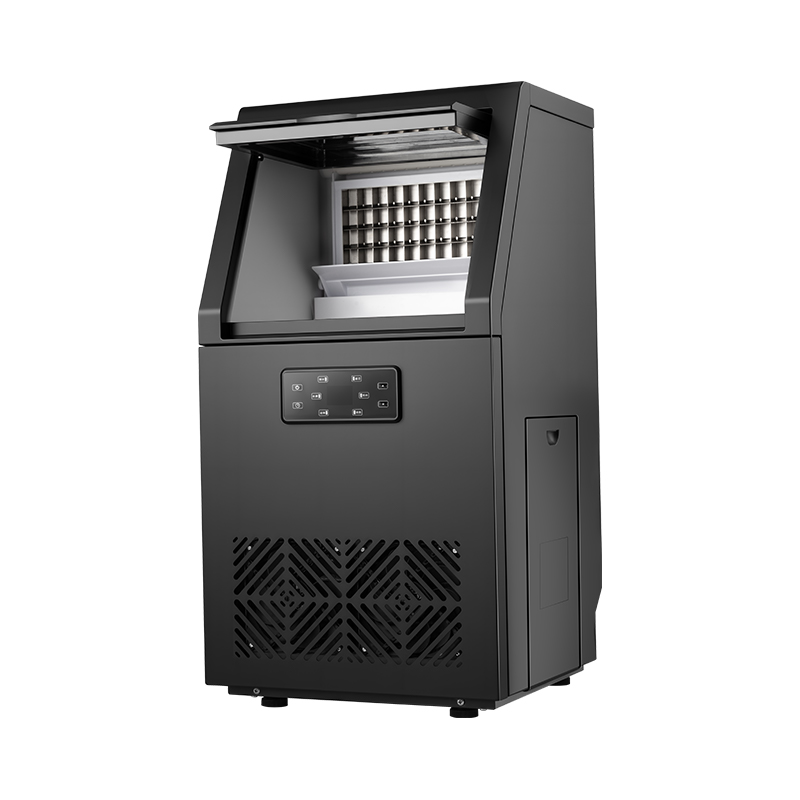
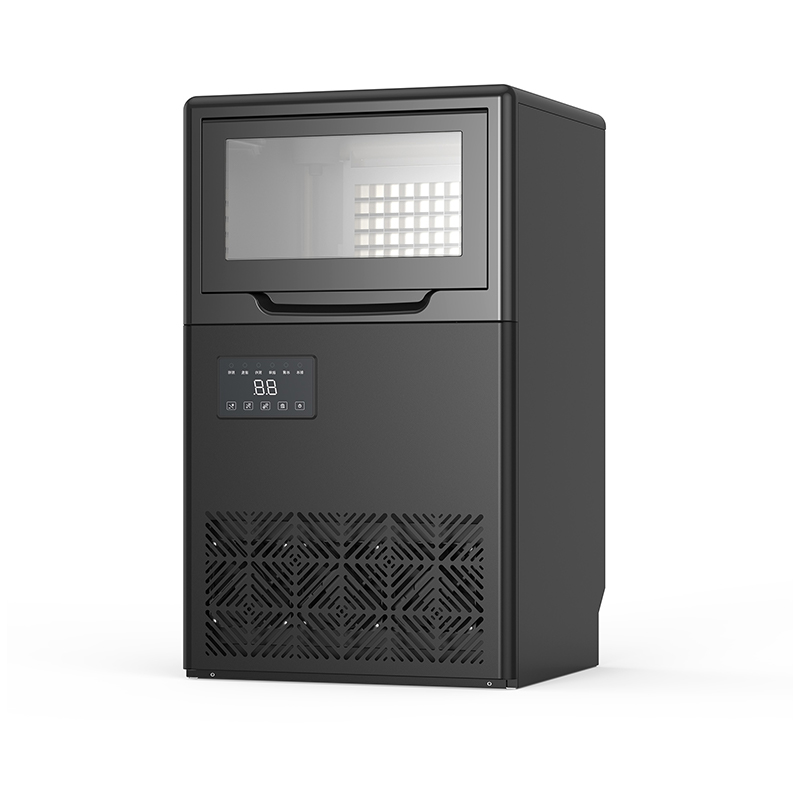
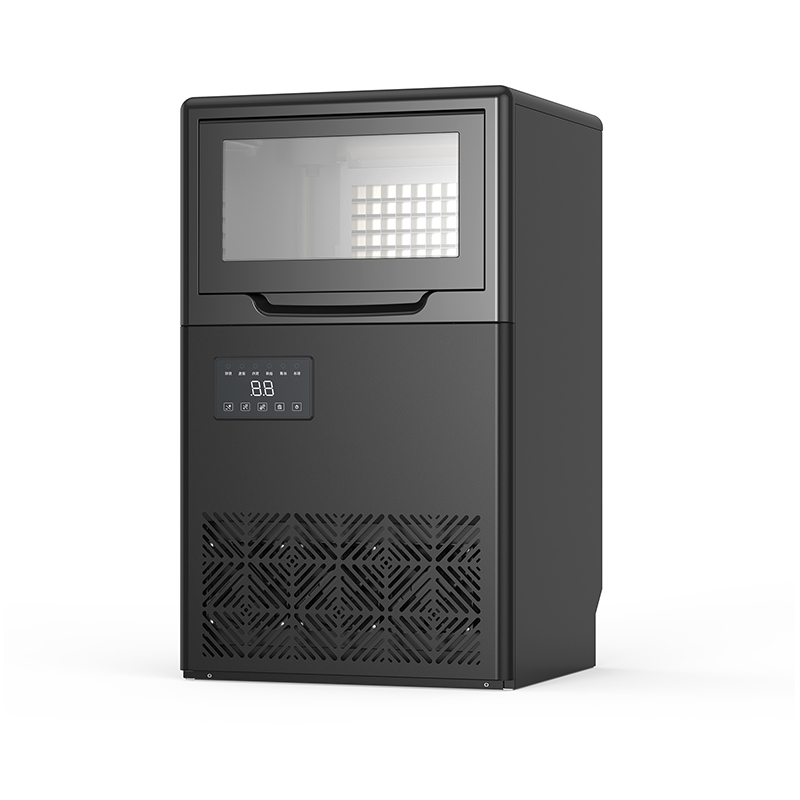
Portable countertop cube maker 12–28 kg Apartments, RVs, small kitchens
Built-in undercounter cube ice maker 20–45 kg Home bars, kitchen islands
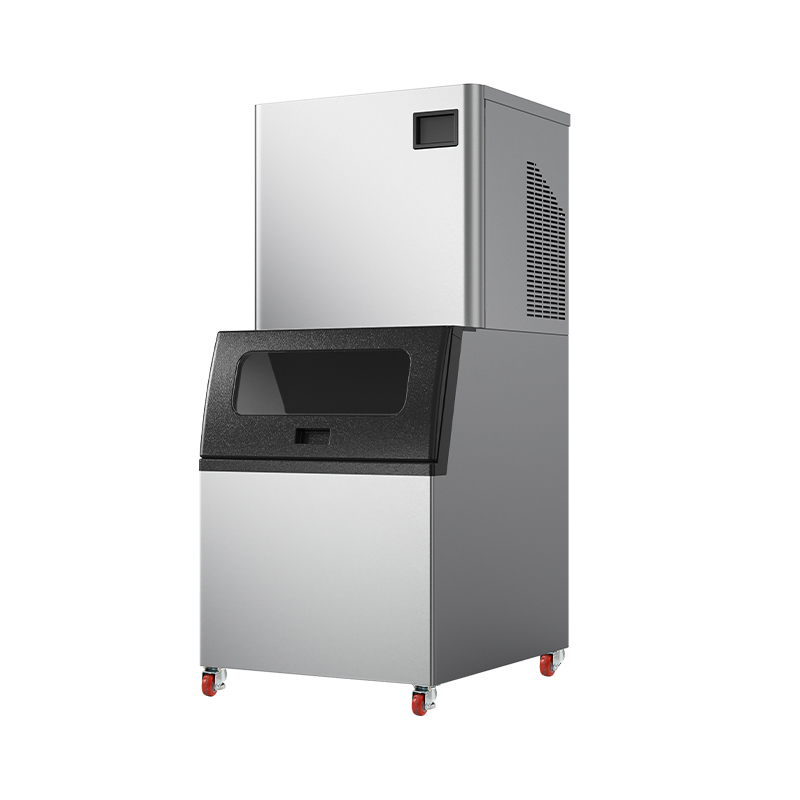
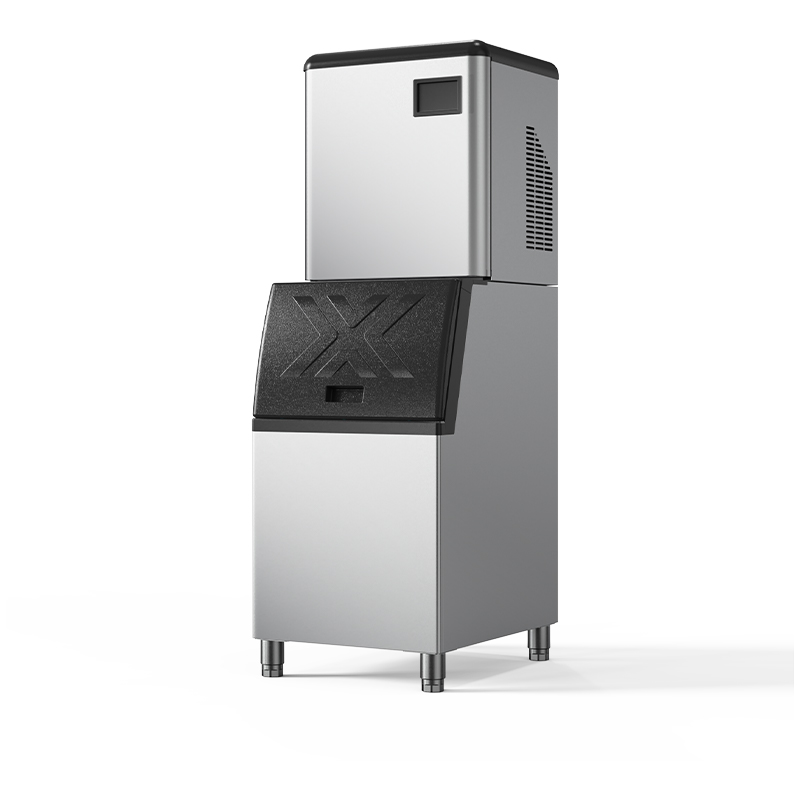
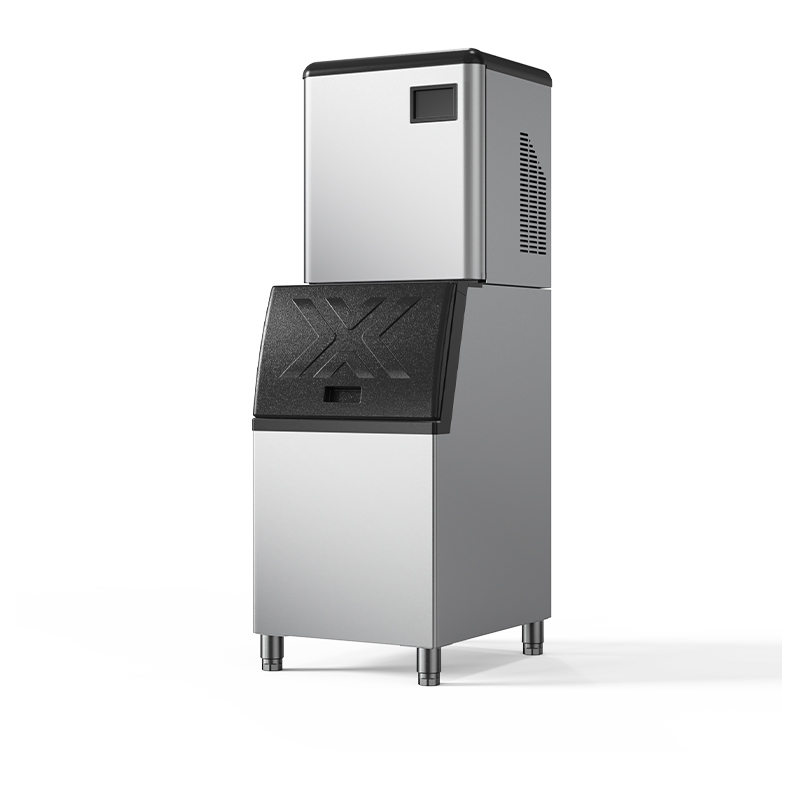
Freestanding household cube ice machine 45–100 kg Large households, frequent entertaining

Key Specifications to Compare Before Buying

Daily Ice Output and Cycle Time

Daily output figures are typically measured under ideal lab conditions (often around 21°C ambient and 15°C water temperature), so real-world production in a warm kitchen may run somewhat lower. Cycle time — the minutes needed per batch — is usually more useful for judging how quickly the machine keeps up during a party or busy afternoon.

Cube Size and Shape Options

Many home cube ice maker machines offer two or three cube size settings, letting users choose smaller cubes for faster chilling in drinks or larger cubes that melt more slowly and dilute a beverage less over time.

Water Supply Method

Portable models are manually filled, while built-in undercounter units usually connect to a dedicated water line, removing the need to refill the reservoir but requiring proper plumbing during installation.

Why Choose a Dedicated Cube Ice Maker Over a Freezer Ice Tray

Compared with a standard freezer ice tray or a refrigerator's built-in dispenser, a dedicated home ice cube maker machine offers several practical advantages:

  • Much faster turnaround — a first batch in minutes rather than the hours a freezer tray needs to fully freeze.
  • Continuous production throughout the day instead of a single fixed batch, useful for entertaining or high ice-use households.
  • No freezer space consumed, since the unit sits on a countertop or under a cabinet independently of the refrigerator.
  • More consistent cube clarity and shape, since dedicated units are engineered specifically around the freeze-and-release cycle rather than a general-purpose freezer compartment.

Placement, Installation, and Maintenance Tips

Getting consistent performance from a home cube ice maker depends on more than just plugging it in:

  • Leave at least a few centimeters of clearance around vents so the compressor can properly dissipate heat.
  • Avoid placing the unit in direct sunlight or right next to a stove, since higher ambient temperature slows cube formation.
  • Empty and rinse the reservoir periodically, and descale the evaporator plate every few months in hard-water areas to prevent scale buildup from slowing cycle time.
  • Check the drain or overflow outlet on built-in models to ensure meltwater is directed away rather than pooling inside the cabinet.

Manufacturers such as those producing commercial and household cube ice maker lines typically publish recommended cleaning intervals in the unit's manual, and following that schedule is one of the simplest ways to keep both ice clarity and cycle speed consistent over the machine's service life.