Industry News Industry News
Home / News & Share / Industry News / How Long Does It Take to Make Ice Cubes?

How Long Does It Take to Make Ice Cubes?


The Direct Answer

A standard freezer ice tray takes 3 to 4 hours to freeze water into solid cubes, a countertop portable ice maker produces its first batch in roughly 6 to 15 minutes, and a commercial cube ice maker completes one freeze cycle in about 15 to 25 minutes, repeating continuously to produce anywhere from tens of kilograms to several tons of ice per day. The exact time depends on four factors: the water's starting temperature, the volume of water being frozen at once, the ambient air temperature around the machine, and the type of refrigeration system doing the cooling.

The core rule to remember: smaller ice pieces always freeze faster than larger blocks, because they have more surface area relative to their volume. This is why commercial ice machines produce individual cubes through repeated short freeze cycles rather than freezing one large tray at once.

Freezing Time by Ice-Making Method

Not all ice-making equipment works the same way, and freeze times vary dramatically depending on the method used to remove heat from the water.

Typical freezing times across common ice-making methods
Method Typical Freeze Time Notes
Home freezer ice tray 3-4 hours Slower due to still air and larger cube volume
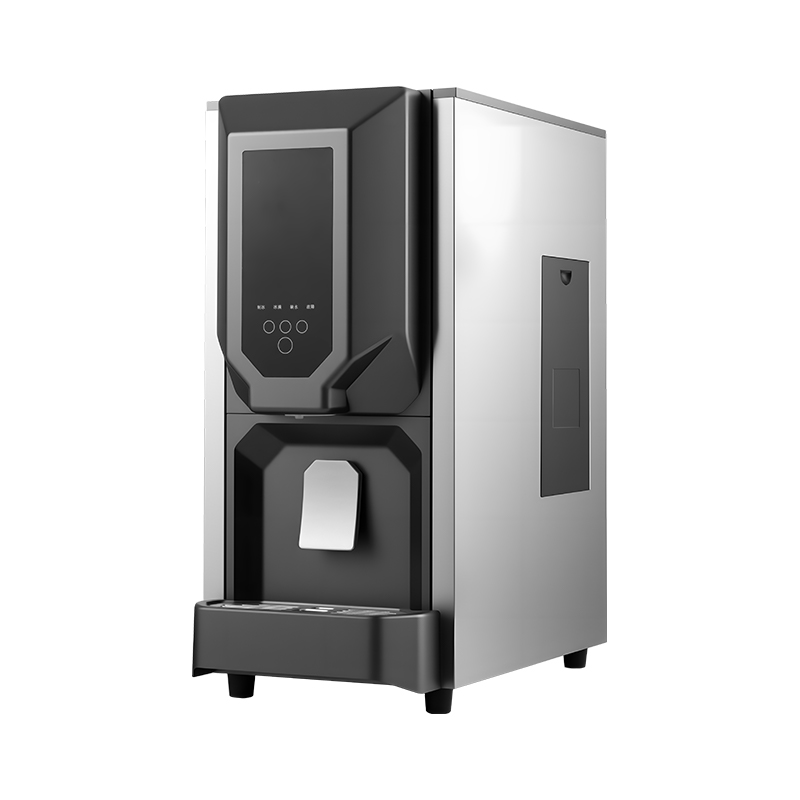
Portable countertop ice maker 6-15 minutes per batch Produces small bullet-shaped cubes using rapid spray freezing
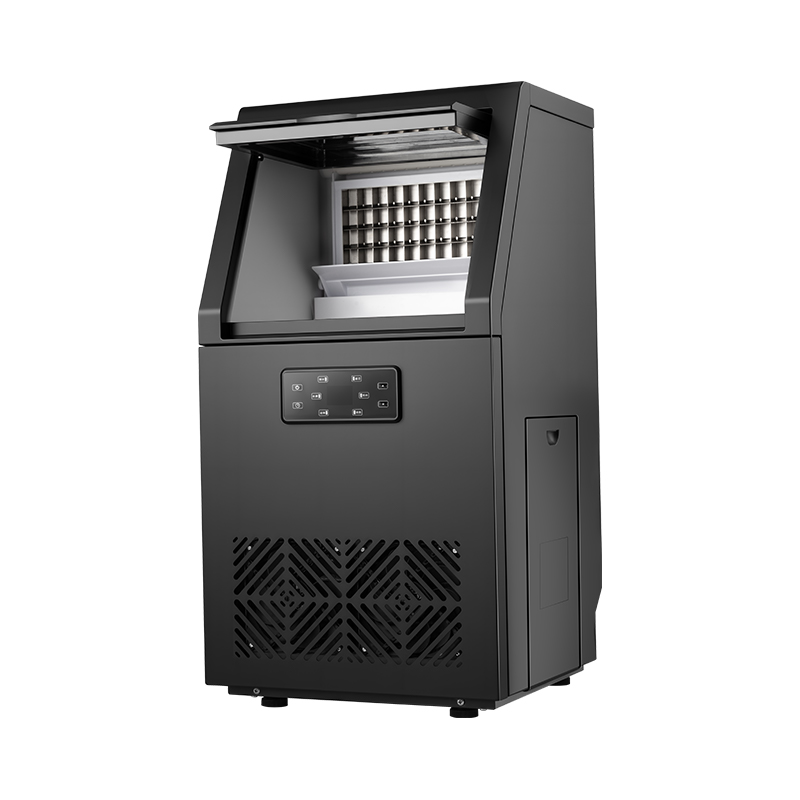
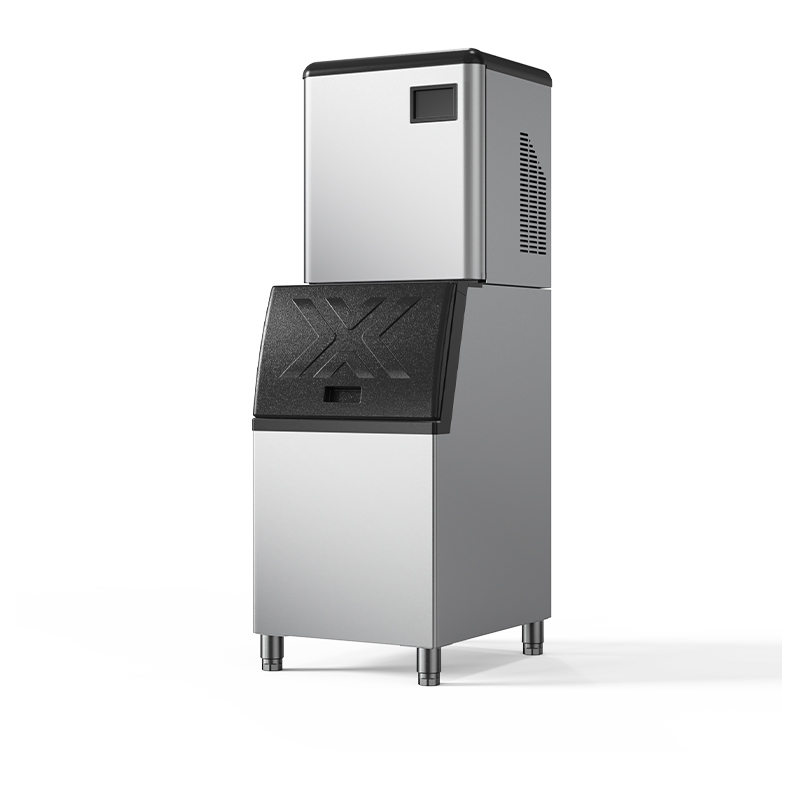
Commercial cube ice maker 15-25 minutes per cycle Produces dense, clear cubes via continuous freeze cycles
Directional-freezing clear ice tray 18-24 hours Slow, top-down freezing pushes out air for clarity

The clearest pattern here is the tradeoff between speed and cube density. Fast-freezing methods produce hollow or bullet-shaped ice with more trapped air, while slower methods — including commercial cube machines — produce denser, clearer cubes that melt more slowly in a drink.

Why Commercial Cube Ice Machines Work in Cycles

A commercial cube ice maker does not freeze one large batch and stop. Instead, water is continuously pumped over a refrigerated grid or plate, freezing layer by layer until each cube reaches full thickness — usually within 15 to 25 minutes — at which point a brief hot-gas defrost cycle releases the finished cubes into a storage bin, and the freeze cycle begins again immediately.

Layered Freezing for Clarity

Because water flows continuously over the freezing surface rather than sitting still, dissolved minerals and trapped air are washed away instead of getting locked inside the cube. This is why commercial cube ice tends to look clearer than tray-frozen ice, even though both are made from the same tap water.

Daily Output Scales With Cycle Speed

Because each cycle only takes minutes, a single commercial unit can complete dozens of freeze cycles per day. A machine rated for 1 ton of daily output is essentially running the same 15-to-25-minute cycle continuously, accumulating ice in the storage bin until it reaches capacity, at which point the machine pauses automatically.

The Four Factors That Change Freezing Speed

Whether you are freezing a single tray at home or running an industrial ice plant, the same physical variables control how fast water turns to ice.

  1. Starting water temperature — colder input water reaches freezing point faster; using cold tap water instead of warm water can cut freeze time noticeably.
  2. Cube or block size — larger volumes take disproportionately longer to freeze because heat has to travel further out of the center before the whole piece solidifies.
  3. Ambient temperature around the unit — a machine placed in a hot kitchen or un-ventilated space forces its compressor to work harder, extending each cycle.
  4. Refrigeration system capacity — commercial machines use more powerful compressors and larger evaporator surfaces than home appliances, which is the main reason they complete a full freeze cycle in a fraction of the time a home freezer needs.

How Ambient Temperature and Placement Affect Cycle Time

Placement has a bigger effect on freeze time than most people expect, particularly for commercial units running continuously in warm environments like kitchens or outdoor bars.

  • Leaving adequate clearance around the condenser allows heat to dissipate properly, keeping cycle times consistent.
  • Placing a machine near ovens, direct sunlight, or poorly ventilated closets forces the compressor to run longer per cycle, reducing daily output.
  • Water supply temperature matters too — machines connected to a warm water line will see measurably longer freeze cycles than those supplied with cold water.
  • A level, stable surface ensures water distributes evenly across the freezing grid, preventing uneven cube formation that can slow the release cycle.

Matching Machine Capacity to Daily Ice Demand

Because each freeze cycle only produces a fixed batch of cubes, total daily output depends on how many cycles a machine can complete in 24 hours, not just how fast a single cycle runs. Businesses estimating their ice needs should work backward from expected daily consumption rather than focusing only on cycle speed.

General guide to matching daily ice output with typical business needs
Approximate Daily Output Typical Setting
1 ton Small bar, cafe, or convenience store
2-3 tons Mid-size restaurant or hotel
5-10 tons Seafood processing, catering supply, distribution
20+ tons Full-scale ice plants and industrial cooling operations

Undersizing a machine is a common mistake — a unit running near its maximum daily output constantly will show longer effective wait times between batches, since the storage bin refills more slowly relative to demand.

Tips to Speed Up Ice Production

Whether at home or in a commercial kitchen, a few practical adjustments can meaningfully shorten freeze cycles without any equipment changes.

  • Use cold water rather than room-temperature or warm water whenever filling a tray or machine reservoir.
  • Keep the machine or freezer compartment in a cool, well-ventilated location away from heat sources.
  • Avoid overfilling ice trays or reservoirs beyond the recommended level, since excess volume extends freeze time.
  • Schedule routine descaling and filter maintenance on commercial units, since mineral buildup on the freezing surface slows heat transfer and lengthens each cycle over time.

Choosing Equipment Based on Real Freeze-Time Needs

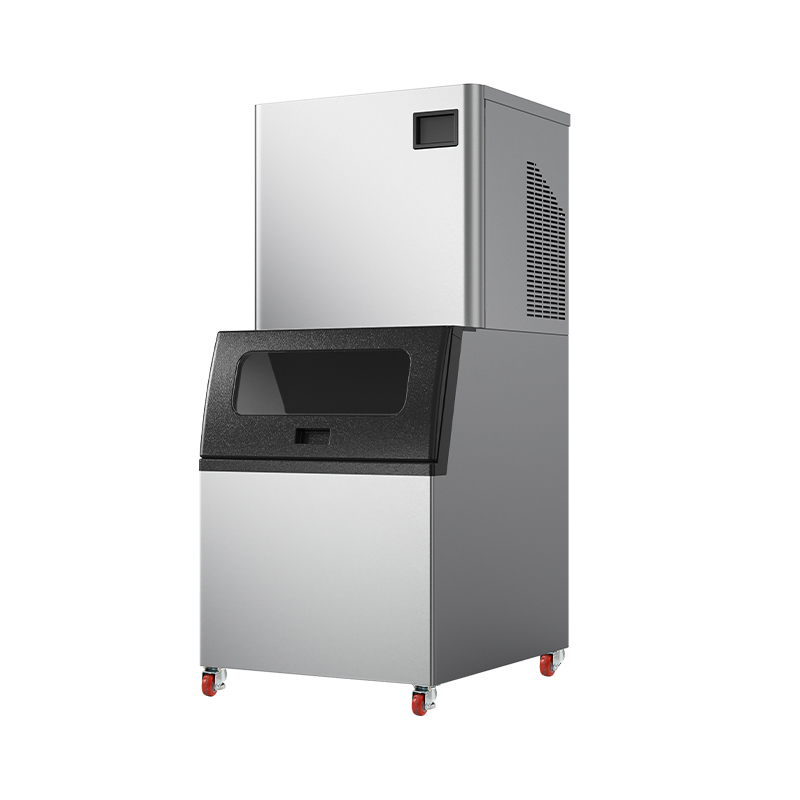
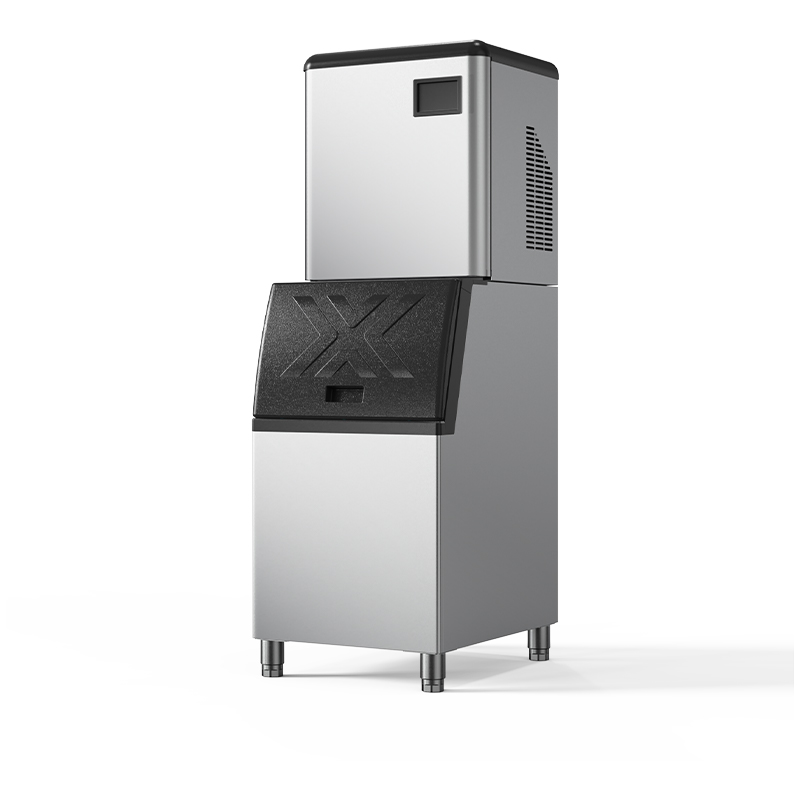
For a household needing occasional ice, a freezer tray or small portable machine is more than sufficient. For businesses that depend on a steady, predictable ice supply throughout the day, a dedicated commercial cube ice maker is built specifically to shorten the freeze cycle and sustain continuous output that a home appliance cannot match. Chinese manufacturers producing commercial cube ice equipment, ranging from compact 1-ton units to full-scale plant installations exceeding 20 tons per day, design their systems around exactly this repeated freeze-and-harvest cycle, allowing capacity to be matched closely to a business's actual daily ice demand rather than relying on oversized or undersized guesswork. Reviewing a machine's rated cycle time and daily output before purchase remains the most reliable way to confirm it will keep pace with real-world usage.