Industry News Industry News
Home / News & Share / Industry News / Countertop Cube Ice Maker: The Ice Maker Machine Buying Guide

Countertop Cube Ice Maker: The Ice Maker Machine Buying Guide


A Countertop Cube Ice Maker Is the Fastest Way to Get Reliable Cube Ice Without a Plumbed Installation

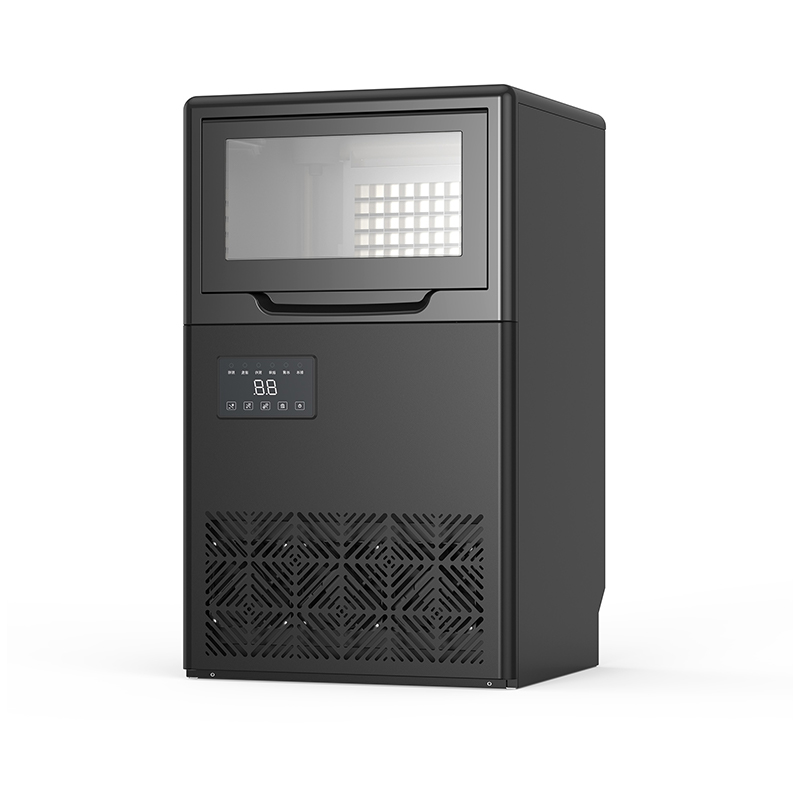
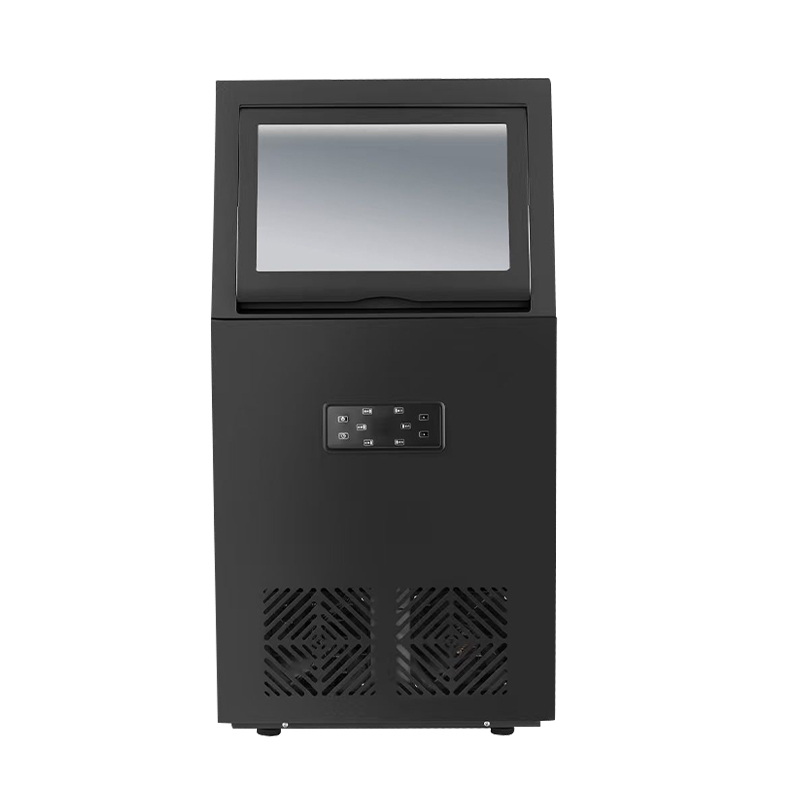
For anyone comparing an ice maker machine for home, office, or small commercial use, a countertop cube ice maker offers the best balance of speed, convenience, and cube-shaped ice quality without the cost of a plumbed-in system. These units typically produce the first batch of ice in as little as 6 to 15 minutes and require only a standard power outlet and a water reservoir to operate. Because they sit directly on a counter or bar top, they can be relocated to wherever ice is needed most, from a home kitchen to a pop-up event bar. The sections below cover how these machines work, what performance data actually matters when comparing models, and how to choose and maintain the right unit for consistent ice production.

How a Countertop Cube Ice Maker Machine Actually Works

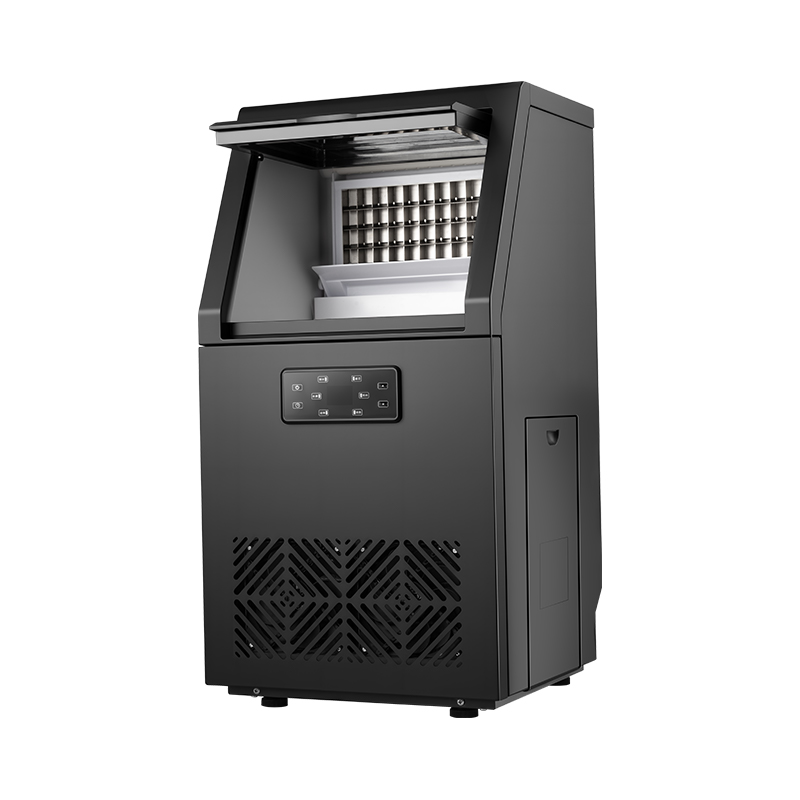
Every ice maker machine in the countertop cube category follows a similar refrigeration cycle. Water is pumped from an internal reservoir onto a set of metal fingers or into small cube molds. A refrigerant loop rapidly cools these surfaces below freezing, forming a thin layer of ice that thickens over several minutes. Once the cube reaches the target thickness, a heating element briefly warms the mold or fingers so the finished cubes release into the storage bin below.

Why Cycle Time Matters

Cycle time is the single biggest factor separating a fast countertop unit from a slow one. Most residential-grade machines complete one production cycle in 6 to 12 minutes, yielding 9 to 12 small bullet-shaped or cube ice pieces per batch. Faster cycle times translate directly into higher daily output, which is why manufacturers list both "time per batch" and "daily capacity" on their spec sheets.

  1. Water reservoir feeds the cooling chamber through a small pump.
  2. Refrigerant coils freeze water against molds or fingers within minutes.
  3. A brief heating pulse releases the finished cubes into the storage bin.

Key Specifications to Compare Before Buying

Not every countertop cube ice maker is built for the same workload. Daily output, storage bin capacity, noise level, and energy draw all vary significantly between residential and light-commercial models, and matching these numbers to actual usage patterns prevents both overspending and undersized purchases.

Daily Ice Production

Residential countertop units typically produce between 26 and 45 pounds of ice per 24-hour period, while light-commercial countertop models can reach 50 to 100 pounds daily. A household hosting occasional gatherings is usually well served by the lower end of this range, whereas a small café or bar counter benefits from higher-output machines to avoid running out during peak hours.

Storage Bin Size and Recycling

Because countertop units are not plumbed to a drain, unused ice in the storage bin gradually melts and the water is recirculated back into the reservoir to make new ice. Storage bins on residential models generally hold 1.5 to 3 pounds of ready ice at a time, so machines with faster cycle times compensate for the smaller bin by refilling supply quickly.

Typical Performance Data for Countertop Cube Ice Maker Machines

The table below summarizes commonly published performance ranges across residential and light-commercial countertop cube ice maker categories, useful as a reference when comparing an ice maker machine spec sheet against your expected usage.

Typical specification ranges for countertop cube ice maker machines by category
Parameter Residential Model Light-Commercial Model
Daily Ice Output 26 to 45 lbs 50 to 100 lbs
Cycle Time per Batch 6 to 12 minutes 8 to 15 minutes
Storage Bin Capacity 1.5 to 3 lbs 3 to 6 lbs
Water Reservoir Volume 1.5 to 2.5 liters 3 to 5 liters
Rated Power Draw 90 to 150 W 150 to 280 W

These ranges make it clear why matching an ice maker machine to actual daily demand, rather than choosing based on size alone, produces better long-term satisfaction and lower running costs.

Common Use Cases for Countertop Cube Ice Makers

Because countertop cube ice makers require no drain plumbing and a standard outlet, they fit a wide range of settings where a full-size, plumbed ice maker machine would be impractical or unnecessary.

Home Kitchens and Entertaining Spaces

Households that entertain frequently benefit from a countertop unit's ability to supplement or replace a refrigerator's built-in ice tray, producing enough cube ice for a full party within an hour of continuous cycling.

Small Offices and Break Rooms

Break rooms with limited plumbing access often rely on countertop machines to keep beverages cold throughout the workday, with lower-noise models preferred to avoid disrupting nearby workstations.

Bars, Food Trucks, and Pop-Up Events

Mobile food and beverage operations favor countertop cube ice makers for their portability, allowing operators to move production wherever the event or service counter is set up without needing a fixed installation.

Countertop Cube Ice Maker Versus Other Ice Maker Machine Types

Buyers often compare a countertop cube ice maker against other categories of ice maker machine before finalizing a purchase. The comparison below outlines where each type performs best.

  • Versus built-in undercounter ice makers: Countertop units require no permanent installation or drain line, making them easier to relocate, though undercounter machines generally offer higher sustained daily output.
  • Versus nugget ice machines: Cube ice melts more slowly and dilutes drinks less than nugget or chewable ice, making countertop cube models better suited for cocktails and cold beverages.
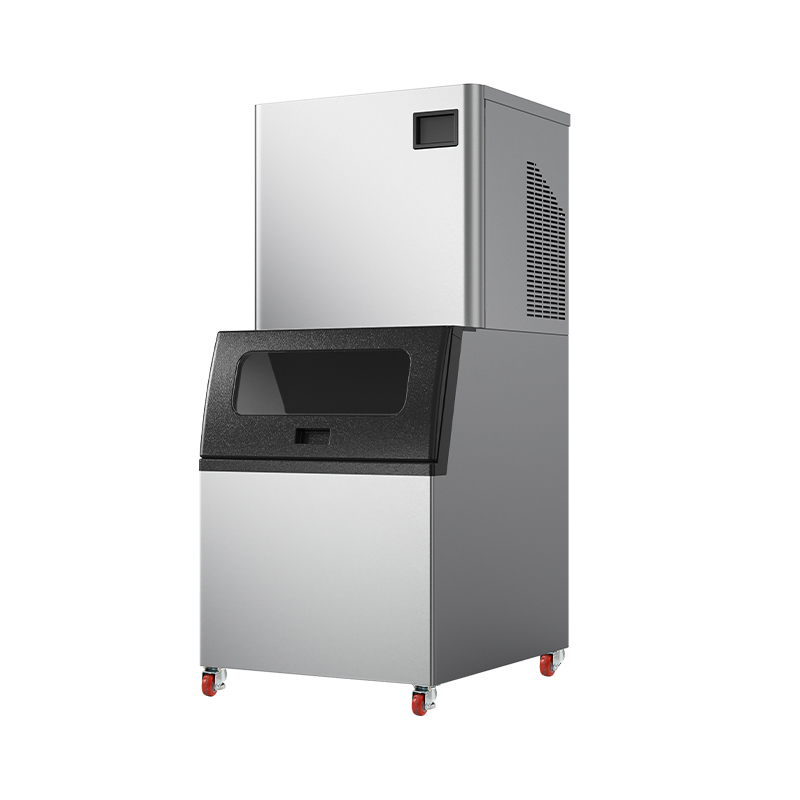
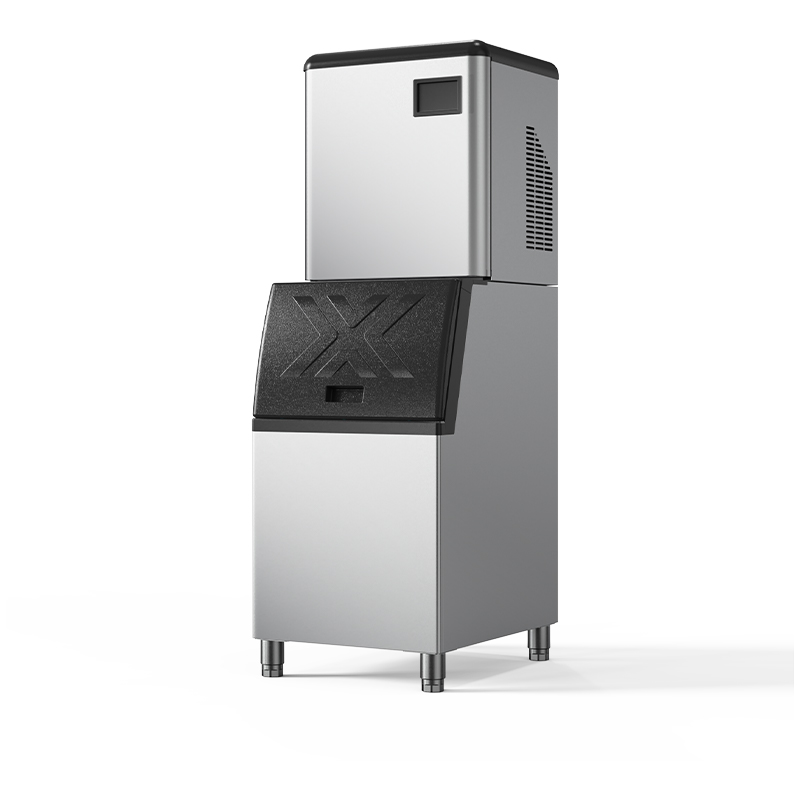
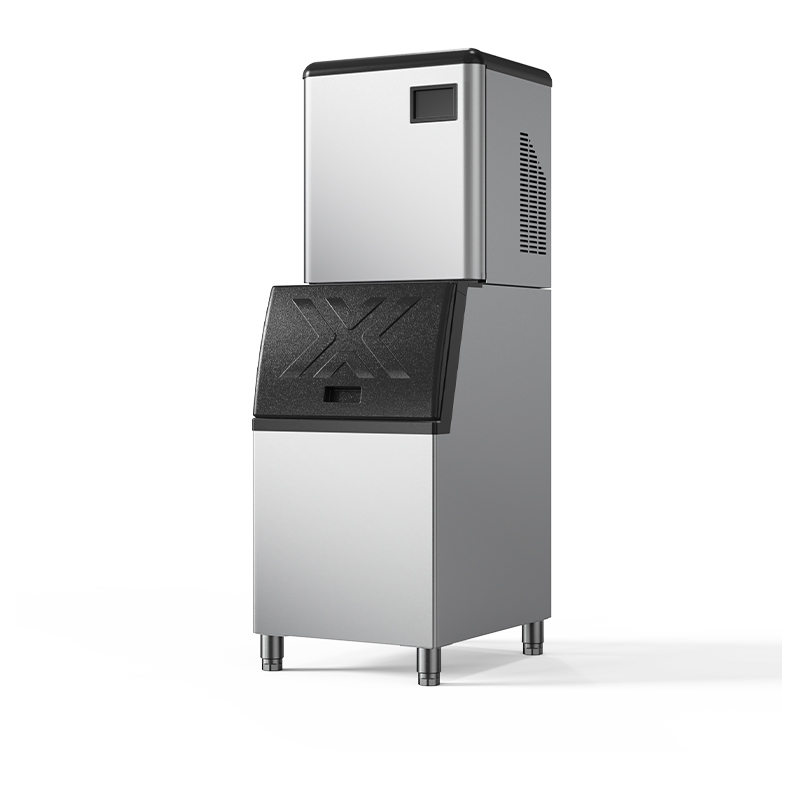
  • Versus modular commercial ice heads: Modular systems paired with storage bins handle much larger volumes for full-scale foodservice operations, while countertop machines suit lower-volume, flexible-location needs.

Choosing between these categories ultimately comes down to daily ice demand, available installation space, and whether portability or maximum output is the higher priority.

Maintenance Practices That Extend Machine Life

Consistent maintenance keeps a countertop cube ice maker producing clear, properly shaped ice and prevents mineral scale from shortening the compressor's service life.

Regular Descaling

Mineral buildup from hard water is the leading cause of reduced ice clarity and slower cycle times. A descaling solution or a diluted vinegar rinse run through the reservoir every two to four weeks helps maintain consistent performance, particularly in regions with high water hardness.

Filter and Reservoir Cleaning

Draining and wiping down the water reservoir weekly, along with replacing any inline filter cartridges per the manufacturer's schedule, reduces bacterial buildup and keeps ice tasting clean.

Ventilation and Placement

Leaving at least four inches of clearance around the vents on all sides prevents the compressor from overheating, which is one of the most common causes of premature machine failure in countertop units placed too close to a wall or cabinet.

Selecting a Dependable Ice Maker Machine Supplier

When comparing suppliers of an ice maker machine, it is worth reviewing published capacity data, compressor warranty terms, and after-sales support options rather than relying on advertised daily output alone. A manufacturer with dedicated production lines for both residential countertop units and larger commercial cube ice systems typically offers more consistent build quality and better technical support for buyers who may need to scale up capacity later.

In summary, a countertop cube ice maker delivers fast, drain-free cube ice production suited to homes, offices, and mobile beverage service. By matching daily output, bin capacity, and cycle time to real usage patterns, and by following a simple descaling and cleaning routine, this category of ice maker machine can provide years of dependable, clear-cube performance without the cost or complexity of a fully plumbed system.