Industry News Industry News
Home / News & Share / Industry News / How to Make Clear Ice Cubes: The Directional Freezing Method

How to Make Clear Ice Cubes: The Directional Freezing Method


Quick Answer: The Secret to Clear Ice Cubes

Clear ice forms when water freezes slowly and in one direction, pushing dissolved air and mineral impurities ahead of the freezing edge instead of trapping them inside the cube. Ordinary freezer trays freeze from all six sides at once, sealing air bubbles and minerals in the center and producing the cloudy white core seen in typical home ice. This is exactly the problem a well-engineered Ice Maker is designed to solve: many models use directional freezing or continuous water-flow techniques that let trapped air escape before the water fully solidifies, resulting in dense, transparent cubes that melt more slowly and look far more refined in a finished drink. The sections below explain the science behind cloudy versus clear ice, the directional freezing method used at home, and how modern ice-making equipment applies the same principle at a larger scale.

Why Ordinary Ice Turns Cloudy

Tap water contains dissolved air and minerals such as calcium and magnesium. When water freezes from all directions simultaneously, as it does in a standard ice cube tray, the ice at the outer edges solidifies first and pushes these impurities toward the center, where they become trapped as the last bit of water freezes. The result is a cloudy or white core, along with tiny air bubbles distributed throughout the cube.

Why Clarity Is More Than Cosmetic

Clear ice is denser than cloudy ice because it contains far fewer trapped air pockets, and denser ice melts more slowly. This means a clear cube keeps a drink cold longer without diluting it as quickly, which is part of why clear ice is favored in cocktail bars and specialty beverage service.

The Directional Freezing Method at Home

The most common home technique for making clear ice mimics the way a directional-freezing Ice Maker works, by forcing water to freeze from only one direction rather than all six.

  1. Fill an insulated cooler, such as a small picnic cooler with the lid removed, about two-thirds full with water and place it in the freezer.
  2. Because the cooler's sides and bottom are insulated, freezing only occurs from the open top downward, pushing air and minerals toward the bottom of the container as the ice forms.
  3. After 18 to 24 hours, remove the block before it freezes completely; the bottom inch or two will still be liquid and cloudy, and can be discarded or used for other purposes.
  4. Cut the clear portion of the ice block into cubes using a serrated knife, letting the block sit for a few minutes at room temperature first to make cutting easier.

Why Water Quality Still Matters

Directional freezing removes most trapped air and pushes minerals toward the discarded portion of the block, but starting with cleaner water improves the result further and reduces the cloudy layer that needs to be trimmed away.

Water Preparation Method Effect on Ice Clarity
Filtered tap water Reduces mineral content, producing a smaller cloudy layer
Pre-boiled and cooled water Removes much of the dissolved air before freezing begins
Distilled water Minimizes mineral content but does not remove dissolved air on its own
Untreated tap water Produces the largest cloudy core, even with directional freezing
How water preparation affects the clarity of directionally frozen ice

How a Commercial Ice Maker Achieves Clarity at Scale

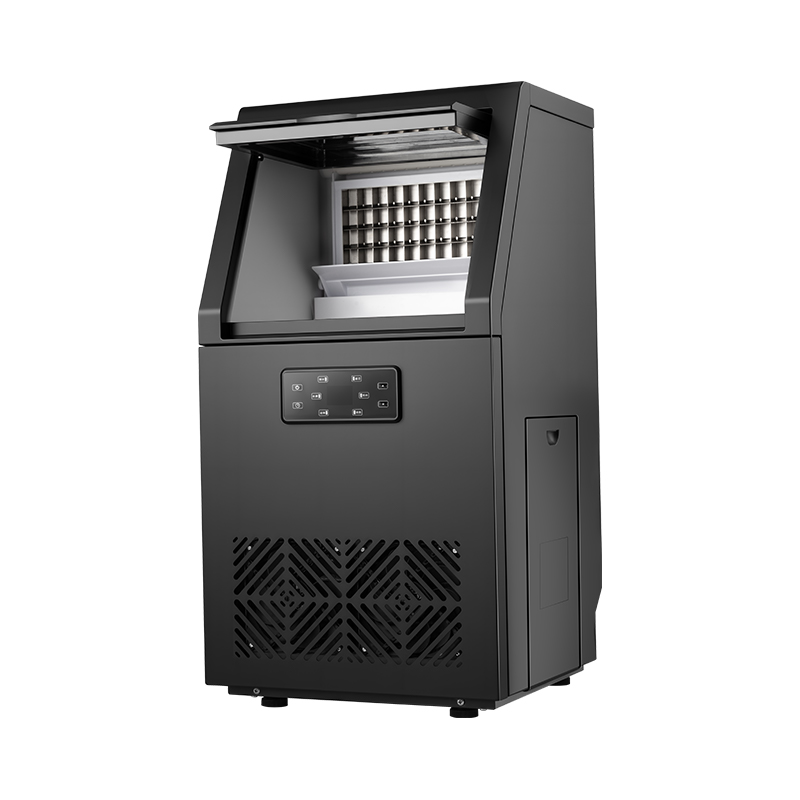
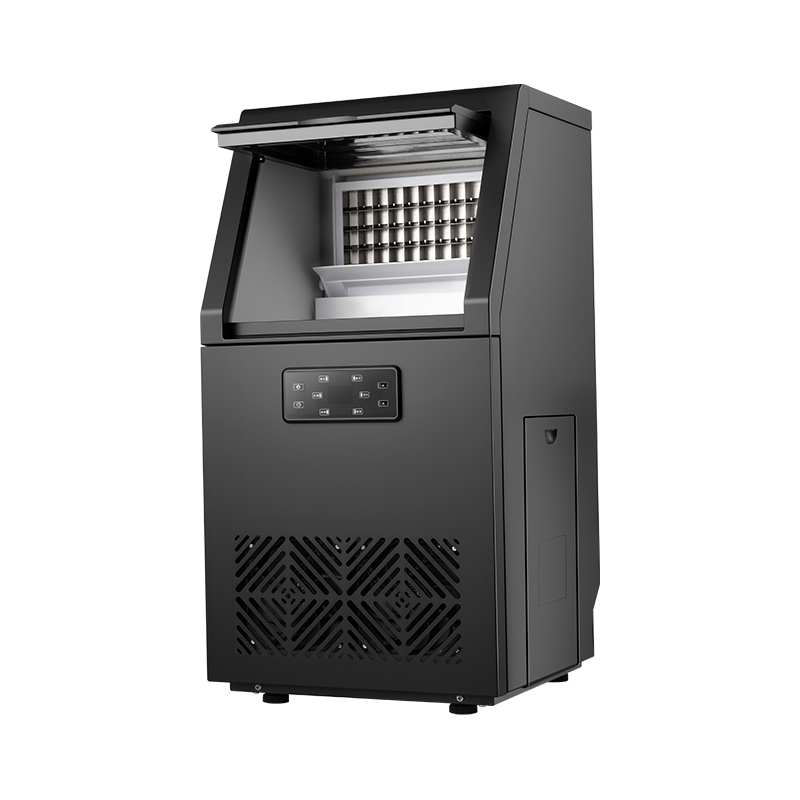
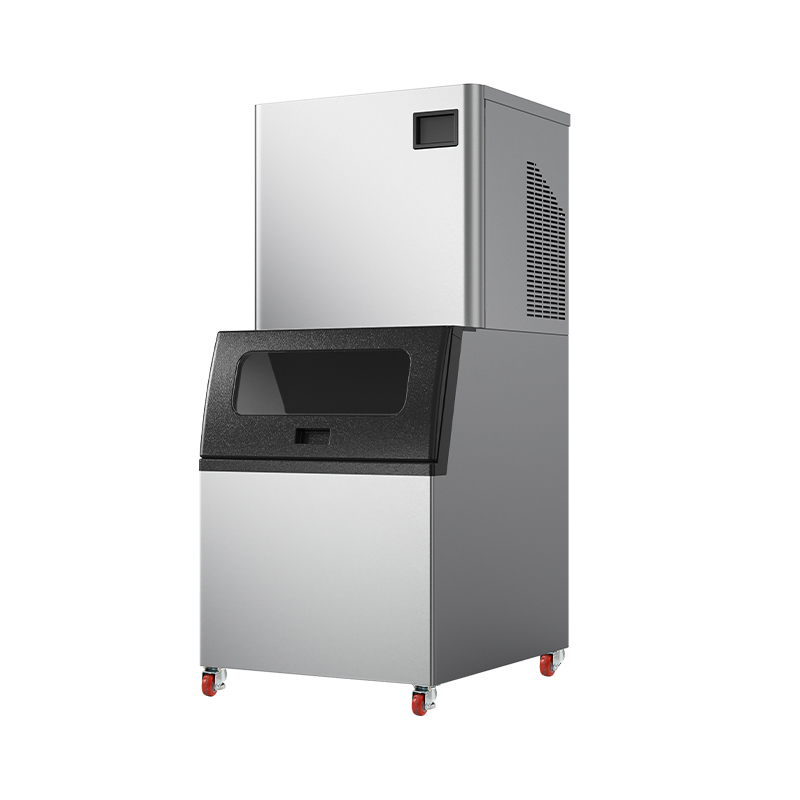
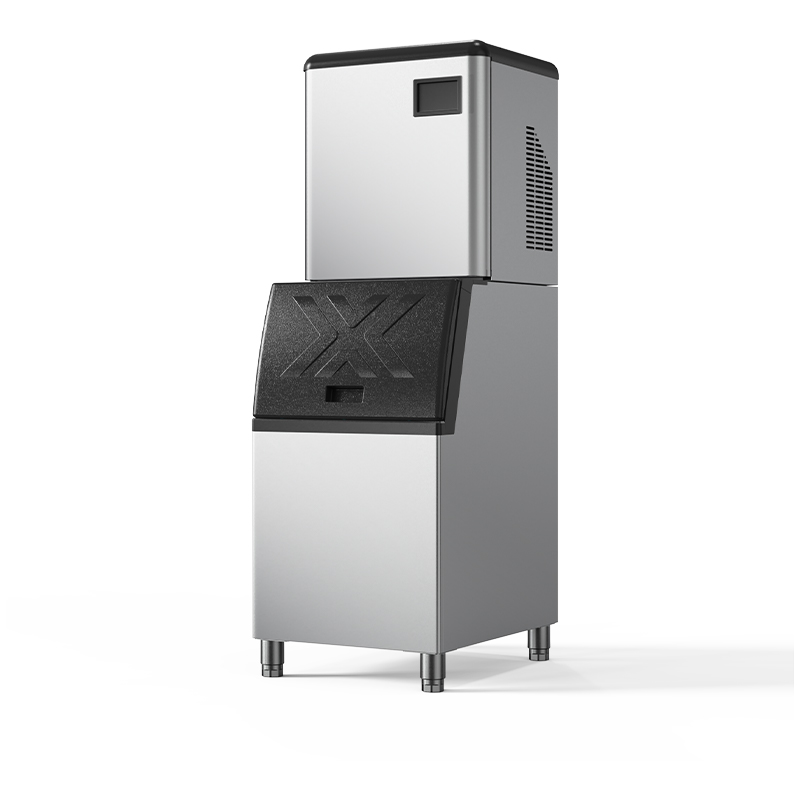
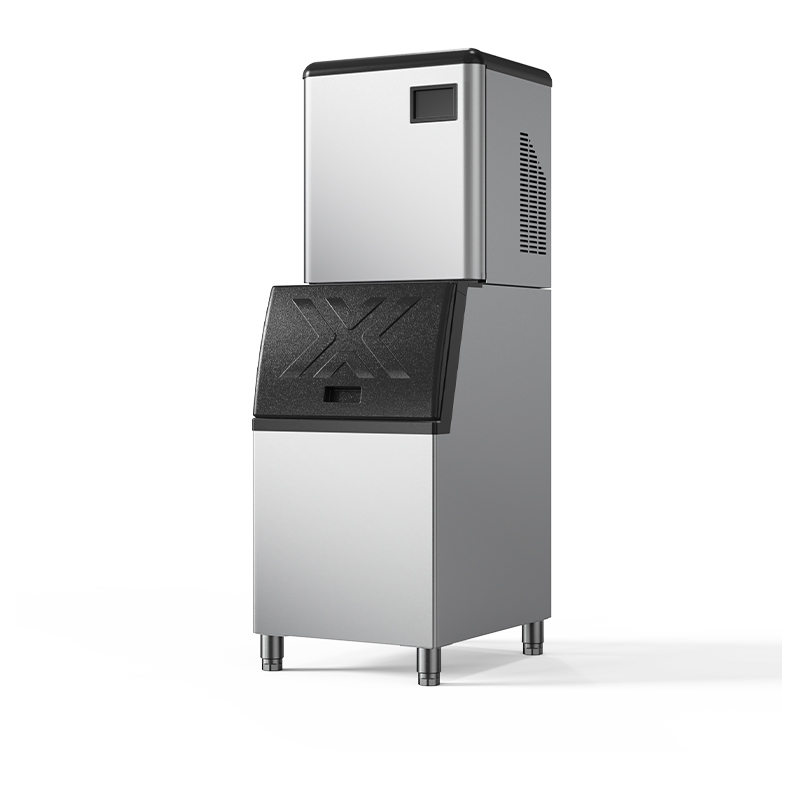
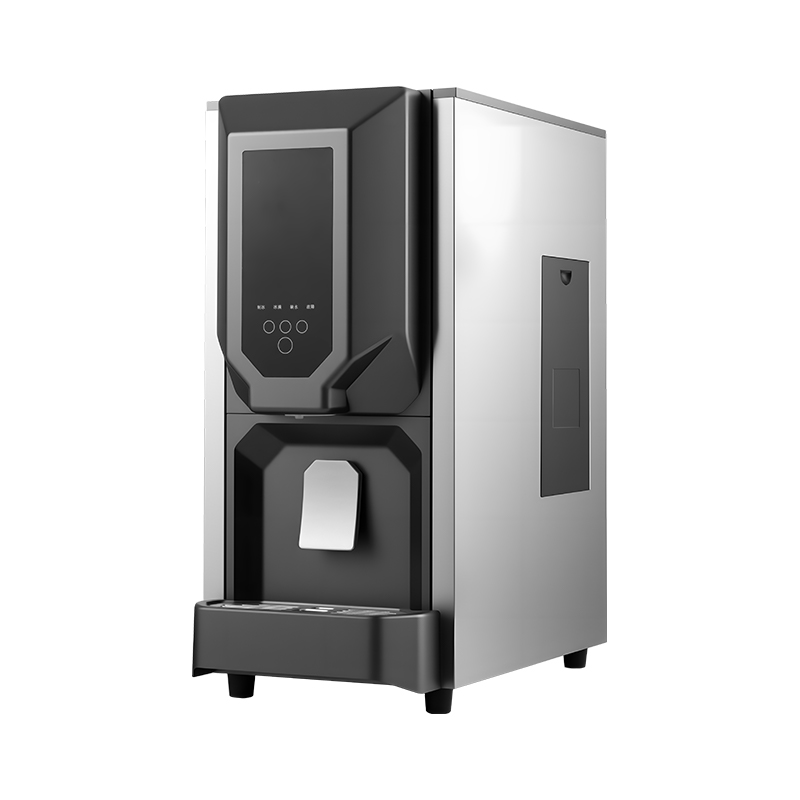
Manually freezing a cooler works for small batches, but bars, restaurants, and beverage service operations need a continuous, larger-scale solution. This is where a purpose-built Ice Maker applies the same underlying principle through mechanical design rather than a slow, hands-on process.

  • Flow-over or spray-type freezing systems continuously circulate water over a chilled evaporator plate, so dissolved air and minerals are carried away by the flowing water rather than trapped as the ice forms layer by layer.
  • Controlled, gradual freezing cycles — rather than a single rapid freeze — replicate the slow, directional process that produces clarity in a home cooler method, but on a repeatable, automated schedule.
  • Built-in water filtration on many modern units reduces mineral content before freezing even begins, addressing the water-quality factor discussed above without requiring a separate manual step.

The result is that a well-designed Ice Maker can produce consistently clear, dense cubes on a continuous basis, which is far more practical for any setting that needs a steady supply rather than a single overnight batch.

Keeping an Ice Maker Producing Clear, Clean Ice

Even a well-designed unit will produce cloudier or off-tasting ice if maintenance is neglected, since mineral scale and biofilm buildup inside the machine directly affect both clarity and hygiene.

  • Descale the water system on a regular schedule to prevent mineral buildup on the evaporator plate, which can otherwise interfere with even freezing and reduce ice clarity over time.
  • Replace or clean water filters according to the manufacturer's schedule, since a saturated filter no longer reduces the minerals responsible for cloudiness.
  • Run the unit's self-cleaning cycle if equipped, which typically flushes the internal water lines and evaporator surface to prevent buildup that can affect both taste and appearance.

Choosing a Reliable Ice Maker for Consistent Clarity

Shar moon specializes in ODM/OEM commercial Ice Maker manufacturing, with production certified to ISO 9001, BSCI, CE, CB, RoHS, WQA, LFGB, FDA, and BPA-related standards, supported by a smart warehouse exceeding 20,000 cubic meters and MES-based digital manufacturing for consistent build quality across production runs.

For businesses evaluating equipment, checking whether a given Ice Maker model uses a directional or flow-over freezing method — rather than a simple flash-freeze cycle — is the most reliable way to confirm it will produce the dense, clear ice that today's beverage service standards increasingly expect.