

 English
  Español
 SMK-156 for High-Capacity Cube Ice Maker— A Commercial Flagship and Production Powerhouse
+ VIEW MORE
 Industry News
HOME / News & Share / Industry News / Clean Ice Cube Maker Guide: Step-by-Step Cleaning and Descaling for Commercial Units
Clean Ice Cube Maker Guide: Step-by-Step Cleaning and Descaling for Commercial Units
Sharmoon appreciates your support and sincerely looks forward to cooperating with you for mutual development!
Content
- 1 Critical Zones That Need More Than a Quick Wipe
- 2 Manual Cleaning Steps That Actually Work
- 3 Descaling: The Most Overlooked Step in Ice Maker Care
- 4 Self-Cleaning Cycles: Convenient But Not Enough
- 5 How Often Should You Really Clean an Ice Cube Maker?
- 6 Odors, Slow Harvesting, and Cloudy Ice: What They Tell You
- 7 What to Expect from a Professional Ice Maker Supplier
When a busy restaurant kitchen starts noticing slower ice production, the first suspicion is usually the compressor. More often, the real culprit is invisible: mineral scale accumulating on the evaporator plate. The result is that ice forms slower, tastes metallic, and the machine wastes electricity. Cleaning an ice cube maker is therefore not about making the stainless steel look shiny. It's about removing calcium and magnesium deposits before they reduce harvest speed and shorten the machine's life.
The good news is that a consistent cleaning plan works. In this guide, you will learn exactly which zones to clean, which solutions are safe, and how often you should do it.
Critical Zones That Need More Than a Quick Wipe
Commercial ice makers have two distinct challenges: water impurities and airborne dust. Most users spend time wiping the bin, but that does nothing to address the water circuit. The table below lists the priority zones, what to clean, and how often.
| Zone | What to clean | Recommended frequency |
|---|---|---|
| Evaporator plate | Scale deposits | Every 4 weeks |
| Water reservoir | Biofilm and sediment | Every 2 weeks |
| Ice storage bin | Residue and bacteria | Every week |
| Condenser coil | Dust and lint | Every 4 weeks |
| Air filter | Clogged debris | Every 2 weeks |
The evaporator plate is the heart of the machine. When scale builds up there, heat transfer slows down, increasing energy use by as much as 15 percent and lowering daily production. Checking that plate should be the starting point of any maintenance routine.
Manual Cleaning Steps That Actually Work
If you have time for only one procedure, follow these seven steps. They are designed for machines without an installed self-cleaning cycle, but they are also useful for supplementing one.
- Turn off and unplug the unit. Disconnect the water supply as well.
- Drain the water reservoir. Use the drain plug or tilt the unit gently.
- Remove the ice basket and scoop. Wash both in warm, soapy water and rinse thoroughly.
- Wipe down the interior. Use a soft cloth with mild dish soap. Avoid abrasive scouring pads.
- Clean the evaporator plate. Use a food-safe descaler applied to the plate surface. Let it sit for the time recommended by the descaler manufacturer.
- Rinse all components with clean water. Residual cleaning solution can affect ice taste.
- Dry and reassemble the unit. Run one full ice cycle and discard the first batch of ice.
Using food-grade citric acid is safer than white vinegar for commercial equipment. It has no lingering odor, and at a concentration of 1 to 3 percent it effectively dissolves scale without damaging metal or plastic.
Descaling: The Most Overlooked Step in Ice Maker Care
Descaling removes hard water minerals. In areas with water hardness above 180 ppm, scale can form in as little as three weeks. Over time, that scale reduces the contact area between water and refrigerant, slowing down ice production and increasing the load on the compressor.
The following table compares three common cleaning approaches.
| Agent | Pros | Cons | Best for |
|---|---|---|---|
| White vinegar | Inexpensive, widely available | Strong odor, slower reaction | Occasional home use |
| Citric acid | Odorless, food-safe, fast | Requires correct dilution | Commercial units |
| Commercial descaler | Contains corrosion inhibitors | Higher cost | Heavy scale or warranty care |
For a compact kitchen where the machine sits beneath a counter, access to the water reservoir makes a real difference. The SMK24F Fullcube undercounter ice maker is designed with a removable water tank and a front-access drain, so routine maintenance does not require pulling the whole unit out.
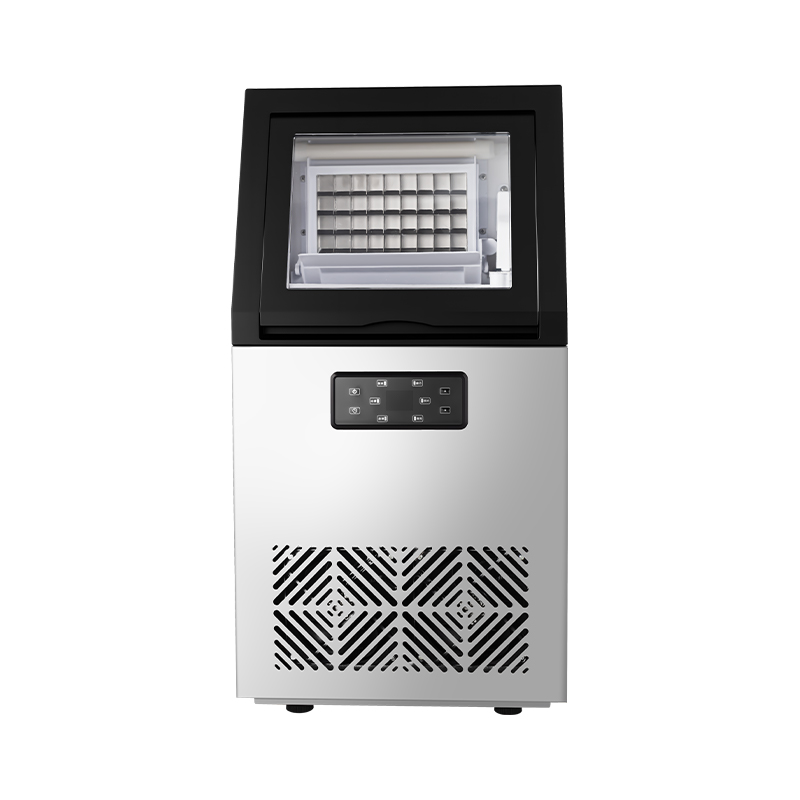 Compact Undercounter Ice Maker with Removable Water Tank and Front-Access DrainThis compact unit fits under counters, offering easy access to the water reservoir and drain for maintenance. It reduces descaling time significantly, making it ideal for tight kitchen spaces.View Product →
This type of design cuts descaling time from 45 to about 15 minutes in a typical installation.
Self-Cleaning Cycles: Convenient But Not Enough
Self-cleaning functions push water through the system and circulate sanitizing solution. They are excellent for removing loose residue, but they cannot remove hard scale that has already bonded to the evaporator plate. The following table shows what each method handles.
| Method | Surface residue | Biofilm | Mineral scale |
|---|---|---|---|
| Self-cleaning cycle | Good | Moderate | Poor |
| Manual cleaning | Excellent | Good | Excellent |
In practice, the best approach is to use the self-cleaning cycle every week and perform a manual descaling every month. Skipping the manual step means the scale eventually becomes so thick that the unit stops producing ice entirely.
How Often Should You Really Clean an Ice Cube Maker?
The ideal frequency depends on water hardness and daily ice production. As a rule, higher hardness and higher usage both require more frequent cleaning. The table below provides a starting point.
| Water hardness | Light use (less than 50 kg/day) | Heavy use (more than 100 kg/day) |
|---|---|---|
| Below 100 ppm | Every 8 weeks | Every 4 weeks |
| 100–180 ppm | Every 6 weeks | Every 3 weeks |
| Above 180 ppm | Every 4 weeks | Every 2 weeks |
Check the water hardness report for your area. If you do not have one, test strips from a plumbing supplier are inexpensive and give an accurate reading.
Odors, Slow Harvesting, and Cloudy Ice: What They Tell You
These three symptoms usually trace back to scale and biofilm. Quick diagnosis helps you resolve the issue before it leads to expensive repairs.
- Sour or musty odor: Organic biofilm in the water reservoir. Clean and sanitize the reservoir, and replace the water filter if one is installed.
- Slow ice harvesting: Scale on the evaporator plate. Run a descaling cycle with citric acid at the correct concentration.
- Cloudy or white ice: High dissolved minerals. Improper cleaning can also leave residue on the plate surface.
For built-in installations, keeping the evaporator accessible during cleaning is a major advantage. The SMK36F built-in cube ice maker uses a removable insulation cover and a hinged front panel, so a technician can reach the evaporator and drain without removing the machine from its cabinet.
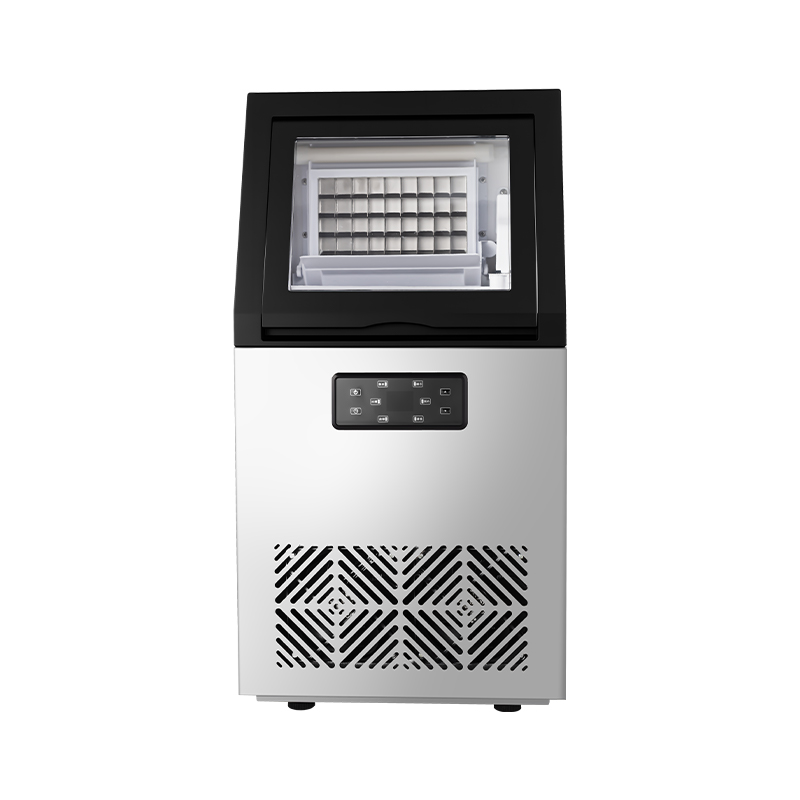 Built-in Cube Ice Maker with Accessible Evaporator for Easy CleaningDesigned for built-in installations, this ice maker features a removable insulation cover and hinged front panel, allowing technicians to reach the evaporator and drain without removing the unit from its cabinet.View Product →
This is especially valuable in food service locations where the unit is integrated into the counter layout.
What to Expect from a Professional Ice Maker Supplier
A manufacturer with experience in OEM and ODM production designs machines with maintainability in mind. Modular construction, as seen on the SMK78F modular cube ice maker, allows each section to be opened and inspected separately. This reduces the time needed for deep cleaning and makes routine inspections easier.
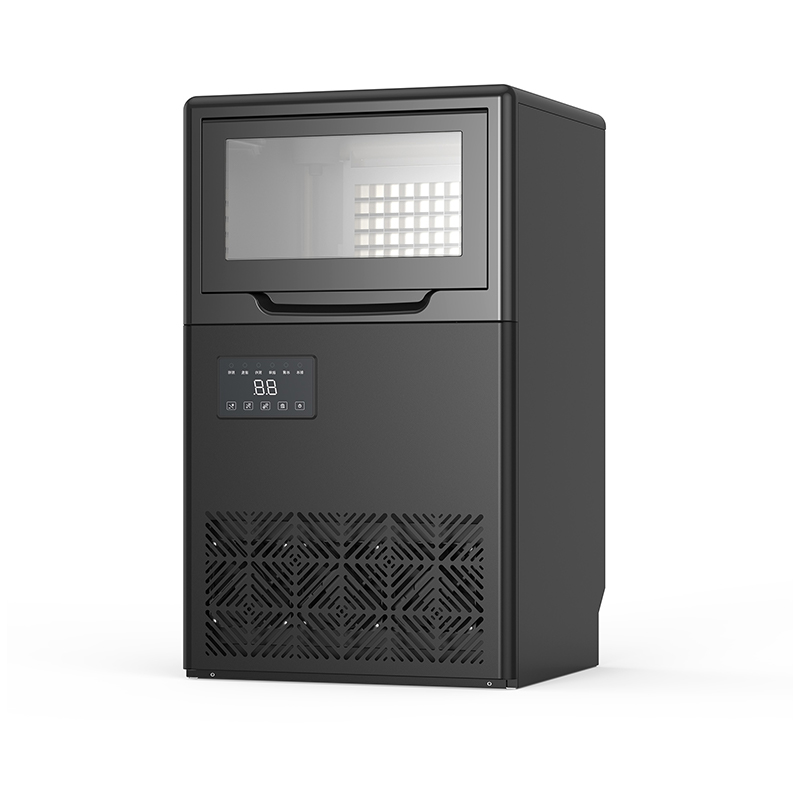 Modular Cube Ice Maker with Individually Accessible SectionsWith modular construction, this ice maker allows each section to be opened and inspected separately, reducing deep cleaning time and simplifying routine inspections for maintenance teams.View Product →
When you choose a supplier, look for a documented quality system, automated production lines, and a spare parts service that can support your cleaning schedule. Our team also publishes maintenance documentation for every model. You can download a printable maintenance checklist from our download center to keep your staff on schedule.
With a clear cleaning plan and a machine designed for service access, your ice maker can maintain consistent output and ice quality for many years.
Related Product
-
-
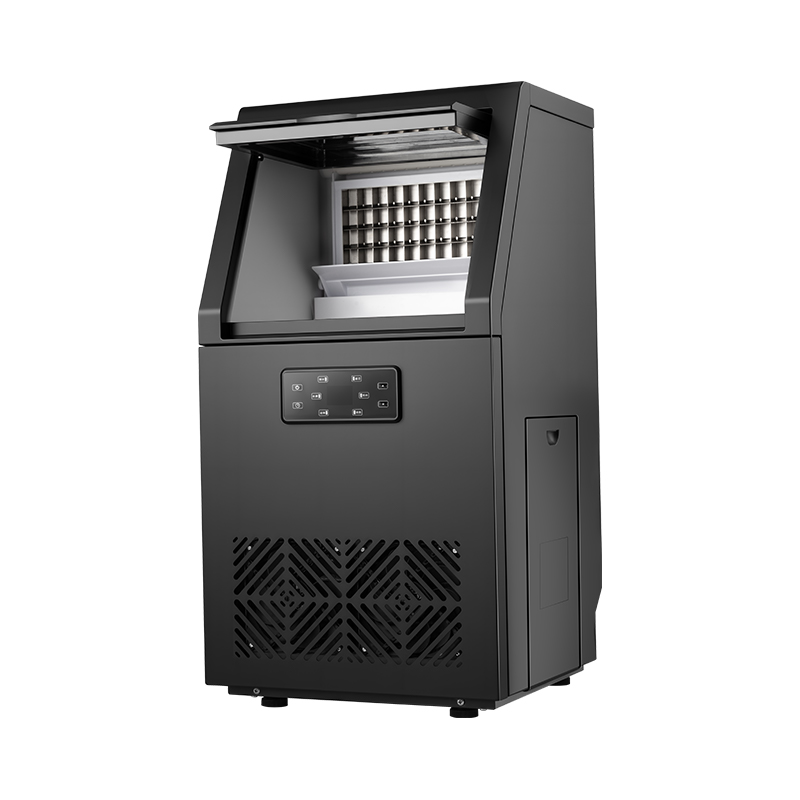
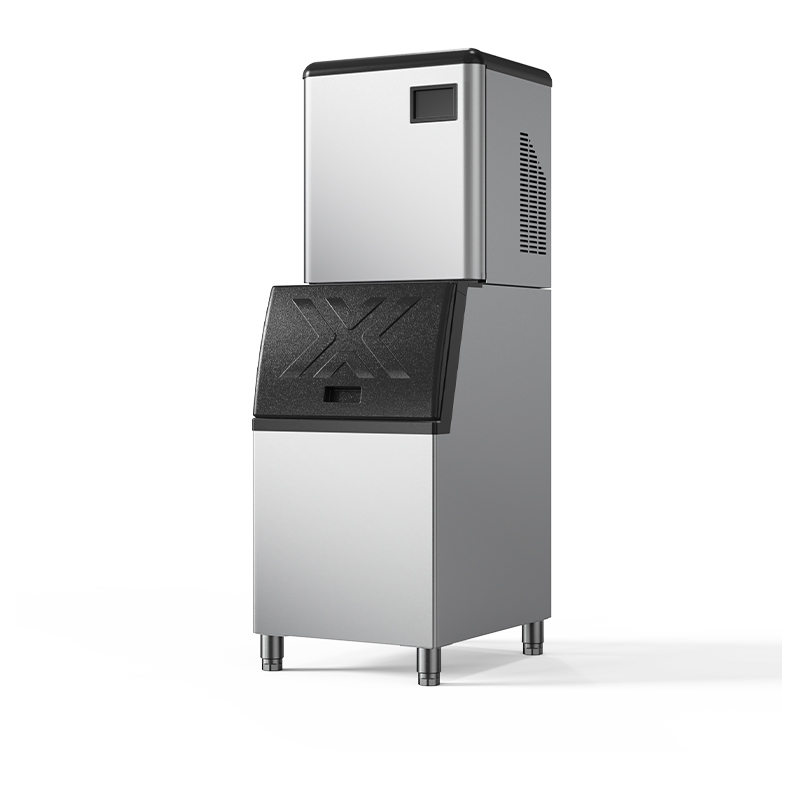
The SMK-24F Full-Cube Undercounter Ice Maker is a fully automated ice-making unit meticulously desig...
+ VIEW MORE -
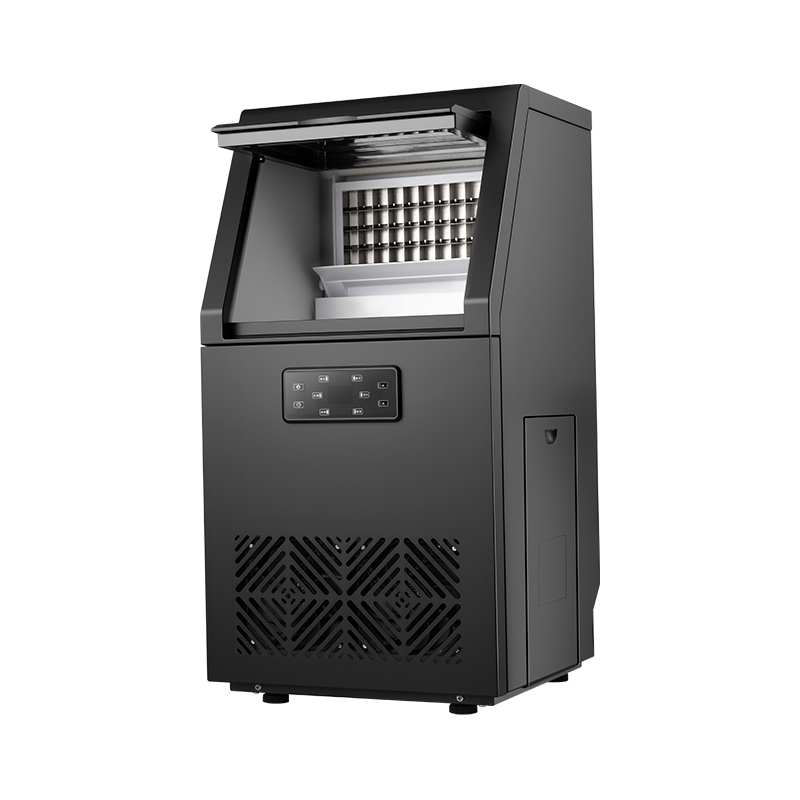
The SMK-32F Smart Integrated Commercial Ice Maker is a highly efficient ice-making device specifical...
+ VIEW MORE -
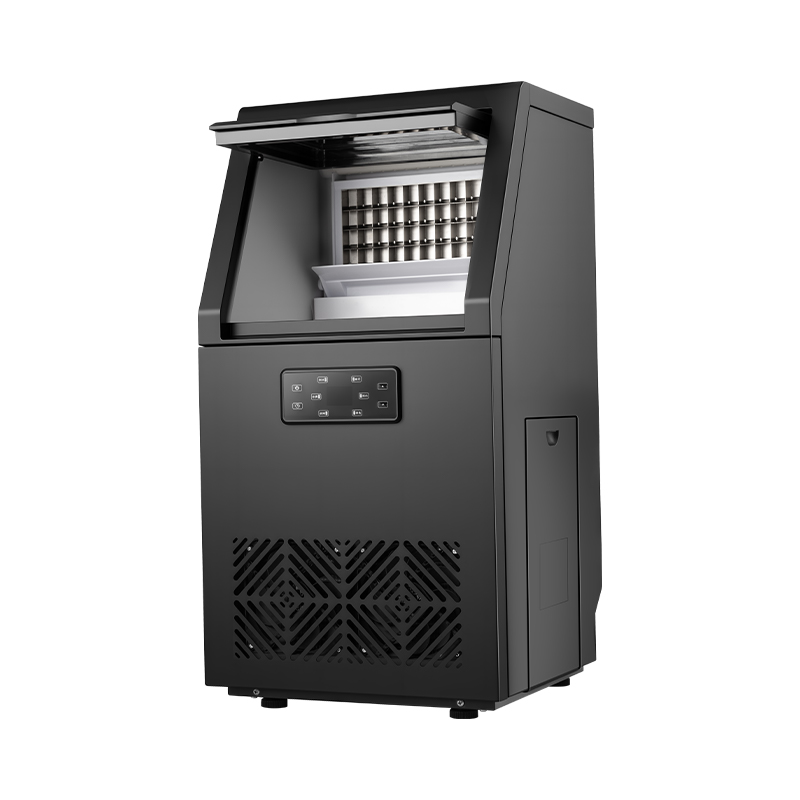
The SMK-36F Built-in Cube Ice Maker is a commercial-grade ice-making device specifically engineered ...
+ VIEW MORE -
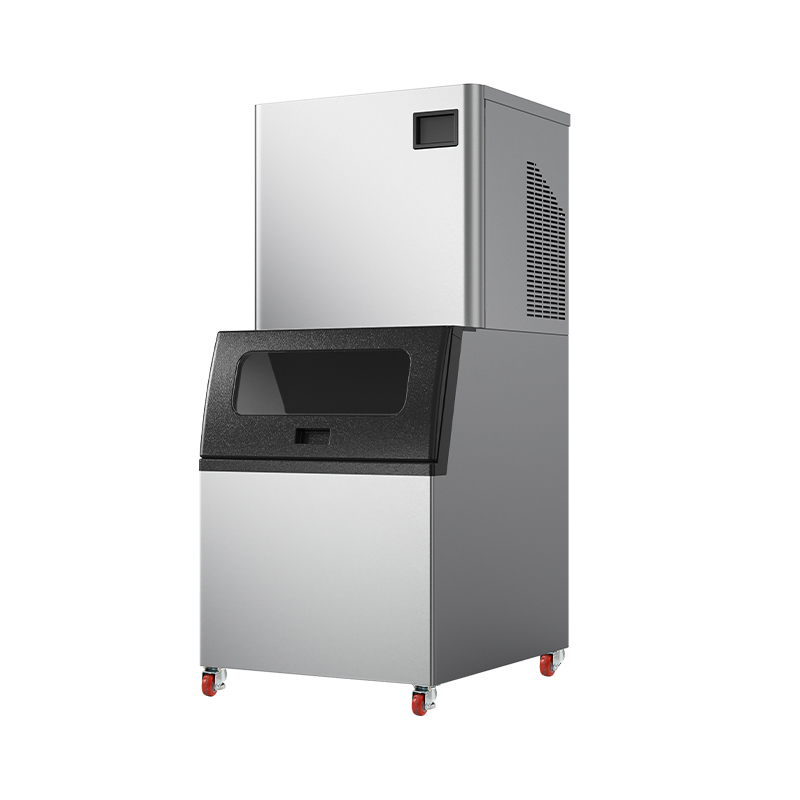
The SMK-260 FRO High-Yield Cube Ice Maker is a split-system ice machine specifically engineered for ...
+ VIEW MORE -
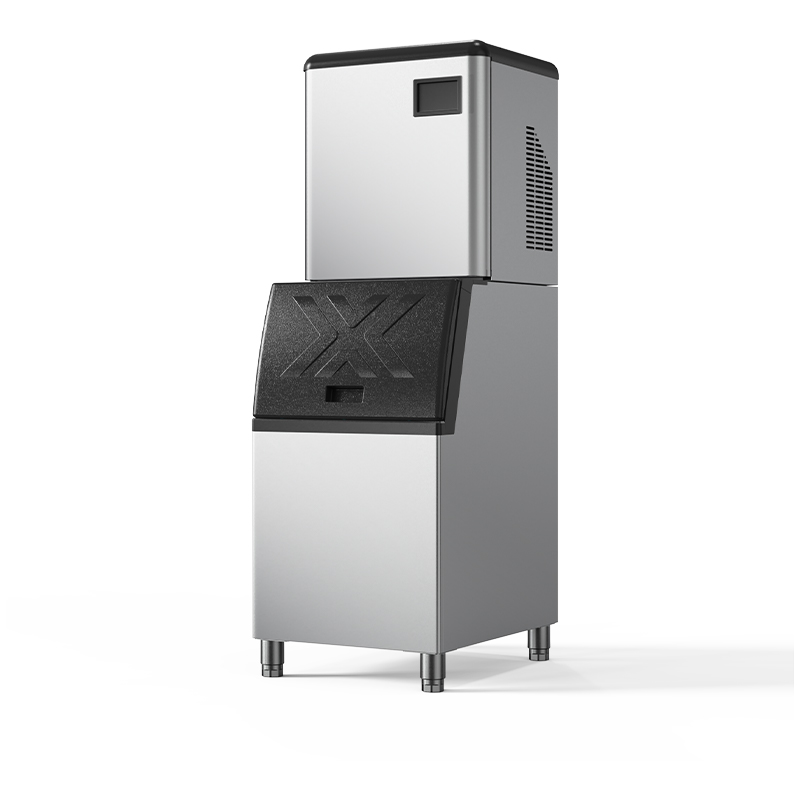
The SMK-182 FRO Stainless Steel Cube Ice Maker is a split-system square ice maker specifically engin...
+ VIEW MORE


Product Categories
Cube Ice Maker Flake Ice Maker Extruded Pellet Ice Maker Split Type Cube Ice Maker Snowflake Ice MakerContact
 [email protected]
 + 86 - 18158466171
 No. 6 Wei'er Road, Xigong District, Xinpu Town, Cixi City, Zhejiang Province, China
Copyright © Cixi City Sharmoon Electric Co., Ltd. All Rights Reserved
Custom commercial ice machine outdoor Manufacturer
OEM/ODM commercial ice machine company
