Industry News Industry News
Home / News & Share / Industry News / Split Type Cube Ice Maker: Is It Right for Your Commercial Operation?

Split Type Cube Ice Maker: Is It Right for Your Commercial Operation?


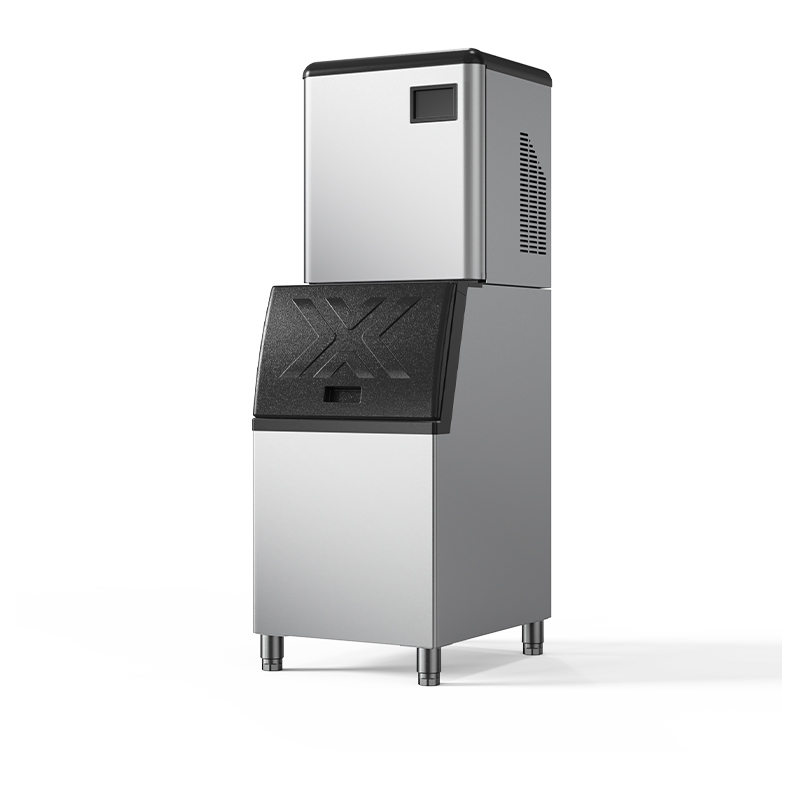
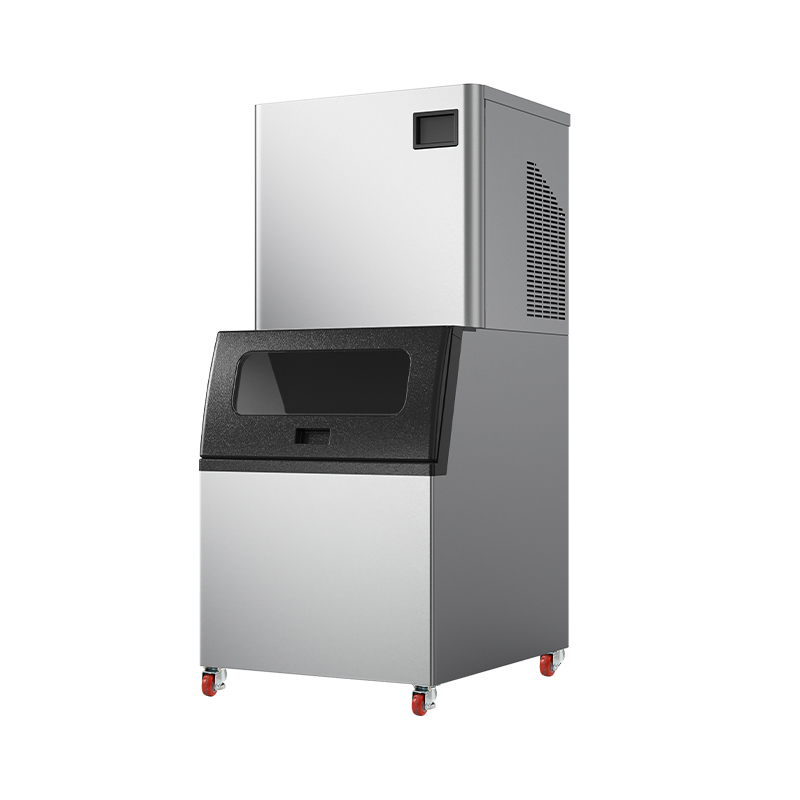
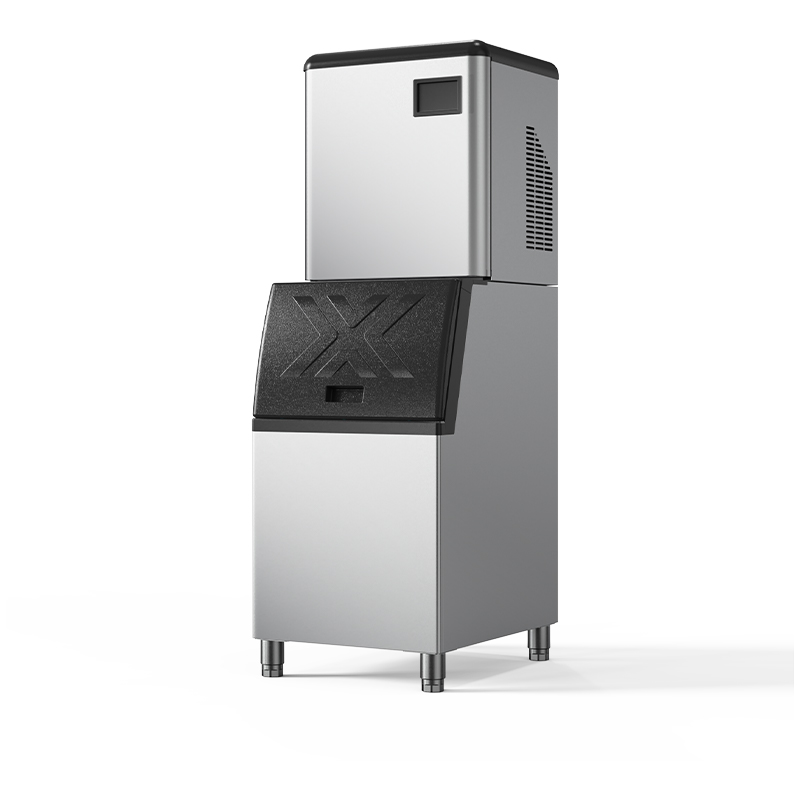
A split type cube ice maker separates the ice-making head from the storage bin, allowing each component to be installed independently in different locations. This modular architecture is the direct answer to why high-volume commercial operations — hotels, chain restaurants, supermarkets, and food processing facilities — consistently choose split configurations over self-contained units: output capacities ranging from 160 kg to over 350 kg per day, combined with flexible installation and superior thermal isolation, make the split type the only practical solution once daily demand exceeds what a compact all-in-one machine can reliably deliver.

This guide explains how a split type cube ice maker works, what separates it from integrated alternatives, which environments benefit most from the split architecture, and the key technical and operational factors buyers should evaluate before committing to a unit.

How a Split Type Cube Ice Maker Actually Works

In a split type cube ice maker, the refrigeration head — housing the compressor, evaporator plate, and water distribution system — is mounted separately from the ice storage bin. Water is pumped over a vertical evaporator grid where it freezes layer by layer into individual cube cells. Once cubes reach target thickness (typically 22–35 mm), a harvest cycle is triggered: refrigerant flow briefly reverses to release the cubes, which fall by gravity into the bin positioned below or beside the unit.

This spray-type, layer-by-layer freezing method effectively expels dissolved impurities and air bubbles from the water as it solidifies, producing cubes with high clarity, sharp edges, and an internal temperature as low as -7°C. The resulting ice is dense, melts slowly, and does not rapidly dilute beverages — a critical quality factor in hospitality and foodservice environments.

Because the ice-making head and bin are physically separated, heat generated by the condenser does not warm stored ice. This thermal isolation improves overall energy efficiency and extends usable storage time between service intervals. Remote condenser configurations are also available, where the condenser is installed outdoors or in a dedicated ventilated space to further reduce ambient heat load in the kitchen or bar area — a particularly valuable option in hot climates.

Split Type vs. Self-Contained: Key Differences That Drive the Decision

The most important distinction between a split type cube ice maker and a self-contained unit is not aesthetics or footprint — it is the ability to scale output and storage independently. When the production head and bin are fixed together in a single cabinet, the operator is locked into whatever bin size the manufacturer paired with that head. In a split system, bin capacity is selected separately based on projected peak demand, which prevents both undersizing during busy periods and unnecessary overbuilding.

Criteria Split Type Cube Ice Maker Self-Contained Unit
Daily Output Capacity 160–350+ kg/day 15–150 kg/day
Installation Flexibility High — head and bin placed independently Low — single footprint required
Thermal Isolation Excellent Limited
Storage Bin Scalability Bin sized independently of head Fixed by cabinet design
Maintenance Access Each module serviced independently Full unit shutdown required
Noise Management Head can be placed in back-of-house Fixed in service area
Table 1: Split type cube ice maker vs. self-contained unit across key operational parameters

The independent servicing advantage deserves emphasis. When the compressor in a self-contained unit needs replacement, the entire machine — bin included — goes offline. With a split system, the head and bin can be addressed separately, reducing downtime during peak service periods.

Which Commercial Environments Benefit Most from the Split Architecture

The high output capacity and installation flexibility of split type cube ice makers make them the standard choice across several commercial settings where self-contained units simply cannot keep pace with demand.

Large-Scale Dining and Chain Operations

Chain hot pot restaurants, buffets, and fast-food outlets consume substantial quantities of ice, with demand often peaking during specific hours. The oversized storage bins of split type units allow for the pre-accumulation of ample ice reserves, ensuring uninterrupted supply even when the lunch or dinner rush hits simultaneously across multiple service points.

Hotels, Resorts, and High-End Hospitality

A single ice-making head mounted in a back-of-house mechanical room can feed multiple storage bins or dispensers distributed across guest floors and banquet areas. This arrangement satisfies operational ice needs while keeping the production unit — and its associated noise — away from guest spaces, enhancing both the acoustic environment and the aesthetic quality of bars and lounges.

Bars, Entertainment Venues, and Nightclubs

Nighttime entertainment venues face concentrated, high-intensity ice demand. The split type design enables placement of the ice-making unit away from the main service floor, preventing compressor noise from interfering with the customer experience. The large-capacity storage bin ensures sufficient ice is available throughout the entire night without requiring mid-service restocking from an external source.

Supermarkets, Fresh Food Markets, and Food Processing

Split type units used for chilled seafood and meat display can be connected to multiple ice-dispensing outlets or integrated with automated delivery systems, allowing market staff to access ice on demand without disrupting the ice-making cycle. In food processing and central kitchen environments, the high production capacity and continuous operating capability of split systems effectively meet the consistent ice demands of active production lines where ingredient temperature control is non-negotiable.

Core Technical Features That Determine Long-Term Performance

Not all split type cube ice makers are built to the same standard. The following technical features have the most direct impact on output consistency, energy costs, ice quality, and maintenance burden over the product's service life.

  • Evaporator material: Nickel-plated red copper or stainless steel construction provides superior thermal conductivity and corrosion resistance compared to standard alternatives. This directly affects both ice production rate and long-term durability in environments with hard water.
  • Water-saving freezing cycle: Advanced split type designs require no water drainage during the freezing phase, achieving up to 30% water savings versus traditional models that flush water at the start of each harvest cycle.
  • Polyurethane foam insulation: Thick-layer insulation applied to the storage bin minimizes cold loss between service intervals, reducing compressor restart frequency and overall energy consumption.
  • Intelligent microcomputer control: Fully automated water supply, ice making, and harvesting sequences — with photoelectric bin-full sensing that shuts down production automatically and restarts once ice is removed — allow genuinely unattended operation unaffected by ambient temperature fluctuations.
  • Automatic fault detection: The control system identifies malfunction type and enters the appropriate self-correction mode, reducing the need for service callouts for minor operational issues.
  • Food-grade materials throughout: All ice-contact surfaces in compliant units are constructed from stainless steel or certified food-grade materials, meeting international hygiene standards. Automatic water circulation cleaning functions further prevent bacterial growth in the water system.
  • Eco-friendly refrigerants: Modern split type cube ice makers utilize refrigerants with low ozone depletion potential, aligning with environmental compliance requirements in major export markets.

Sizing the System: Matching Output and Storage to Peak Demand

One of the most common and costly mistakes in commercial ice machine procurement is sizing based on average daily demand rather than peak demand. A venue that consumes 120 kg of ice on a normal weekday may require 200 kg or more during weekend peak periods or special events. The general rule used by commercial kitchen planners is to size the system to 1.5× average daily demand to provide adequate buffer without excessive capital expenditure.

The independent bin sizing of split systems is a direct advantage here. A 160 kg/day production head, for example, can be paired with an 80 kg storage bin to handle short-duration demand spikes without the head needing to run continuously at full output. A 350 kg/day head can be paired with a 150 kg bin for venues with more extreme peak-to-average demand ratios.

Ambient temperature also factors significantly into real-world output. Manufacturer-rated daily output figures are typically measured at 21°C ambient air and 10°C inlet water temperature. In hot climates where ambient temperatures exceed 35°C, actual output can decrease by 15–25%. Remote condenser configurations, where the condenser is placed outdoors or in a well-ventilated equipment room, minimize this performance degradation and are strongly recommended for tropical or high-temperature installations.

Installation Planning: What to Verify Before Committing to a Unit

Proper pre-installation verification prevents the majority of performance problems and warranty complications that arise after deployment. Address the following before finalizing a split type cube ice maker specification:

  1. Head-to-bin distance: For standard gravity-drop configurations, the ice-making head mounts directly above the bin with a gap of 0–150 mm. In remote condenser setups with extended refrigerant lines, the condenser can typically be placed 15–30 meters away, depending on pipe diameter and refrigerant type. Confirm maximum line-set length with the manufacturer before specifying the layout.
  2. Water supply pressure: Most units require 20–80 PSI with a 3/8-inch or 1/2-inch inlet connection. Incoming water temperature ideally below 21°C for rated output performance.
  3. Drain access: Gravity drains require a minimum 1/4-inch drop per foot. If a gravity drain is not accessible, budget for a drain pump and ensure proper air-gapping per local plumbing codes to prevent backflow.
  4. Electrical supply: Verify nameplate amperage against available circuit capacity. Running a commercial split type ice maker on an undersized circuit is a safety hazard and typically voids the manufacturer warranty.
  5. Water hardness: Scale buildup from hard water is among the leading causes of premature ice machine failure. Water hardness above 15 grains per gallon typically requires dedicated filtration or water softening. Factor filter replacement costs into the annual operating budget.
  6. Ventilation clearance: Air-cooled condensers require adequate clearance on all sides. Confirm minimum clearance requirements with the specific model specification sheet before finalizing the installation plan.

Maintenance Schedule to Protect Output and Extend Service Life

A split type cube ice maker operated without a structured maintenance schedule will experience declining output, deteriorating ice quality, and shortened service life. The following schedule reflects standard commercial practice:

Frequency Task
Weekly Wipe down exterior; check water filter status; inspect drain for blockages
Monthly Clean condenser air filter (air-cooled models); inspect water inlet screens
Every 3–6 Months Full descale and sanitize of water circuit and ice bin; replace water filter cartridge
Annually Professional inspection of refrigerant charge, evaporator, electrical connections
Every 3–5 Years Replace wear parts: water pump, door gaskets; inspect ice mold surfaces
Table 2: Recommended maintenance schedule for commercial split type cube ice makers

Units equipped with automatic water circulation cleaning cycles significantly reduce labor requirements for routine sanitation. The residual water drainage mechanism — which purges standing water from the system after each cycle — is a particularly important feature for preventing bacterial growth in environments where the machine operates intermittently rather than continuously.

What to Look for When Sourcing from a Manufacturer

For buyers sourcing split type cube ice makers for distribution, private-label programs, or OEM supply, the manufacturer's production capabilities and support infrastructure matter as much as the machine specifications. Key evaluation criteria include:

  • Vertical integration: Factories that produce their own evaporator plates, control boards, and cabinet components maintain tighter quality control and shorter lead times than assembly-only operations dependent on third-party supply chains.
  • Market certifications: Confirm the supplier holds CE (Europe), ETL or UL (North America), or SAA (Australia) certifications for the specific models being imported — not just for a sample unit presented during factory audit.
  • OEM/ODM capability: A capable manufacturing partner should support voltage customization (110V/60Hz or 220V/50Hz), private-label branding, and bin-size pairing recommendations calibrated to projected daily demand for each target market.
  • After-sales documentation: Request multilingual installation manuals, exploded-view diagrams, and a confirmed spare-parts supply commitment for at least five years post-purchase. Manufacturers with robust independent R&D capabilities — evidenced by active product development pipelines and documented patent portfolios — are generally more reliable long-term partners than those relying entirely on licensed designs.

Summary: Is a Split Type Cube Ice Maker Right for Your Operation?

The split type cube ice maker is the right solution when daily ice demand exceeds the reliable output ceiling of self-contained units, when installation constraints require separating the production head from the dispensing or storage point, or when peak demand variability makes oversized bin capacity a practical necessity rather than a luxury.

Key decision factors — output capacity sizing, ambient temperature conditions, installation clearances, water quality, and long-term maintenance commitments — should all be resolved before selecting a specific model. The purchase price of the unit is one component of its true cost; energy consumption, water usage, maintenance labor, and parts availability over a 7–10 year service life determine whether the investment delivers its expected return.

Buyers who align machine specifications precisely with operational requirements — and source from manufacturers with documented vertical integration, active product development, and reliable after-sales support — consistently achieve better outcomes than those who optimize for upfront cost alone.