

 English
  Español
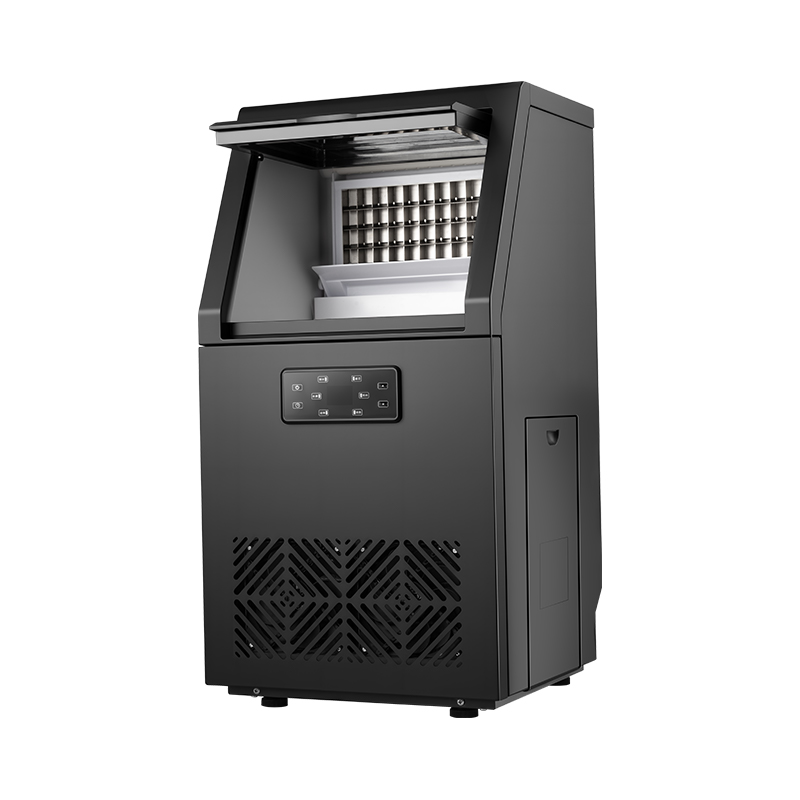
 The SMK-24F Full-Cube Undercounter Ice Maker is a fully automated ice-making unit meticulously desig...
+ VIEW MORE
 Industry News
HOME / News & Share / Industry News / Cloudy Ice Cubes From Your Ice Maker: Causes, Fixes, and Prevention Tips
Cloudy Ice Cubes From Your Ice Maker: Causes, Fixes, and Prevention Tips
Sharmoon appreciates your support and sincerely looks forward to cooperating with you for mutual development!
Content
Last week, a bar operator in Texas pulled sixty pounds of freshly made cubes from an undercounter machine and realized nearly every cube had a dull white core. His first reaction was the same one most operators have: the ice maker is failing. It probably is not. Cloudy ice is not a mechanical failure — it is the physical result of how water freezes inside the equipment. The real question is whether the cause is the water supply, the maintenance routine, or the machine itself.
Answering that question correctly is the difference between regularly dumping ice and permanently fixing the problem. Here is what causes cloudy ice cubes from an ice maker, how to diagnose your specific situation, and when the equipment is the real culprit.
What Actually Causes Cloudy Ice Cubes
When water freezes, it does not solidify uniformly. The outer shell of each cube freezes first, pushing dissolved gases and minerals toward the still-liquid center. When the core finally freezes, these impurities are trapped inside a dense network of micro-bubbles. Every bubble scatters light in a different direction, and that scattered light is exactly why the cube looks white instead of transparent.
Three conditions control how much cloudiness develops:
- The concentration of dissolved gas in the feed water
- The mineral content of the feed water
- The speed of the freeze cycle
Dissolved gases carry the most weight. Municipal water holds oxygen, nitrogen, and carbon dioxide in solution. When water is chilled rapidly inside an ice maker, those gases lose solubility and form micro-bubbles at the freezing boundary. The faster the water freezes, the more gas is trapped and the whiter the cube becomes.
Commercial cube machines spray water over a metal evaporator plate in thin sheets, so freezing happens in minutes rather than hours. That speed leaves dissolved gases almost no time to escape, which is why machine-made ice is naturally cloudier than ice frozen slowly in a still chest freezer.
| Factor | What happens during freezing | Typical ice symptom |
|---|---|---|
| Dissolved gases (O2, CO2, N2) | Gas comes out of solution at the freeze front | White core or random white patches |
| Hard water minerals (calcium, magnesium) | Minerals concentrate in the remaining liquid and deposit on the plate | White flaky spots plus scale on the evaporator |
| Rapid freeze cycle | Freezing front moves too fast for gas to escape | Evenly cloudy, fully opaque cube |
| Scale on the evaporator | Uneven heat transfer from the plate to the water | Patchy, soft, and cloudy cubes |
Is Cloudy Ice Safe to Use?
Let’s answer the question every buyer asks first: cloudy ice from a clean and properly maintained machine is safe to consume. The trapped content is ordinary air, and the minerals are the same compounds already present in the drinking water supply. Neither creates a health risk for customers or staff.
Safety, however, is not the same as quality. In a commercial kitchen or bar, cloudy ice creates three practical problems:
- Visual appeal suffers. Cloudy cubes make drinks look flat, and guests notice the difference within seconds.
- Dilution speeds up. The micro-bubbles add surface area, so the ice melts faster and waters down spirits, soda, or coffee.
- Taste carries over. Trace organics like chlorine or sulfur concentrate during freezing and then release into the drink as the cube shrinks.
For a cocktail bar or a hotel that serves drinks as a signature product, clear ice is a visible quality signal. Cloudy cubes are not a health hazard, but they are a clarity issue that affects how the whole drink is perceived.
Diagnose the Root Cause in Your Machine
Before changing anything, run through these four checks in order. In most cases, one of them identifies the source of the problem.
- Test the water supply. Use a handheld TDS (total dissolved solids) meter on the water feeding the machine. Readings above roughly 200 ppm mean hard water is the starting point of the problem.
- Check the age of stored ice. Ice held in the bin for more than a week absorbs refrigerator odors and turns opaque as the surface slowly sublimates and refreezes.
- Inspect the evaporator plate. A white crusty layer on the freezing surface means scale has built up and descaling is overdue.
- Review the installation environment. If the machine sits near a heat source or the condenser vents are blocked, the freeze cycle cannot run at its designed speed.
Hard water is the most common culprit in commercial locations. When the cold-water supply carries more than about 200 ppm of dissolved solids, calcium and magnesium separate from the water during freezing and bond to the evaporator as scale. That scale insulates the plate, slows heat transfer, and produces cubes that freeze unevenly. Uneven freezing always makes cloudiness worse.
After the water, the environment matters most. Most machines are rated for ambient temperatures between 10°C and 32°C. Placed next to a hot oven or inside a tight cabinet, the compressor runs longer, the condensing temperature rises, and the evaporator cannot hold a stable freezing point. The result is an erratic freeze cycle that locks gas into every cube. If you want to understand the mechanics behind this, see how the ice machine refrigeration cycle affects ice quality in more detail.
Practical Fixes That Work Right Now
Here is the conclusion up front: you do not need a new ice maker to fix most cloudy ice problems. You need cleaner water and a cleaner freezing surface.
Five fixes that cover nearly every case
- Switch to filtered or reverse-osmosis water. A carbon filter removes chlorine and organic compounds; an RO system removes most dissolved minerals. Both lower the gas and mineral load entering the freeze plate.
- Descale the water circuit on a schedule. Use a food-safe citric acid descaler every three months, or monthly in hard-water areas. This restores the evaporator’s ability to pull heat out of the water quickly and evenly.
- Give the machine room to breathe. Maintain at least 10 to 15 cm of clearance around the vents, and vacuum the condenser coils every two months.
- Discard the first batch after cleaning or downtime. The first cycle after a cleaning or an off period always contains leftover cleaning solution, loose scale, and aerated water.
- Rotate stored ice weekly. Ice is a food product, and old ice degrades in clarity and odor. Pull older cubes out first so the bin never holds ice for more than a week.
When the Ice Maker Itself Is the Real Problem
If you have switched to filtered water, descaled the evaporator, and kept the condenser clean, yet the cubes still come out consistently cloudy, the equipment design is now the limiting factor. Aging compressors, undersized evaporators, and dirty condensers cannot hold the stable freeze temperature that clear ice requires.
Modern cube ice machines reduce cloudiness at the engineering level. Instead of freezing a static pool of water, they spray a thin film across the evaporator in repeated passes. Each pass deposits a layer of ice; between passes, dissolved gases escape from the remaining liquid. This layer-by-layer freezing is why a well-designed cube machine produces noticeably clearer ice than an old gravity-fed unit.
For compact layouts, the SMK24F Fullcube undercounter model applies this spray-freeze method to produce full-size cubes while fitting neatly under a bar or counter.
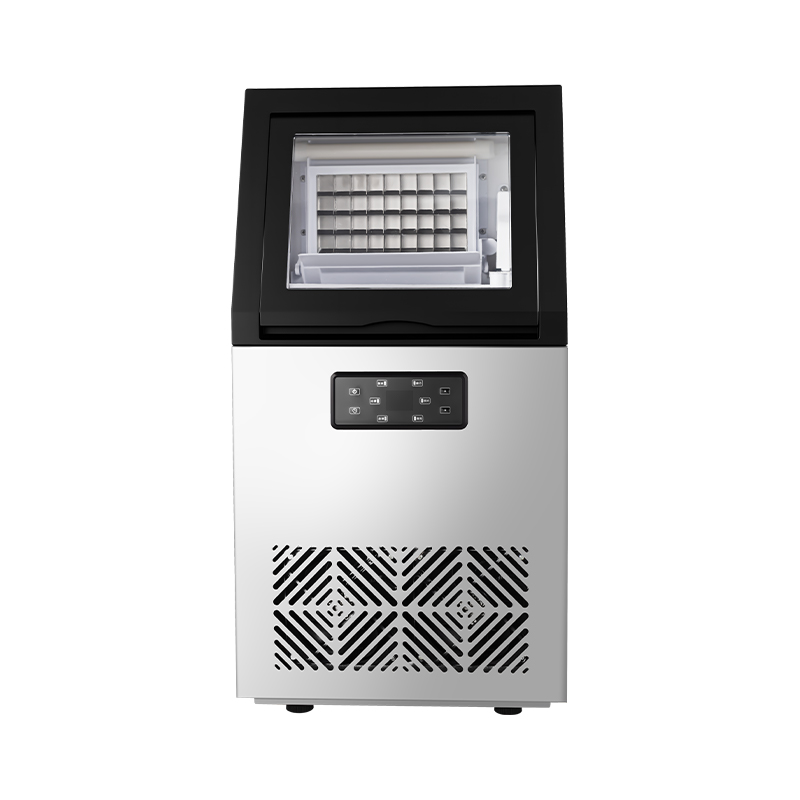 Compact Undercounter Full-Cube Ice Maker with Spray-Freeze TechnologyThis undercounter unit delivers full-size cubes in a space-saving footprint, ideal for bars or counters. Its automated cycle and dual water supply support reliable daily production in compact commercial layouts.View Product →
For operations that run long service days, the SMK32F links ice level monitoring with the refrigeration controller, so the machine runs shorter, cleaner cycles instead of holding aged ice in the bin.
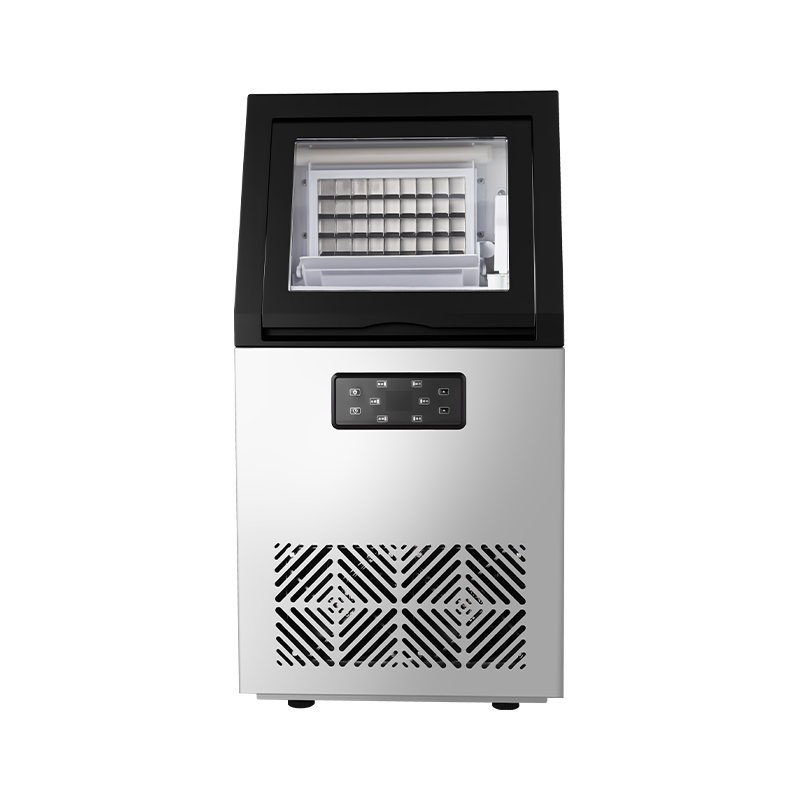 Smart Integrated Ice Maker with Auto-Stop and Restart FunctionsDesigned for long service hours, this model links ice level monitoring with the refrigeration controller, running shorter, cleaner cycles. Its intelligent sensors prevent energy waste while maintaining consistent cube quality.View Product →
For built-in kitchen designs, the SMK36F drops into a standard cabinet opening while retaining the same layered freezing process, making clear ice a design priority rather than an afterthought.
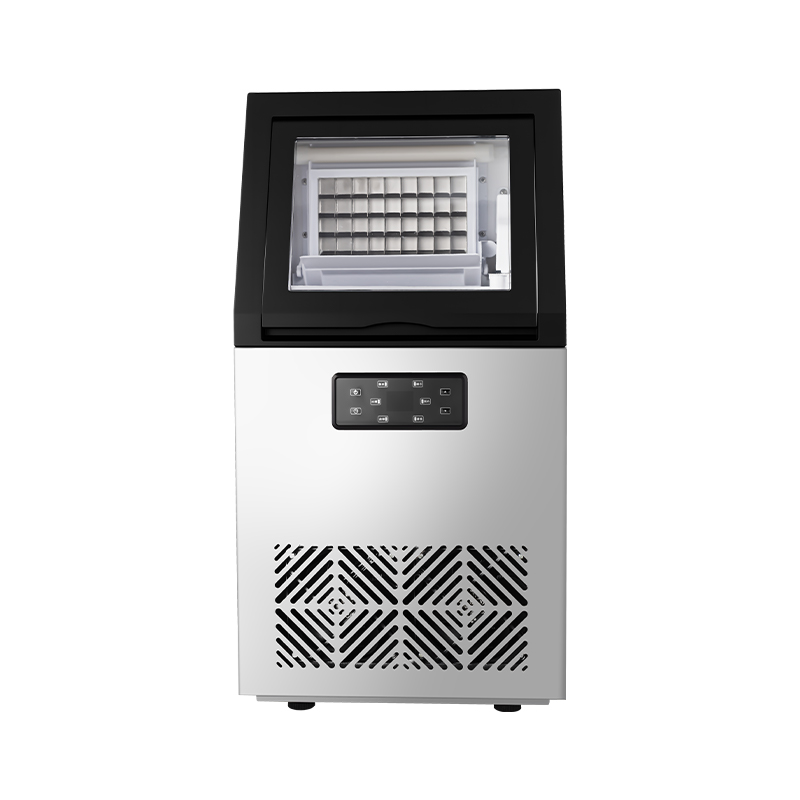 Built-in Commercial Cube Ice Maker for Standard Cabinet OpeningsThis built-in model fits standard cabinet openings while producing clear, hard cubes through a layered freezing process. Its integrated design prioritizes both ice quality and space efficiency for commercial kitchens.View Product →
A Maintenance Schedule That Keeps Cubes Clear
Prevention is cheaper than correction. Operators who follow a simple schedule rarely see chronic cloudiness. The table below summarizes the routine that keeps both ice quality and machine efficiency high.
| Frequency | Action | Why it matters |
|---|---|---|
| Weekly | Dump old ice and wipe down the bin interior | Prevents odor absorption and surface etching on stored cubes |
| Monthly | Clean the water circuit and replace the water filter | Removes biofilm and stops minerals from entering the freeze cycle |
| Quarterly | Descale the evaporator with a food-safe descaler | Restores full heat transfer and consistent freeze speed |
| Annually | Professional check of refrigerant charge and condenser coils | Keeps the freeze temperature stable under peak load |
For daily setup, operation, and cleaning steps, refer to our cube ice maker setup, operation, and cleaning guide.
Cloudy ice is not a mystery. It is trapped gas, mineral buildup, or a freeze cycle that is not performing as designed. Correct the water, keep the freezing surfaces clean, and right-size the machine for the demand — that is the complete formula for clear, service-ready ice.
Related Product
-
-
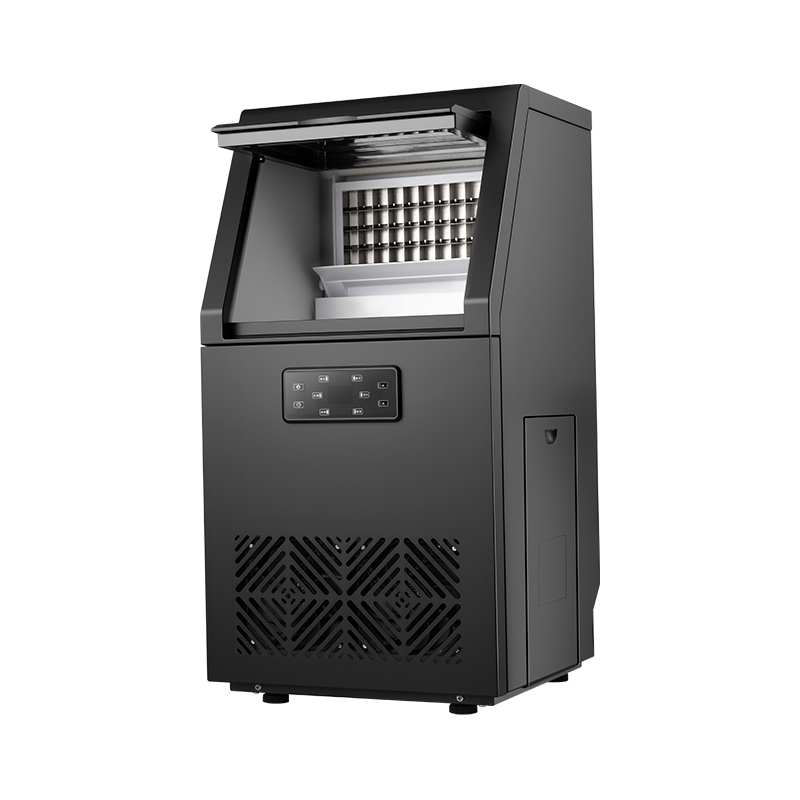
The SMK-32F Smart Integrated Commercial Ice Maker is a highly efficient ice-making device specifical...
+ VIEW MORE -
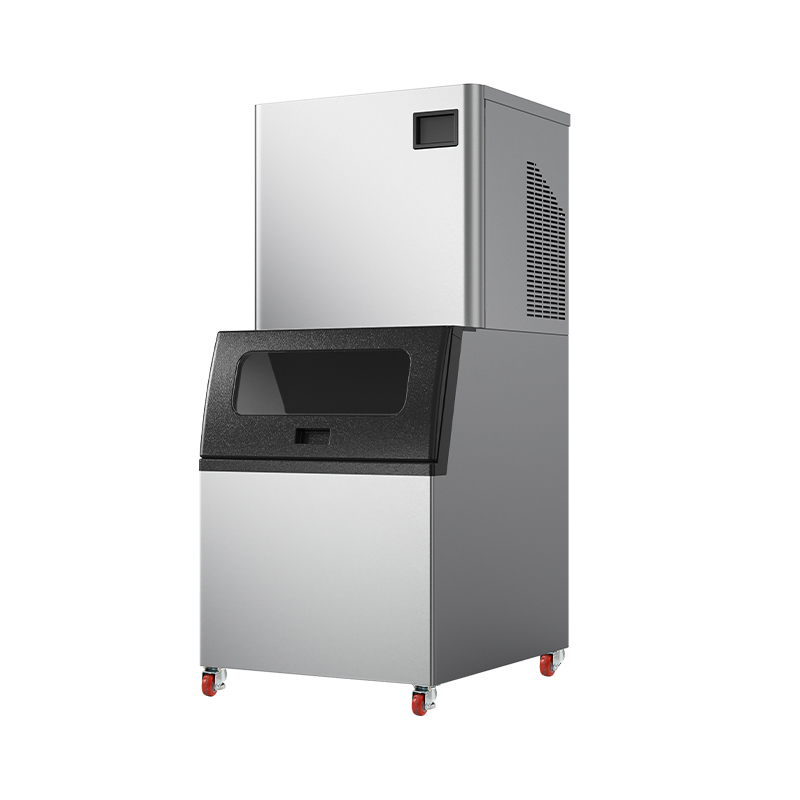
The SMK-260 FRO High-Yield Cube Ice Maker is a split-system ice machine specifically engineered for ...
+ VIEW MORE -
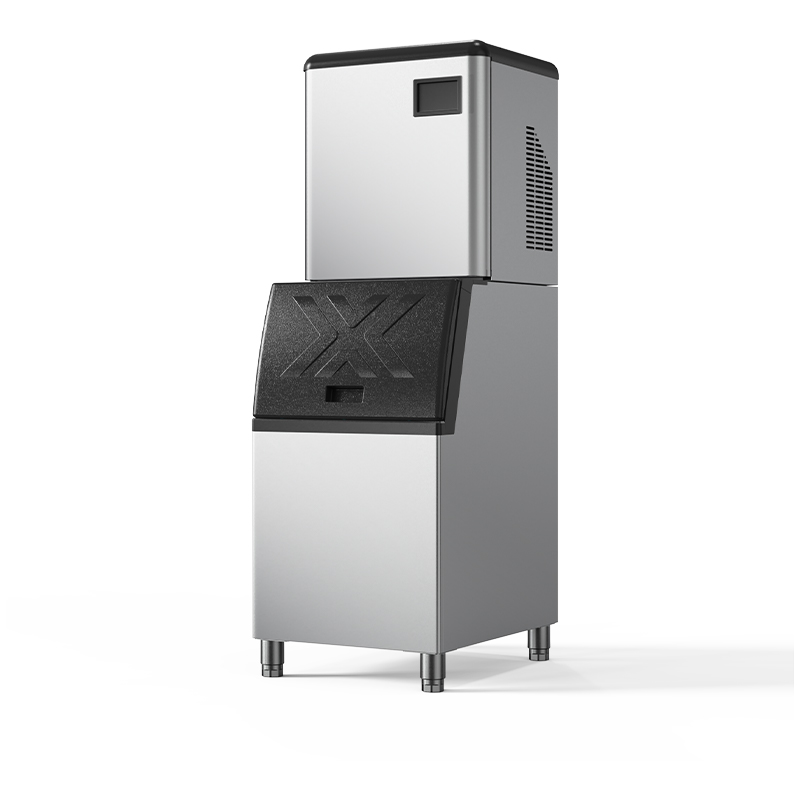
The SMK-182 FRO Stainless Steel Cube Ice Maker is a split-system square ice maker specifically engin...
+ VIEW MORE -
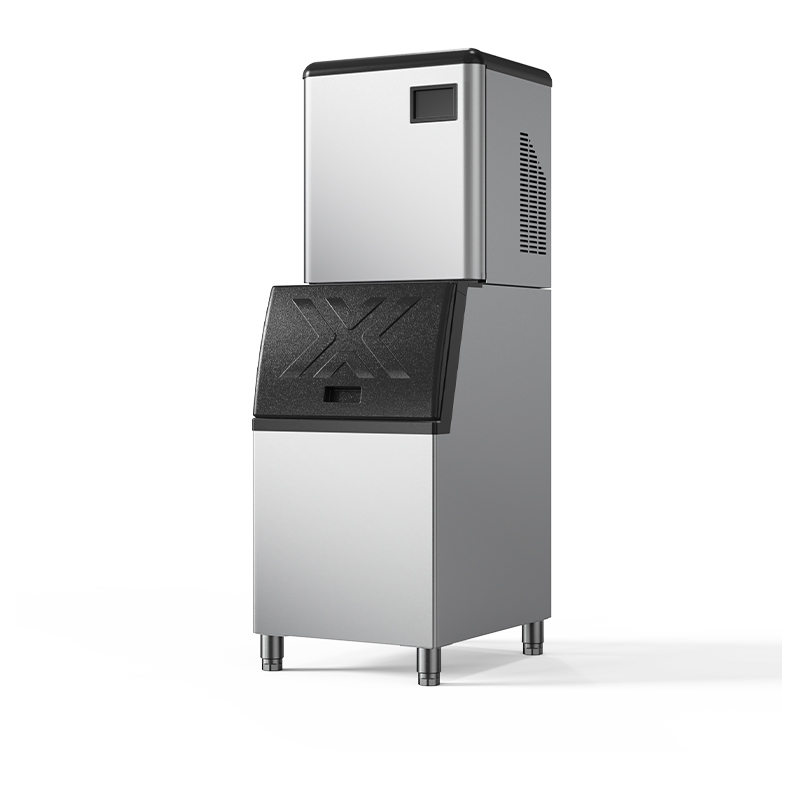
SMK-156 for High-Capacity Cube Ice Maker— A Commercial Flagship and Production Powerhouse
+ VIEW MORE -
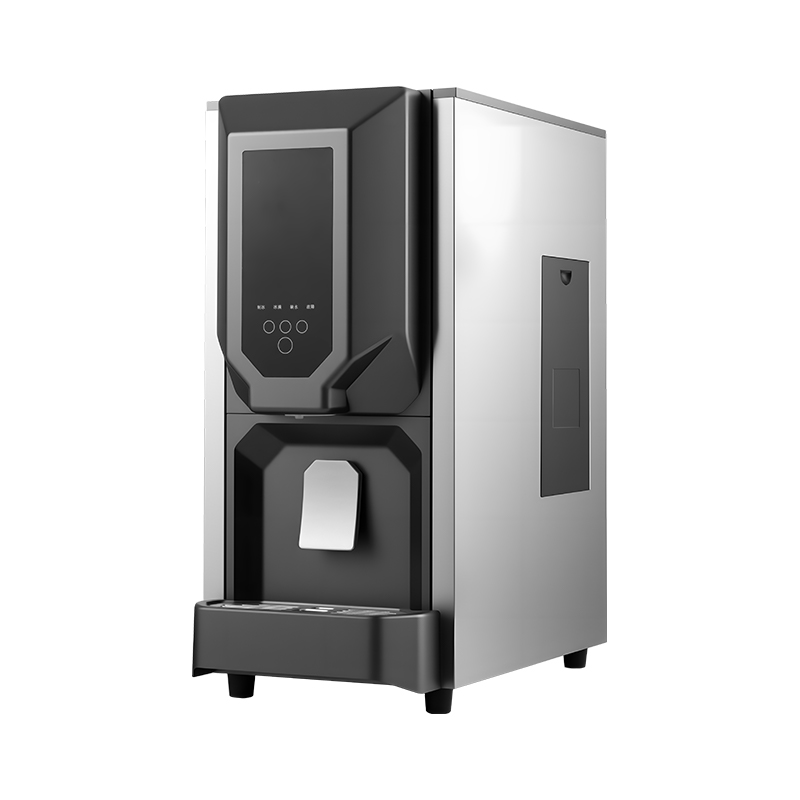
SMK-EA 50 FRO Dual-Core Indoor Nugget Ice Maker— The Barista's Ally, A Powerhouse of Efficiency
+ VIEW MORE


Product Categories
Cube Ice Maker Flake Ice Maker Extruded Pellet Ice Maker Split Type Cube Ice Maker Snowflake Ice MakerContact
 [email protected]
 + 86 - 18158466171
 No. 6 Wei'er Road, Xigong District, Xinpu Town, Cixi City, Zhejiang Province, China
Copyright © Cixi City Sharmoon Electric Co., Ltd. All Rights Reserved
Custom commercial ice machine outdoor Manufacturer
OEM/ODM commercial ice machine company
