Industry News Industry News
Home / News & Share / Industry News / How Does a Commercial Ice Maker Work? A Complete Guide to the Cube Ice Making Cycle

How Does a Commercial Ice Maker Work? A Complete Guide to the Cube Ice Making Cycle


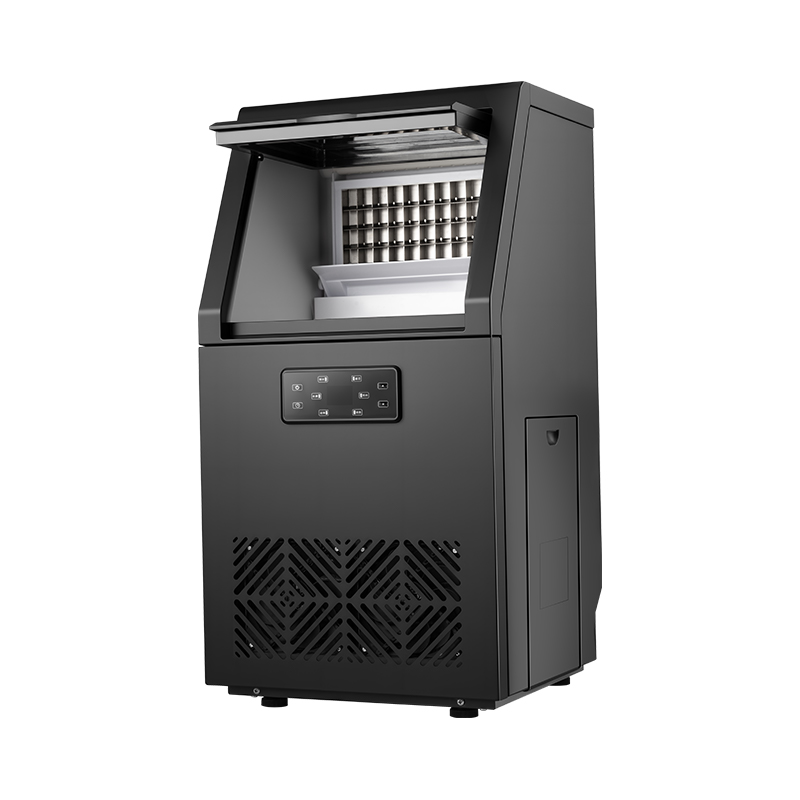
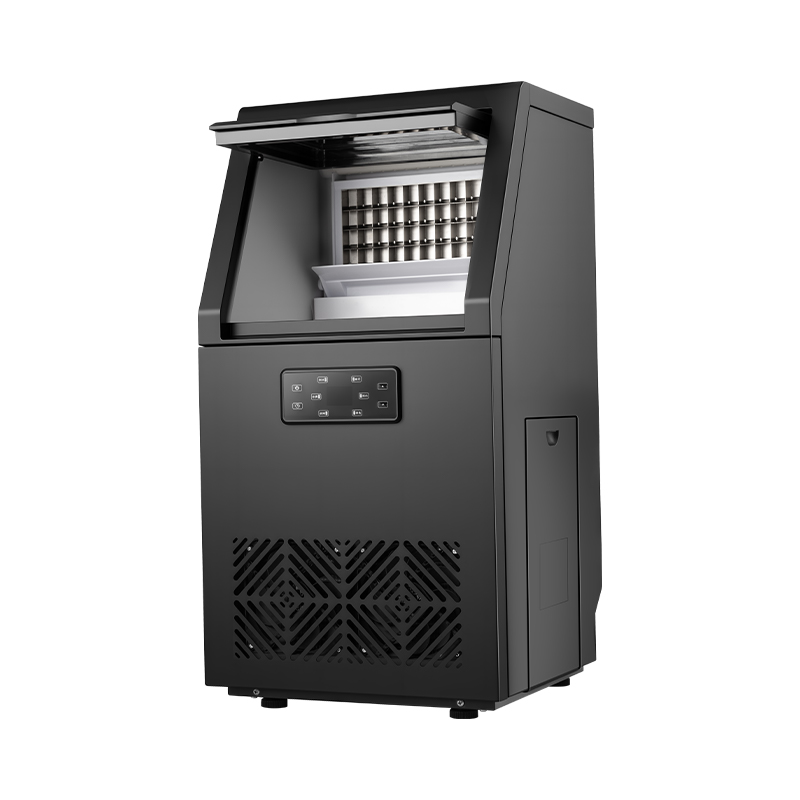
A commercial ice maker works by running water through a refrigeration cycle that progressively freezes it into dense, clear cubes, then automatically harvests and stores them for immediate use. The entire process — from water intake to ice drop — is fully automated and repeats in continuous cycles throughout the day. Understanding each stage helps buyers evaluate machine quality, predict output consistency, and maintain equipment more effectively.

This article explains the four core stages of the ice-making cycle in a cube ice maker, covers how key components influence ice quality, and outlines what separates a well-engineered commercial unit from an underpowered one.

The Four-Stage Ice-Making Cycle Explained

Every commercial cube ice maker follows the same fundamental sequence. The differences between models — in ice clarity, cube density, and daily output — come down to how precisely each stage is engineered and controlled.

Stage 1: Water Fill and Distribution

The cycle begins when a solenoid valve opens and allows fresh water to enter the reservoir. A pump then circulates this water continuously over the surface of the evaporator plate — a grid of individual cube-shaped molds. Rather than filling each mold directly, the water is distributed in a thin, flowing sheet. This constant circulation is critical: it allows dissolved gases and minerals to be flushed away before freezing, which is the primary reason well-designed cube ice makers produce clear, hard ice rather than cloudy or brittle cubes.

Stage 2: Refrigeration and Freezing

While water circulates over the evaporator, the refrigeration system is actively removing heat. The compressor pressurizes refrigerant gas, which then passes through a condenser where heat is released into the surrounding air (or water, in water-cooled models). The refrigerant then expands through a metering device, dropping sharply in temperature before entering the evaporator. This cold evaporator surface causes the flowing water to freeze progressively from the outside inward, layer by layer. Slow, layered freezing is what produces the characteristic optical clarity and high density of quality cube ice — a direct result of controlled refrigerant flow and stable evaporator temperature.

Modern commercial units use eco-friendly refrigerants such as R290 (propane-based), which offer efficient heat transfer at lower environmental impact. The evaporator itself is typically constructed from nickel-plated copper or corrosion-resistant alloy to maximize thermal conductivity and long-term durability.

Stage 3: Harvest (De-icing)

Once the cubes reach the target thickness — detected by a sensor or timed control — the machine initiates the harvest cycle. The hot refrigerant gas is briefly redirected through the evaporator, slightly warming the mold surface. This thin layer of warmth is enough to release the cubes cleanly from the mold without melting them. The cubes then slide or drop by gravity into the insulated storage bin below. The entire harvest phase typically lasts only a short time before the next freeze cycle begins automatically.

Stage 4: Storage and Automatic Restart

Harvested cubes fall into a thermally insulated bin integrated into the unit. A bin-full sensor monitors the ice level: when the bin reaches capacity, the machine pauses production automatically to avoid overflow and unnecessary energy use. Once ice is removed and the bin level drops, the machine resumes the cycle without any manual intervention. This automatic shut-off and restart function is standard on commercial-grade cube ice makers and is a key energy-saving feature that reduces operating costs during slow service periods.

Key Components and Their Role in Ice Quality

The quality of the ice a commercial machine produces is inseparable from the quality of its internal components. When evaluating a cube ice maker machine for procurement, understanding what each part does helps identify whether a unit is built for long-term commercial performance or short-cycle consumer use.

Component Function Impact on Ice Quality
Compressor Pressurizes refrigerant to drive the cooling cycle Determines cycle speed and output consistency
Evaporator (ice mold) Freezes circulating water into cube shape Defines cube clarity, density, and uniformity
Water pump Circulates water over evaporator surface Flushes minerals out; reduces cloudiness
Condenser Releases absorbed heat to the environment Affects operating temperature and energy use
Control board Manages cycle timing, sensors, and auto functions Ensures consistent cube size and safe operation
Storage bin Holds harvested ice at stable temperature Prevents melting and re-freezing clumps
Core components of a commercial cube ice maker and their role in ice production quality

High-performance commercial units integrate a microcomputer-based control system that manages the full cycle automatically — from water supply to ice harvest — using sensor feedback rather than fixed timers. This "fuzzy logic" approach adjusts operation in real time based on ambient temperature, bin level, and water flow, resulting in more consistent cube output and more efficient energy use compared to basic timer-controlled designs.

Air-Cooled vs. Water-Cooled: Which Condenser Type Suits Your Operation?

The condenser type determines how a commercial ice maker dissipates heat, and this choice has direct consequences for installation requirements, operating cost, and performance in different environments.

  • Air-cooled models use a fan to draw ambient air across the condenser coils. They are the most common choice for commercial kitchens, bars, and food service operations. Installation is straightforward — no dedicated water line for cooling is required — but they need adequate ventilation clearance (typically a minimum of several inches on all sides) and perform best when ambient temperatures stay within the rated operating range.
  • Water-cooled models pass water through the condenser to absorb heat, then drain it. They operate more quietly and maintain stable performance in hot or poorly ventilated spaces, but they consume more water per kilogram of ice produced and require a drain connection for the cooling water discharge.
  • For most standard commercial installations, air-cooled cube ice makers offer the better balance of installation simplicity, operating cost, and performance — provided the installation space has adequate airflow.

Why Cube Ice Is the Preferred Choice for Commercial Beverage Service

The slow, layered freezing process that defines a well-engineered cube ice maker produces ice with specific physical properties that make it the standard choice across bars, restaurants, hotels, and catering operations. Understanding why cube ice performs the way it does helps operators make informed sourcing decisions.

  • Slow melt rate: Dense, mineral-free cube ice has low porosity. This means it chills beverages without rapidly diluting them — a key quality indicator for spirits, cocktails, and premium cold beverages.
  • Optical clarity: Clear ice signals purity and professionalism in drink presentation. Cloudiness in ice typically indicates trapped air or mineral deposits — both signs of lower ice quality or inadequate water circulation in the machine.
  • Uniform shape and size: Consistent cube geometry ensures predictable volume per serving, which matters for standardized drink recipes and portion control in high-volume operations.
  • Versatility: Full cubes suit spirits and slow-pour beverages; half cubes are preferred for rapid-fill soft drink stations. Some commercial cube ice machines support interchangeable mold configurations to serve both applications from a single unit.

Commercial cube ice makers designed for restaurants and hospitality operations are typically engineered to produce output consistently across long daily operating hours, with automatic cycle management handling the variation in ambient temperature and demand throughout the day.

What Causes Common Ice Quality Problems and How to Prevent Them

Even a well-designed commercial ice maker will underperform if installation conditions or maintenance schedules are neglected. The following issues are among the most frequently reported in commercial food service environments, and each has a direct link to the refrigeration cycle described above.

Cloudy or Undersized Cubes

The most common cause is scale buildup on the evaporator surface. Mineral deposits from hard water act as an insulating layer, reducing heat transfer between the refrigerant and the water being frozen. The result is slower freeze times, incomplete cube formation, and visible cloudiness. Regular descaling — typically every six months in standard commercial environments, more frequently in hard water areas — restores heat transfer efficiency. A clogged water inlet filter is the second most common cause, restricting water flow over the evaporator and disrupting the uniform layering that produces clear ice.

Reduced Daily Output

Output drops when the condenser cannot release heat efficiently. On air-cooled models, a clogged condenser filter raises system pressure, forcing the compressor to work harder and extending each freeze cycle. Monthly cleaning of the condenser air filter is the simplest preventive measure. In environments where ambient temperature consistently exceeds the machine's rated operating range, daily output will fall below the nameplate specification regardless of maintenance — this is normal behavior, not a defect, and should be factored into capacity planning when selecting equipment.

Ice Clumping in the Storage Bin

Clumping occurs when harvested cubes partially melt and refreeze together, usually because the bin door is left open frequently or the ambient temperature around the unit is high. Ensuring the storage bin door seals properly and positioning the unit away from direct heat sources (ovens, fryers, outdoor sun exposure) reduces this issue significantly.

Selecting the Right Commercial Cube Ice Maker for Your Business

Choosing the correct unit requires matching the machine's specifications to the actual operating environment — not just the peak demand figure. The following factors are the most practical to evaluate during the selection process.

  1. Daily output capacity: Calculate average peak-hour ice consumption and select a machine rated at least 20–25% above that figure. Output ratings on nameplates are measured at controlled ambient conditions; real-world output in a warm kitchen will be lower.
  2. Water quality: If local water hardness is above moderate levels, budget for an inline water filter. Hard water is the leading cause of premature evaporator failure and is not covered under most standard warranties.
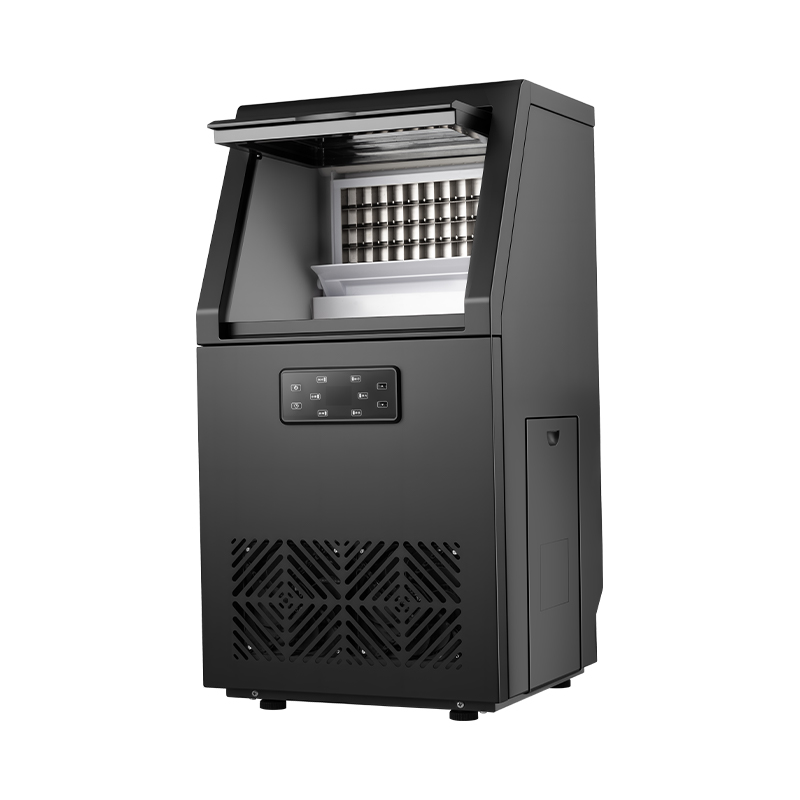
  3. Installation space and ventilation: Air-cooled models require clearance around the unit for airflow. Undercounter and built-in models have specific ventilation requirements that must be met for the machine to operate within its rated output range.
  4. Certifications for export markets: For North American distribution, NSF/ANSI 12 certification (food equipment safety) and ETL or UL listing (electrical safety) are the standard requirements. European markets require CE marking and RoHS compliance. Always request certification documentation from the supplier before finalizing procurement.
  5. OEM/ODM availability: Distributors and hospitality equipment companies sourcing at volume often require private-label configurations — custom cube size, control panel design, branding, or export packaging. Confirming that a manufacturer operates automated production lines is important for maintaining quality consistency across large orders.

Manufacturers specializing in commercial ice equipment and offering full OEM and ODM customization services provide procurement teams with the flexibility to configure units precisely for their market requirements, from output capacity to certification documentation — an important consideration for businesses building or scaling a product line around commercial ice solutions.

Conclusion: Performance Starts with Understanding the Cycle

A commercial cube ice maker works through a precise, repeating four-stage cycle — water fill, refrigeration freeze, hot-gas harvest, and automatic bin management. The quality of every cube it produces is a direct reflection of how well each stage is engineered: the conductivity of the evaporator, the stability of the refrigerant circuit, the responsiveness of the control system, and the insulation of the storage bin all contribute to the final result.

For buyers sourcing commercial ice equipment, the practical takeaway is straightforward: evaluate the refrigeration system components, verify the condenser type suits your installation environment, confirm water filtration provisions, and match daily output capacity to real operating conditions — not just nameplate figures. These criteria, combined with appropriate certification verification, are the foundation of a reliable long-term equipment investment.