Industry News Industry News
Home / News & Share / Industry News / How Does a Cube Ice Maker Work?

How Does a Cube Ice Maker Work?


How Does a Cube Ice Maker Work? The Direct Answer

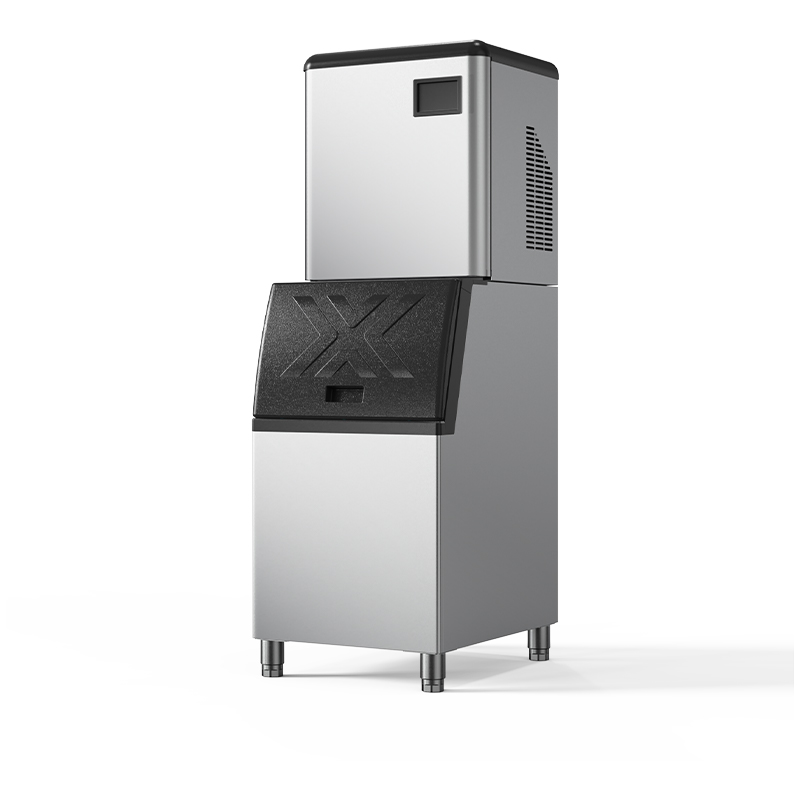
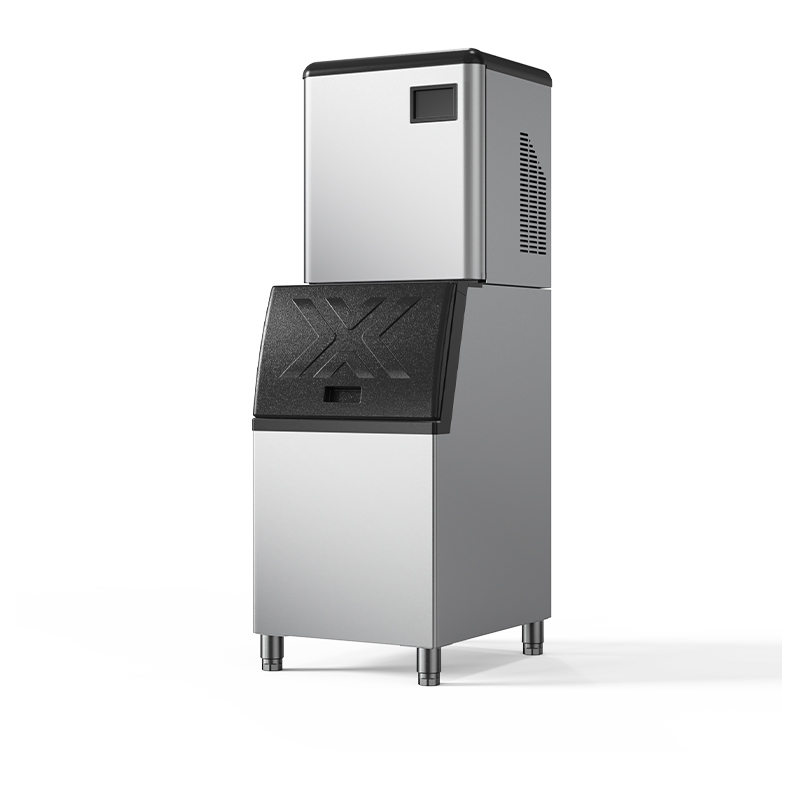
A cube ice maker works by circulating refrigerant through a sealed system to freeze water into dense, clear, square-shaped cubes. Water is pumped over a cold evaporator plate or grid, where it freezes in thin layers. Once the cubes reach the desired thickness, a harvest cycle activates — warm refrigerant briefly heats the evaporator to release the cubes, which then slide or fall into a storage bin below. This process repeats automatically, delivering a continuous supply of ice.

Unlike a standard freezer tray, a cube ice maker uses a layered freezing method that pushes air bubbles and dissolved minerals outward, resulting in ice that is harder, clearer, and slower to melt. This is why cube ice is widely preferred for beverages where dilution and appearance matter.

The Core Components Inside a Cube Ice Maker

Understanding the parts of a cube ice maker helps explain exactly why the ice it produces is so different from what a home freezer creates. Every unit — whether a compact countertop model or a large industrial cube ice machine — relies on the same fundamental components working together.

Refrigeration System

The heart of any cube ice maker is a vapor-compression refrigeration circuit consisting of a compressor, condenser, expansion valve, and evaporator. The compressor pressurizes refrigerant gas, the condenser releases heat to the outside air (or water, in water-cooled units), and the expansion valve drops the pressure so the refrigerant can absorb heat in the evaporator — chilling it to well below 0°C to freeze the water flowing over it.

Water Distribution System

A pump continuously circulates water from a reservoir over the evaporator surface. This gentle, even flow is what allows ice to build up in uniform layers rather than all at once. Any impurities that don't freeze are flushed away with the remaining water, which helps produce clearer, purer cubes.

Evaporator Grid or Plate

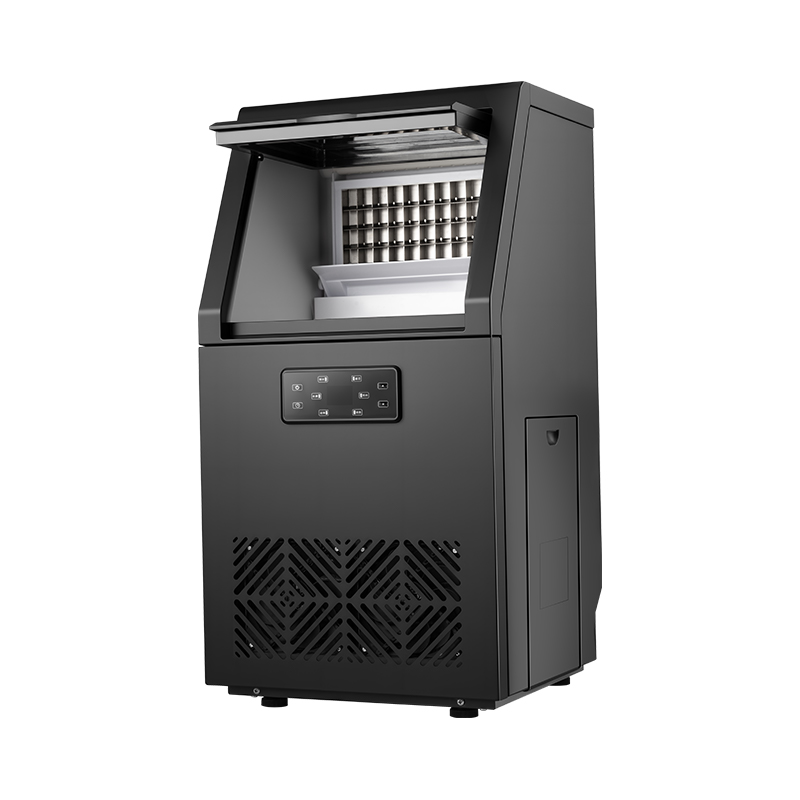
The evaporator is shaped into cube-sized cells or channels, which act as molds. Water flows over these cells and freezes layer by layer until full cubes form. The geometry of the evaporator directly determines the final size and shape of the ice.

Harvest Mechanism

Once the ice reaches the target thickness (monitored by a thickness sensor or timer), the machine enters the harvest cycle. Hot refrigerant gas is briefly redirected through the evaporator to warm its surface, releasing the cubes. They then fall by gravity — or are mechanically swept — into the storage bin.

Storage Bin and Sensors

A thermally insulated bin stores the harvested ice. A bin-full sensor detects when the storage capacity is reached and pauses production automatically. When ice is removed and space becomes available, the machine resumes the freeze cycle.

Step-by-Step: The Full Ice-Making Cycle

A complete cube ice making cycle can be broken into four clearly defined phases. In commercial-grade machines, this cycle typically repeats every 20 to 30 minutes per batch.

  1. Fill Phase: Fresh water enters the reservoir from a supply line or is manually added to the tank. The pump primes and circulates water to the evaporator.
  2. Freeze Phase: The compressor runs, chilling the evaporator. Water flows over the evaporator cells and begins to freeze, building up layer by layer. Air and impurities are pushed away from the growing ice surface.
  3. Harvest Phase: A sensor or timer signals that the cubes are ready. Hot gas bypasses the condenser and flows directly through the evaporator, slightly warming the surface. The cubes release and fall into the storage bin.
  4. Purge Phase: Remaining unfrozen water (which may contain concentrated minerals) is drained away. Fresh water enters for the next cycle, helping maintain ice clarity and machine hygiene.

Air-Cooled vs. Water-Cooled Cube Ice Makers

When choosing a cube ice maker, one of the first decisions is the cooling method. Both systems use the same refrigeration cycle internally, but differ in how heat is expelled from the condenser.

Air-Cooled vs. Water-Cooled Cube Ice Makers: Key Differences
Feature Air-Cooled Water-Cooled
Heat Removal Fan expels heat into surrounding air Water flow absorbs and carries heat away
Best Environment Well-ventilated, standard rooms Hot or enclosed spaces
Water Usage Low Higher (requires drain connection)
Installation Simple, widely applicable Requires water supply and drain lines
Common Use Restaurants, offices, home use Industrial plants, sealed environments

For most settings — restaurants, hotels, offices, and home kitchens — air-cooled cube ice makers are the practical default. They require only proper ventilation clearance (typically 4–6 inches around the unit) and a standard power connection. Water-cooled units offer an advantage in very hot or enclosed environments where expelling heat into the room is not feasible.

Why Cube Ice Is Different from Other Ice Types

Not all ice is equal. The shape, density, and clarity of ice affect both beverage quality and the efficiency of your ice-making operation. Here is how cube ice compares to the two most common alternatives:

  • Cube Ice: Dense, clear, and square. Freezes in layers so air and impurities are expelled. Melts slowly due to low surface area relative to volume. Ideal for cocktails, premium beverages, and anywhere drink dilution is a concern.
  • Bullet Ice: Hollow and cylindrical. Produced faster because the freezing process is simpler. Melts more quickly due to its shape and hollow core, which means faster dilution. Common in portable countertop units.
  • Flake Ice: Thin, irregular shavings formed by scraping water off a cylindrical drum. Melts fastest of all but conforms well to surfaces — making it ideal for seafood displays, medical cooling, and food preservation rather than beverages.

For commercial beverage service — bars, restaurants, hotels — cube ice is the professional standard precisely because it maintains drink temperature longer and looks visually appealing in glassware.

Commercial Cube Ice Maker Capacity: What the Numbers Mean

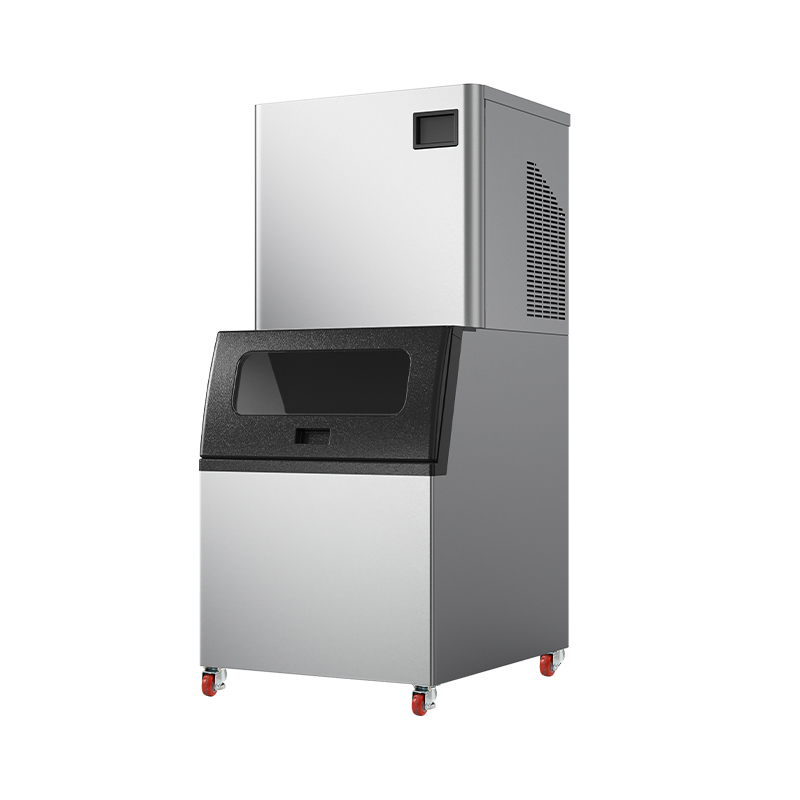
Industrial and commercial cube ice makers are rated by their daily production output in kilograms or tons. Choosing the right capacity is critical: an undersized machine runs continuously and still runs short, while an oversized one wastes energy. A commonly cited guideline is to size the machine to produce at least 20% more than your estimated peak daily need, to account for high-demand periods and ambient temperature variations.

For reference, cnicemaker.com offers a range of commercial cube ice machines spanning the following capacity tiers:

  • CV1000: 1 ton per day — suited for small cafes, convenience stores, or offices
  • CV2000: 2 tons per day — mid-size restaurants and hotels
  • CV3000: 3 tons per day — high-volume food service and event venues
  • CV5000: 5 tons per day — large-scale commercial operations
  • CV10000: 10 tons per day — industrial facilities and distribution centers

For operations requiring 20 tons or more per day, a full cube ice plant design is the appropriate solution — integrating the ice machine with cold storage rooms, RO water filtration systems, automatic packing machines, conveyors, and refrigerant transport vehicles into a single coordinated production line.

The Role of Water Quality in Cube Ice Production

Water quality directly affects both the clarity of ice and the long-term health of the machine. Hard water — water with high concentrations of dissolved calcium and magnesium — leads to mineral scale buildup on the evaporator, reducing heat transfer efficiency and ultimately lowering ice output. Over time, untreated hard water can also shorten compressor life.

High-output commercial cube ice makers typically pair with an RO (reverse osmosis) water filtration system to remove dissolved minerals and impurities before water enters the machine. This produces purer water, which results in clearer cubes, less scale accumulation, and reduced maintenance frequency. For large cube ice plants, RO filtration is standard equipment rather than an optional upgrade.

Practical Water Quality Tips

  • Install an inline water filter on any machine connected to a supply line.
  • Descale the evaporator and water distribution system on a scheduled basis — typically every 3 to 6 months depending on local water hardness.
  • Use an RO system for high-volume or premium applications where crystal-clear cube ice is required.
  • Monitor ice clarity as a quick visual indicator of water quality — cloudy cubes often signal elevated mineral content or a cleaning need.

Installation and Ventilation Requirements

Correct installation ensures a cube ice maker operates at rated capacity and has a long service life. Key requirements apply whether you are setting up a countertop unit or a full commercial machine.

Ventilation Clearance

Air-cooled units must expel heat through their condenser fan. Blocking airflow forces the compressor to work harder and can significantly reduce daily ice output. As a rule, leave at least 4–6 inches of clearance on all sides where vents are located. Never install an air-cooled machine in a sealed cabinet without a dedicated ventilation path.

Level Surface

All cube ice makers must be placed on a flat, level surface. If the machine is tilted, water will not flow evenly over the evaporator cells, producing unevenly formed or undersized cubes. Use a spirit level during installation and adjust the leveling feet as needed.

Ambient Temperature

Most air-cooled cube ice makers are rated for ambient temperatures between 10°C and 38°C (50°F–100°F). Operating outside this range — particularly in hot environments — reduces ice output. Avoid placing units in direct sunlight or adjacent to heat-generating equipment such as ovens or dishwashers.

Water and Drain Connections

Commercial cube ice makers with automatic water supply require a dedicated water inlet line and a floor drain for the purge cycle and meltwater. Verify that local water pressure falls within the machine's specified inlet range, typically 138–414 kPa (20–60 psi).

Maintenance: Keeping Your Cube Ice Maker Running Efficiently

A well-maintained cube ice maker produces consistent output, cleaner ice, and operates with lower energy consumption. Neglecting maintenance is the primary cause of reduced capacity, off-tasting ice, and premature component failure.

Routine Cleaning Schedule

  • Monthly: Wipe down the exterior, clean the storage bin with a food-safe sanitizer, and inspect the water inlet filter for debris.
  • Every 3–6 months: Run a full descaling cycle using an approved ice machine cleaner. Clean the condenser coils to remove dust and grease buildup.
  • Annually: Have a qualified technician inspect refrigerant levels, check electrical connections, and verify that sensors and controls are calibrated correctly.

Signs the Machine Needs Attention

  • Ice cubes are smaller than usual or have an unusual shape — often a sign of low refrigerant or a partially blocked evaporator.
  • Ice tastes or smells off — indicates mold or bacterial growth in the water path or storage bin.
  • Machine runs continuously without filling the bin — compressor, refrigerant, or sensor issue.
  • Visible scale deposits on the evaporator — mineral buildup reducing efficiency.