Industry News Industry News
Home / News & Share / Industry News / What is the best pellet ice machine?

What is the best pellet ice machine?


The Best Pellet Ice Machine: A Direct Answer Before the Deep Dive

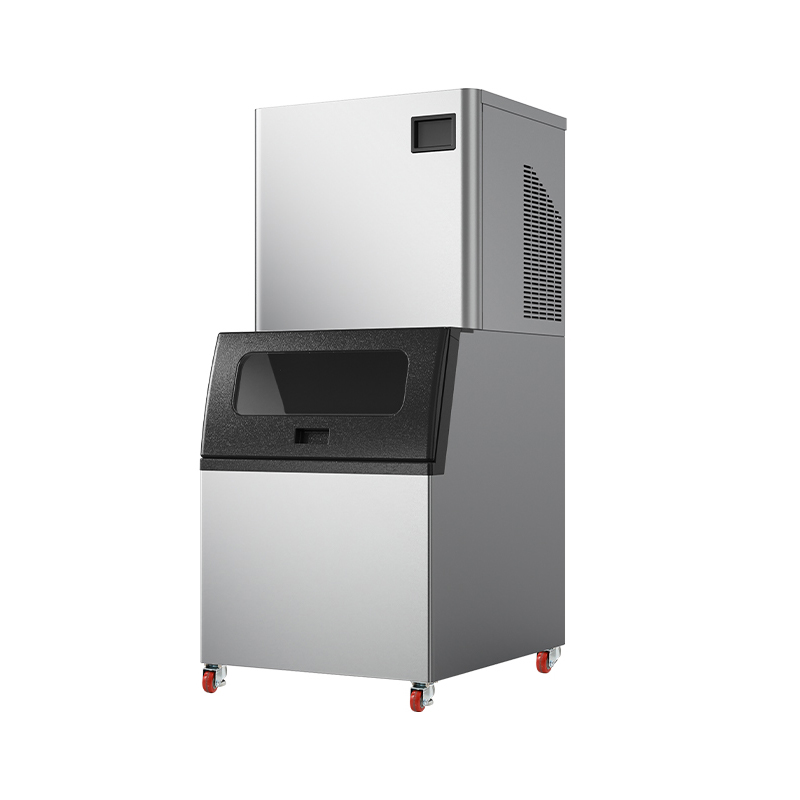
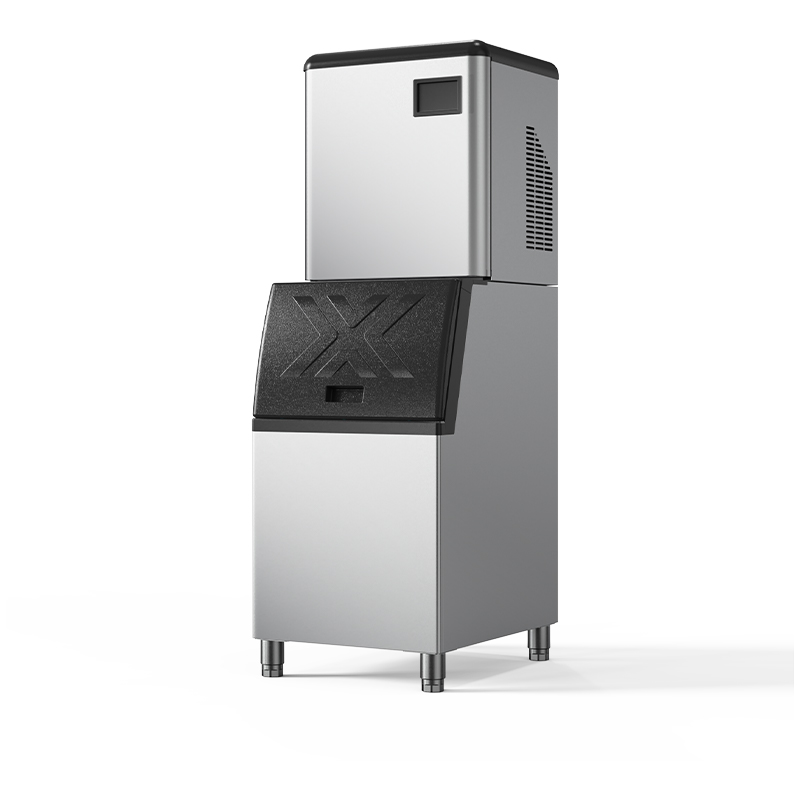
If you are looking for the best pellet ice machine, the answer depends on your scale of use — but for those who need consistent, high-volume, restaurant-quality chewable ice, a commercial-grade Extruded Pellet Ice Maker is the definitive choice. Unlike basic countertop units, a true extruded pellet ice maker uses an auger-driven extrusion system to continuously produce soft, porous, cylindrical ice pellets that cool drinks faster and deliver a satisfying chew that customers love.

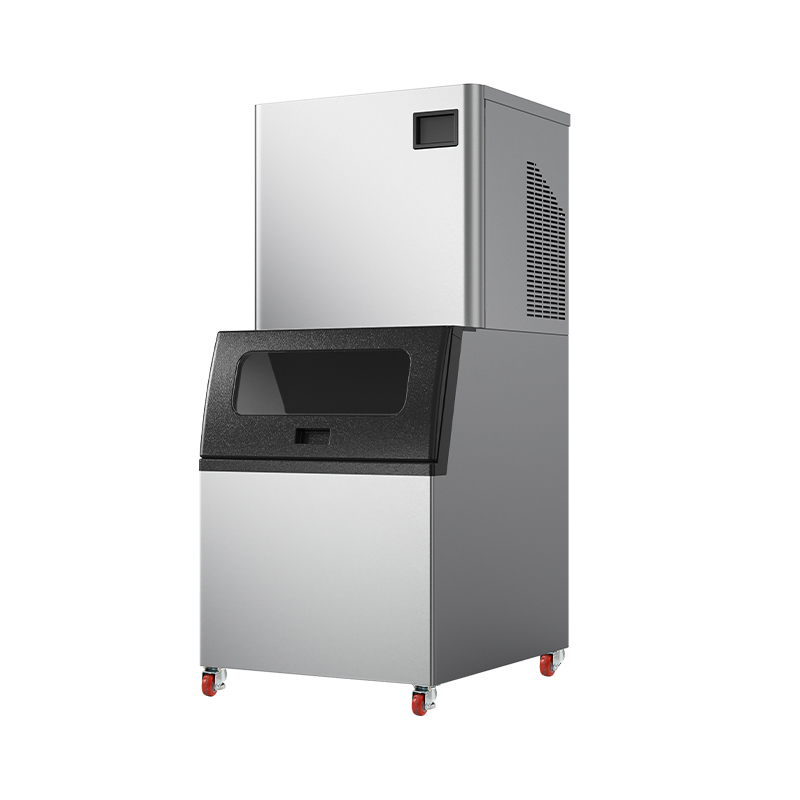
For home users, a countertop nugget ice maker producing 26–45 lbs per day may suffice. For restaurants, hospitals, convenience stores, and hotels, a commercial Extruded Pellet Ice Maker capable of 400 to 2,000+ lbs of ice per day is the standard. This article breaks down exactly what separates a great pellet ice machine from an average one — and what to look for when choosing the right unit for your needs.

What Is an Extruded Pellet Ice Maker and How Does It Work?

An Extruded Pellet Ice Maker is a specialized refrigeration appliance that produces nugget ice (also called pellet ice, sonic ice, or pebble ice) through a mechanical extrusion process — a fundamentally different method than standard cube ice machines.

Here is the step-by-step process inside a quality extruded pellet ice maker:

  1. Water flows into a chilled cylindrical evaporator, where it begins to freeze along the inner walls.
  2. A rotating auger (a large metal shaft, similar to a drill) scrapes thin sheets of ice from the cylinder walls, producing flake ice.
  3. The auger pushes those ice flakes upward and compresses them under pressure into a dense mass.
  4. The compressed ice is extruded through small holes at the top of the cylinder, forming soft cylindrical pellets.
  5. An inverted cone above the holes breaks the extruded ice semi-randomly into bite-sized nuggets, giving each piece its characteristic varied length.
  6. Finished pellets fall into an insulated storage bin; an infrared sensor shuts the machine off when the bin is full.

This continuous production process — as opposed to the batch-freeze method of cube ice machines — is what makes extruded pellet ice makers both highly efficient and more mechanically complex. The result is ice with a uniquely porous structure filled with tiny air pockets, which is why pellet ice chills drinks rapidly while absorbing their flavor, making every sip more satisfying.

Why Pellet Ice Is "The Good Ice": The Science of Superior Cooling

Pellet ice has earned its reputation as the preferred ice type in premium beverage service, healthcare, and hospitality. The reasons are rooted in its physical structure:

  • Greater surface area — The cylindrical, porous shape exposes more ice surface to liquid than a solid cube, enabling faster and more even cooling.
  • Flavor absorption — The air pockets inside each pellet soak up the flavors of the beverage, delivering a richer taste experience that solid cubes cannot replicate.
  • Soft, chewable texture — Because the ice is compacted from flakes rather than frozen as a solid block, it is significantly softer — making it safe and enjoyable for patients in healthcare settings who may have difficulty swallowing hard ice.
  • Minimal beverage dilution — Pellet ice melts more slowly relative to its cooling efficiency, keeping drinks cold longer without watering them down.

These properties explain why pellet ice is the standard choice in fast-casual restaurants, hospital patient care units, senior care facilities, school cafeterias, and hotel bars worldwide.

Key Specifications to Evaluate When Choosing the Best Extruded Pellet Ice Maker

Not all pellet ice machines are equal. When comparing commercial Extruded Pellet Ice Makers, focus on these critical specifications:

Daily Ice Production Capacity

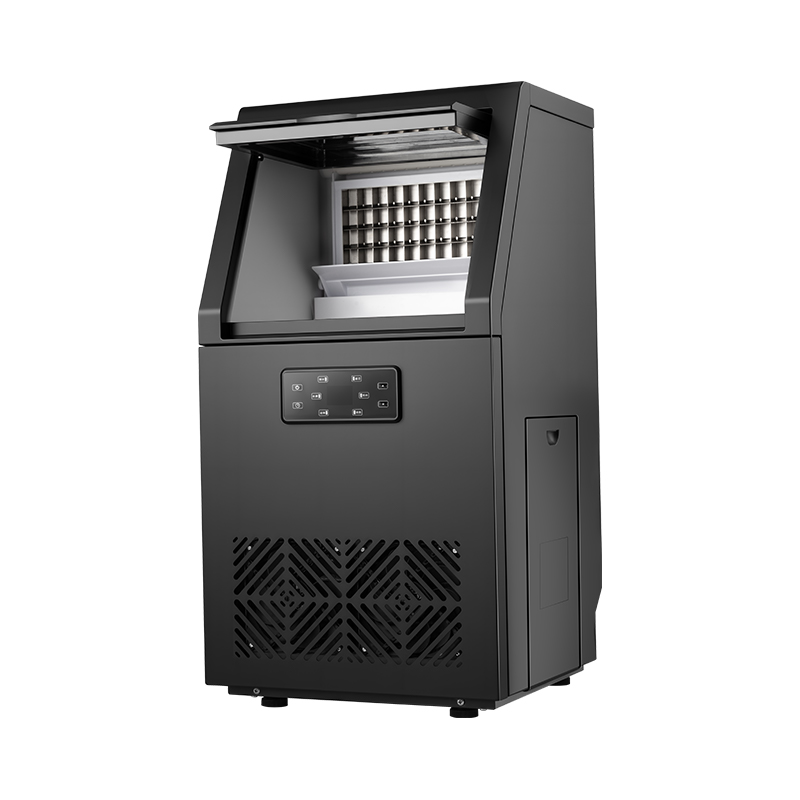
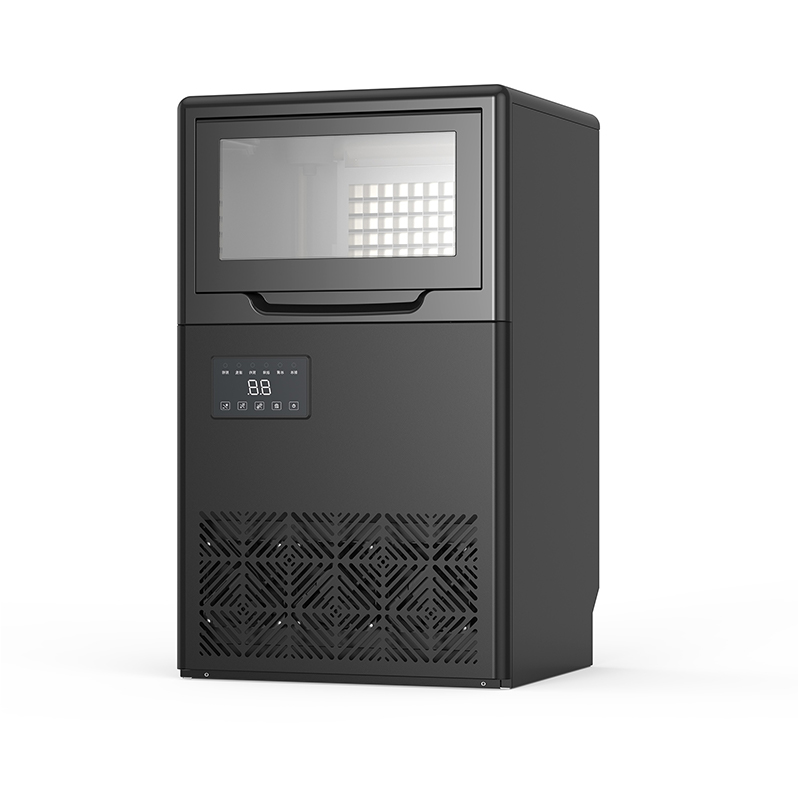
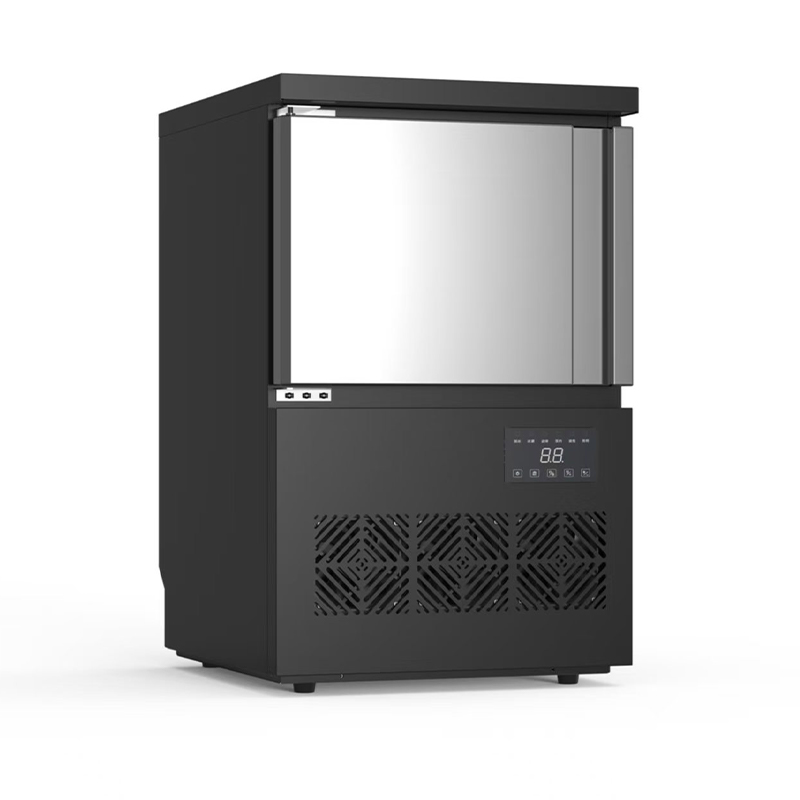
This is the single most important spec for commercial buyers. Commercial nugget ice machines can produce anywhere from 400 to over 2,000 lbs of ice per day, depending on model and configuration. Countertop units for home use typically produce 26–50 lbs per day. Undercounter commercial models generally range from 25 to 300 lbs per day. Match your machine's capacity to your peak daily demand — it is always better to have a slight surplus than to run short during a busy service period.

Cooling System: Air-Cooled vs. Water-Cooled

Air-cooled models are easier to install and more common in restaurants and offices, while water-cooled models perform better in hot or poorly ventilated environments. Air-cooled units require adequate clearance around the machine for heat dissipation — typically a minimum of 6 inches on all sides.

Storage Bin Capacity

A large storage bin reduces how often the machine cycles on and off, ensuring a steady supply of ice during peak demand. Commercial bins range from 22 lbs to over 500 lbs. Choose a bin capacity that can hold at least 50%–75% of your expected hourly peak demand.

Water Filtration and Ice Clarity

High-quality extruded pellet ice makers work best with filtered water. Using purified or filtered water reduces mineral scale buildup inside the evaporator cylinder — a leading cause of mechanical failure — and improves the taste and clarity of the finished ice.

Noise Level

Auger-driven machines have more moving parts than cube ice makers, which can translate to higher operational noise. Premium commercial models are engineered with advanced compressors and vibration dampening to keep noise levels low enough for open dining environments.

Self-Cleaning Function

Scale buildup inside the evaporator is the primary maintenance challenge for any extruded pellet ice maker. The best machines include an automated self-cleaning cycle that can be activated with a single button press, simplifying routine maintenance and extending the machine's service life.

Extruded Pellet Ice Maker vs. Cube Ice Machine: A Direct Comparison

Table 1: Key differences between extruded pellet ice makers and standard cube ice machines
Feature Extruded Pellet Ice Maker Cube Ice Machine
Ice Type Soft, porous, chewable pellets Hard, solid cubes
Production Method Continuous (auger extrusion) Batch (evaporator plate)
Cooling Speed Faster (larger surface area) Standard
Flavor Absorption High (porous structure) Low (solid surface)
Moving Parts More (auger, motor, extrusion nozzle) Fewer
Typical Commercial Cost $1,500 – $10,000+ $1,000 – $8,000+
Maintenance Frequency Every 6 months (professional) Every 6 months (professional)
Best For Restaurants, hospitals, hospitality, bars General foodservice, retail

Because extruded pellet ice makers involve more moving parts than cube machines, they typically cost 15%–20% more upfront and require disciplined maintenance schedules. However, the premium customer experience they deliver — and the higher beverage sales that often result — make them a worthwhile investment for any operation focused on quality.

Who Should Buy a Commercial Extruded Pellet Ice Maker?

A commercial Extruded Pellet Ice Maker is the best pellet ice machine choice for the following environments:

  • Restaurants and fast-casual dining — Pellet ice is the preferred format for fountain beverages and cocktails, helping justify premium pricing on drinks.
  • Hospitals and senior care facilities — The soft texture is safe for patients with dysphagia or difficulty swallowing, making it the clinical standard in many healthcare settings.
  • Hotels and hospitality — Guest satisfaction scores often improve when hotel bars and room service use high-quality chewable pellet ice.
  • Convenience stores and cafeterias — High-volume extruded pellet ice makers keep up with self-service fountain drink demand throughout peak hours.
  • Sports venues and entertainment spaces — Large-capacity machines can meet the surge demand of stadium concessions and event catering.

For home users who consume pellet ice daily, a countertop nugget ice maker in the 26–45 lb per day range is typically sufficient. For anyone operating a commercial food or beverage business, investing in a dedicated commercial Extruded Pellet Ice Maker will deliver a meaningful return through consistent quality, higher throughput, and reduced downtime.

Maintenance Tips to Keep Your Extruded Pellet Ice Maker Running Reliably

The auger-driven extrusion system is more mechanically intensive than a cube ice machine, which means maintenance cannot be an afterthought. Neglecting cleaning and maintenance is the leading cause of premature failure in commercial pellet ice machines. Follow these best practices:

Clean the Evaporator and Auger Every 6 Months

Scale buildup inside the cylindrical evaporator gradually reduces ice production efficiency and, left unchecked, can cause the auger motor to overload and fail. Schedule a professional deep cleaning every six months, or more frequently in areas with hard water.

Replace Water Filters on Schedule

A quality water filter significantly reduces the mineral content entering the machine, slowing scale accumulation and improving ice taste. Most manufacturers recommend replacing filters every 6 months or after every 2,000 gallons of water processed, whichever comes first.

Inspect the Auger, Seals, and Sensors Regularly

Check the auger for signs of wear, inspect shaft seals for leaks, and test the infrared bin-full sensor to ensure it trips correctly. Replacing worn components promptly avoids costly unplanned downtime.

Use the Self-Cleaning Cycle Weekly

Most commercial Extruded Pellet Ice Makers include an automated self-cleaning function. Running this cycle weekly keeps the internal water pathways clear of biofilm and light mineral deposits between professional service visits.

Ensure Adequate Ventilation

Air-cooled models must have sufficient airflow around the condenser to operate efficiently. Restricted airflow causes the compressor to work harder, increases energy consumption, and shortens the machine's service life. Always maintain the clearance distances specified in your machine's installation manual.

CNicemaker's Extruded Pellet Ice Maker: Industrial Expertise for Commercial Demand

For buyers sourcing commercial-grade equipment, CNicemaker (cnicemaker.com) is a professional manufacturer specializing in commercial and industrial ice-making solutions, including dedicated Extruded Pellet Ice Maker models engineered for high-volume, continuous-duty operation.

CNicemaker's pellet ice maker lineup is built with the following priorities in mind:

  • Heavy-duty auger and extrusion systems designed for round-the-clock commercial operation, reducing the risk of mechanical fatigue common in lighter-duty machines.
  • Food-grade stainless steel construction throughout all ice-contact surfaces, meeting the sanitation requirements of commercial foodservice environments.
  • Scalable production capacities to match the demands of small cafés, high-volume restaurants, institutional cafeterias, and large hospitality operations.
  • OEM and custom configuration options, making CNicemaker a practical partner for businesses with specific installation constraints or branding requirements.
  • Energy-efficient refrigeration systems that balance output volume with operating cost — a critical factor for any business running an ice machine continuously throughout the day.

Whether you are outfitting a new commercial kitchen, upgrading an aging ice machine, or sourcing equipment for a large-scale hospitality project, CNicemaker's Extruded Pellet Ice Maker range offers the combination of production reliability, build quality, and manufacturer support that commercial buyers need.

Final Checklist: How to Choose the Best Pellet Ice Machine for Your Needs

Use this practical checklist before making your purchase decision:

  1. Calculate your daily ice demand — Estimate the pounds of ice your operation needs per day at peak, then add a 20%–30% buffer to account for warm weather surges and high-traffic periods.
  2. Choose the right form factor — Countertop for home or light office use; undercounter for space-conscious commercial kitchens; freestanding high-capacity units for restaurants and institutions.
  3. Decide between air-cooled and water-cooled — Air-cooled models are easier to install; water-cooled models work better in hot, enclosed spaces.
  4. Verify water supply and drainage requirements — Commercial extruded pellet ice makers require a dedicated water line and drain connection; confirm your installation location supports both.
  5. Confirm certifications — For commercial foodservice, look for NSF/ANSI certification on all ice-contact components and Energy Star qualification where relevant.
  6. Budget for total cost of ownership — Factor in water filter replacements, professional cleaning visits (every 6 months), and potential auger or seal replacements over a 5–10 year horizon, not just the upfront purchase price.
  7. Confirm manufacturer support — Choose a manufacturer or supplier that offers readily available spare parts, technical support, and a clear warranty policy.

The best pellet ice machine is the one that reliably produces the volume and quality of ice your operation demands, day after day, year after year. For commercial buyers, that almost always means a purpose-built Extruded Pellet Ice Maker from a specialist manufacturer — not a consumer-grade appliance that will struggle to keep up with professional demand.